
National
Legacy of ‘First Lady of the Black Press’ Still Relevant Today


Ethel Payne
By Jazelle Hunt
NNPA Washington Correspondent
WASHINGTON (NNPA) – When James McGrath Morris set out to write his latest book, he didn’t know how timely it would be. When Eye on the Struggle: Ethel Payne, The First Lady of the Black Press hit shelves, Essence magazine had just released its Black Lives Matter issue. The Justice Department had closed its investigation into Trayvon Martin’s murder, with no charges. Mainstream media was scrambling to report on police violence and systemic racial ills, and Black Americans took much of this coverage to task for its racist, shallow, or negligent portrayals.
“We get these events filtered through the mainstream media. The mainstream media is still very White. I don’t mean they don’t hire people of color…it’s a perspective issue. The fact the media had a debate over the use of the word ‘terrorist’ [for Dylann Roof] in South Carolina is an indication,” said Morris.
“So what I found is that Ethel Payne’s story, her perspective, her form of journalism 50 years ago, still has relevance today. Because while we may have made leaps in terms of segregation…the dominant filter today remains a White-controlled media.”
Ethel Payne was poking holes in that filter at a time when the White majority fought against the tide of sustained agitation to secure civil and human rights for all. At the Chicago Defender, Payne was the eyes and ears of the Civil Rights Movement, reporting from its front lines in the Deep South, press conferences at the White House, and iconic rulings at the Supreme Court. In 1953, she became the third Black person to join the White House Press Corps, and was known for persistently prodding President Dwight D. Eisenhower on Jim Crow laws and desegregation efforts.
In the ’50s and ’60s, she jetted around the globe for international stories such as Black soldiers in Vietnam and the Nigerian Civil War, becoming the first Black woman to be a fulltime foreign correspondent. Yet, she always returned for on-the-ground coverage of moments that would become history, like the start of the Montgomery bus boycott and the desegregation of Little Rock, Ark.’s Central High School.
In 1972, Payne joined CBS and became the first Black woman commentator at a major network. In 2002, she was memorialized on a postage stamp.
With 40 years of tireless journalism and a legacy honed at a Black-owned newspaper, Payne earned her reputation as the “First Lady of the Black Press.”
“When The New York Times or The Washington Post would report on the passage of the Civil Rights Act of ‘64 or the Voting Rights Act of ‘65, the tone of the articles was that these were munificent gifts being given to a disenfranchised people,” Morris said.
“Whereas, if you opened up the Afro American or the Pittsburgh Courier or Chicago Defender, what you were seeing was coverage of the fact that these were victories, hard-won victories by people who laid their lives on the line. Nothing was being given. In fact, [Payne’s] coverage often highlighted the inadequacies of these pieces of legislation.”
In the early ‘70s, Ernest Green, a member of the Little Rock Nine, made a quip to Payne about what desegregation would do to such coverage.
“He said to her that the successes she and others made with the Civil Rights Movement were going to put the Black Press out of business. Obviously, that was too strong of a determination, because there’s still a viable Black press, but his bigger point was right in that the White media was going to raid the Black press for the best reporters, offer them jobs at much higher pay. And if you’re raising a family, what are you going to do?” Morris recounted.
“Many of the best reporters were lured away. But also, importantly, the economic basis of the Black press was undercut. Because when the White press refused to cover Black communities – high school tournaments, weddings, graduations, obituaries – there was an economic reason for [Black papers].”
Further, another side effect of integration and the Civil Rights Movement is that subsequent generations do not get a thorough and true education on Black history, or how the Movement happened. Payne said as much at a speaking engagement at her childhood church, [Greater] St. John A.ME. Church.
“She told her audience that, ours was a generation who laid their lives on the line to send our kids to college, but in doing so forgot to tell them our story. I like to expand that…we tend to teach the Civil Rights Movement focused on its leadership,” he said.
“Ethel Payne was part of the lesser-known group, she’s in the second, third tier of the Civil Rights Movement. I see younger people…waiting for somebody else to come and lead them. But these movements come from everyday people.”
Morris, a former journalist who also taught high school history for a decade, has been writing biographies and narrative nonfiction for many years. In searching for a new subject, he stumbled upon Payne’s name, which was unknown to him at the time. With a little more research, he was startled to find that few historians had taken a deep look at her contributions to journalism and the Civil Rights Movement.
“For me, [this book] has been the greatest experience of my life. It’s been really an honor, for me as an author, to do a book that matters,” Morris said. “I’ve had the privilege of learning that race really matters, but I didn’t know it because I was able to stay removed from it. That, to my mind, is Ethel Payne’s gift to me.”
Payne’s personal papers and journals are housed in Washington, D.C. with the Library of Congress’ Manuscript Division and the Moorland-Spingarn Research Center at Howard University, and in New York at the Schomburg Center for Research in Black Culture.
Eye on the Struggle: Ethel Payne, The First Lady of the Black Press is available at major book retailers. Signed copies can be purchased via www.jamesmcgrathmorris.com/eyeonstruggle.html.
“She went as a reporter to the front lines of the Civil Rights Movement…to report back to African Americans…to activate them,” Morris said. “The more people learn about Ethel Payne, I think they too will feel a sense of power.”









Business
Longtime BWOPA Member Brendalyn Goodall Appointed to California Workforce Development Board
Gov. Gavin Newsom has appointed longtime Black Women Organized for Political Action (BWOPA) member Brendalynn Goodall to the California Workforce Development Board. Goodall, an Oakland resident with decades of experience in public service, has held leadership positions focused on

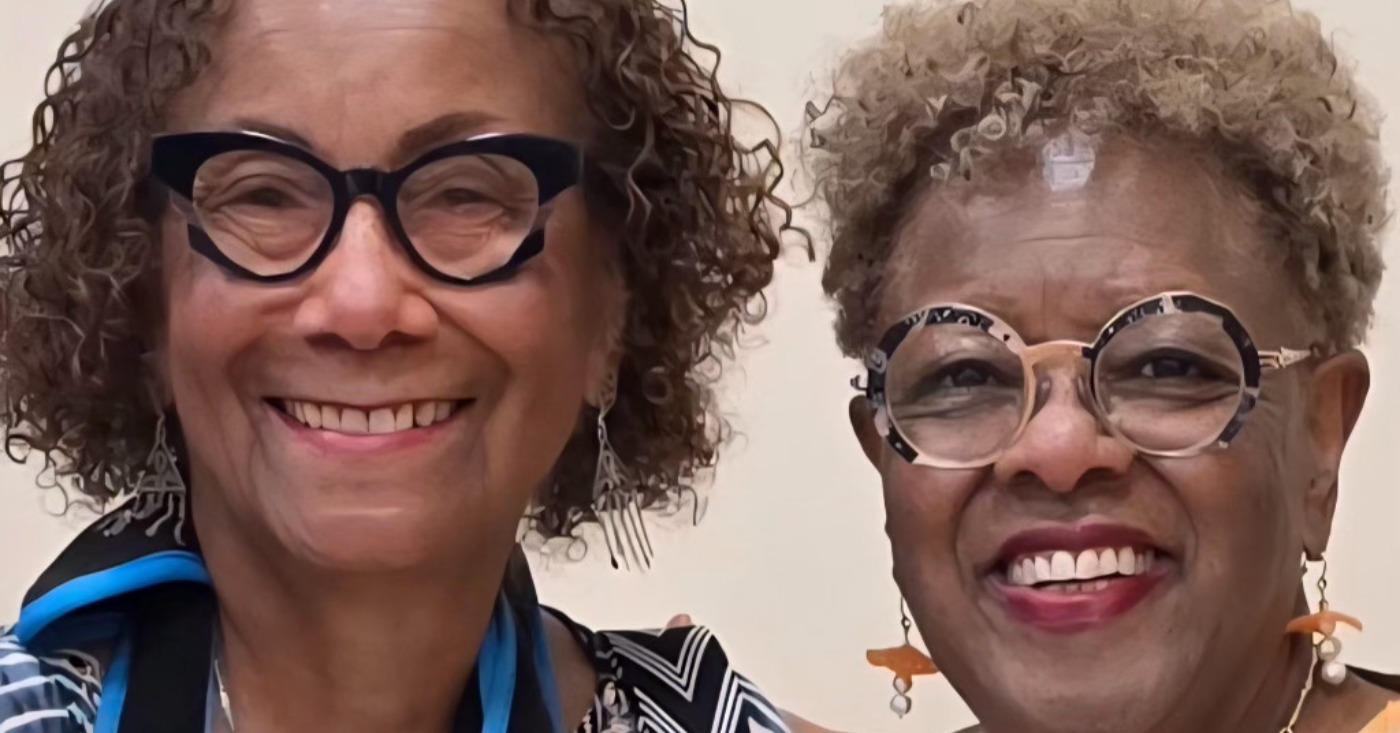
Gov. Gavin Newsom has appointed longtime Black Women Organized for Political Action (BWOPA) member Brendalynn Goodall to the California Workforce Development Board.
Goodall, an Oakland resident with decades of experience in public service, has held leadership positions focused on employment, aging services and assistance for underserved communities.
“Brendalynn will be a great addition to this Board,” said Gay Plair Cobb, who served as former state Assemblyman Sandre Swanson’s alternate to the California Workforce Development Board (CWDB).
“She understands that California’s non-profit organizations serve persons who have the most significant barriers to their labor market success and that the Board should help these groups navigate the complicated requirements of state funding.
“In other words, she will be a strong advocate for our most marginalized populations. Her voice is needed now, more than ever.”
CWDB works with the governor to shape workforce policies, programs and investments designed to strengthen the state’s economy. It collaborates with employers, workers, labor organizations, educational institutions, community groups and California’s 45 local workforce development boards to expand access to quality jobs and respond to regional employment needs.
According to the board, its work includes coordinating state programs and guiding investments in workforce training and development.
BWOPA California celebrated the appointment, describing Goodall as a dedicated advocate for workers, families and older adults.
“Her appointment reflects a lifetime of leadership, service, and unwavering commitment to strengthening California’s workforce and expanding opportunity for all,” the organization stated in a press release.
Goodall served as summer jobs program coordinator in the Oakland Mayor’s Office from 2012 to 2014. In that position, she helped connect young people with employment opportunities and job experience.
Before joining the Mayor’s Office, Goodall was division manager for Aging and Adult Services in the City of Oakland Human Services Department from 2002 to 2011. She previously served as senior services supervisor and program director for the city’s Department of Aging, Health and Human Services from 1990 to 2002.
Goodall is also a member of the California Commission on Aging, which advises the governor and state officials on policies and programs affecting older Californians.

Black History
Jackie Wright Champions Bay Area Stories, Filmmakers and Cultural Institutions
As an award-winning communications professional, Wright has worked with corporations, nonprofits, government agencies, educational institutions, artists, and community organizations. In 2026, she expanded that work by launching an introductory public relations class for small businesses and nonprofits, offering practical tools for gaining visibility, shaping messages and building productive relationships with the media.
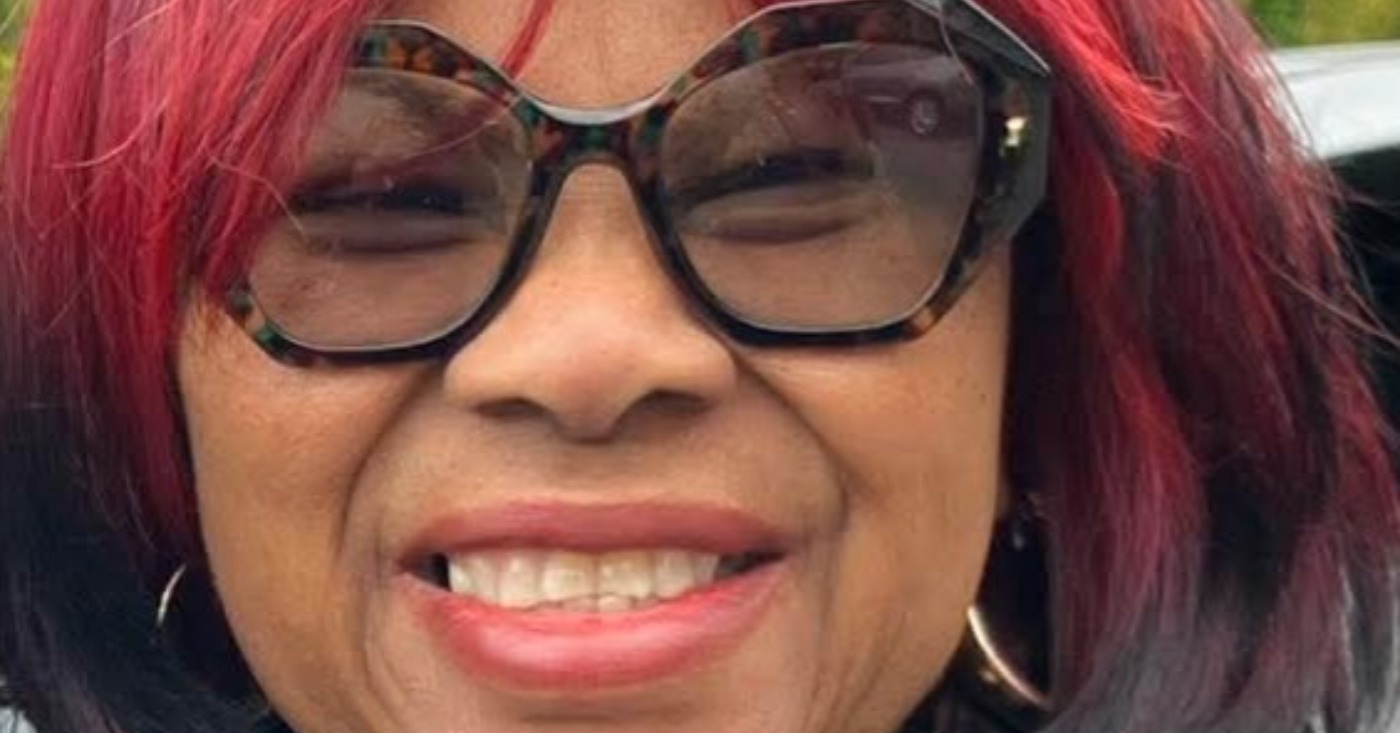
Jackie Wright has spent more than two decades helping people, organizations and communities understand the power of a well-told story.
As founder and president of Wright Enterprises, a San Francisco-based strategic communications and public affairs firm, Wright has built a career spanning journalism, public relations, media relations, crisis communications, community engagement and multimedia storytelling.
As an award-winning communications professional, Wright has worked with corporations, nonprofits, government agencies, educational institutions, artists, and community organizations. In 2026, she expanded that work by launching an introductory public relations class for small businesses and nonprofits, offering practical tools for gaining visibility, shaping messages and building productive relationships with the media.
Wright’s commitment to storytelling is also deeply personal. She wrote and co-directed the 15-minute documentary, “Love Separated in Life…Love Reunited in Honor,” which chronicles the story of her parents, Specialist Five (S5 Wyley Wright Jr. and Ouida Fay McClendon Wright. Her father, a U.S. Army helicopter crew chief, died in Vietnam in 1964 while serving as an honor guard during a visit by then-Secretary of Defense Robert McNamara. Decades later, Wright and her siblings had their father exhumed from a segregated cemetery in Jacksonville, Florida, and their mother moved from her burial place in Georgia so the couple could be reunited at Arlington National Cemetery in 2014.
The family journey later took Wright and her sister to Vietnam, where they discovered the former military compound that had been named in honor of their father and another fallen soldier. The documentary, centered on love, war, family, racial understanding, and remembrance, earned festival recognition at screenings.
“It was quite an honor to learn about my family’s history and share it on film,” said Wright.
That filmmaking experience complements Wright’s longstanding advocacy for independent cinema. She has served as a media partner and brand ambassador for Bay Area film festivals, including the San Francisco Black Film Festival, Oakland International Film Festival, and the Durban International Film Festival in South Africa.
“It’s important to help filmmakers and underrepresented stories reach broader audiences,” said Wright.
Whether promoting a neighborhood organization, championing an independent filmmaker or preserving her own family history, Wright has remained consistent. Through Wright Enterprises, she has turned communications into both a profession and a form of community service, telling stories that might otherwise go unheard.
“Our stories are an integral part of our history, and our history is not only American history, but worldwide,” she said.
Business
Chef Sharon Lee Blends Culinary Excellence, Education and Empowerment
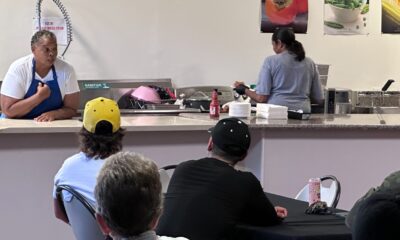
Lee’s professional training took her to New Orleans, where she worked at Restaurant August and expanded her knowledge of Cajun, Creole, and French cuisine under the guidance of internationally recognized chef John Besh. When she returned to San Francisco, Lee was part of the kitchen staff that helped reopen the remodeled Cliff House at Ocean Beach.
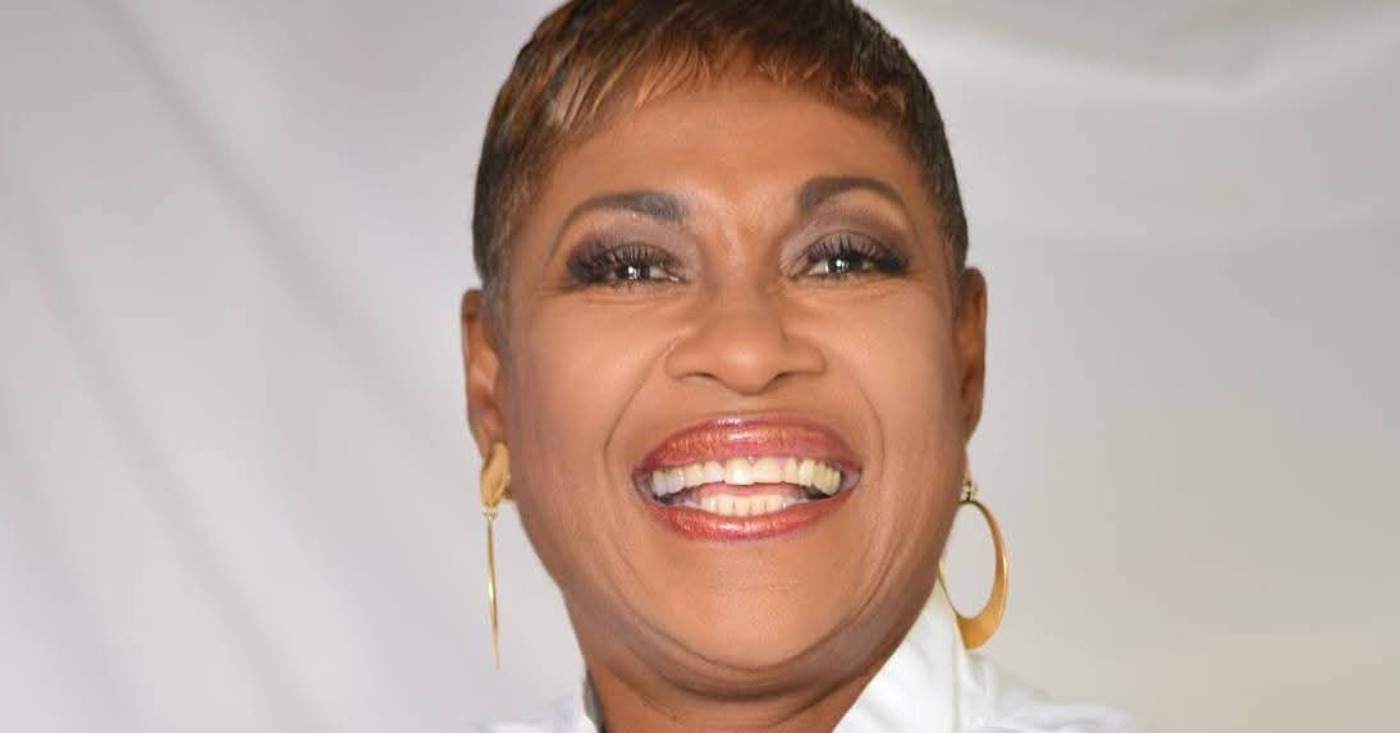
For Chef Sharon Lee, the kitchen has never been just a place to prepare meals. It has been a classroom, a workplace, a training ground and a doorway to opportunity.
The San Francisco chef, culinary educator and owner of The Spot! Fine Catering Services has spent more than two decades building a career that blends professional cooking with community service.
Now, Lee is expanding that mission through culinary workforce training and plans to launch a culinary academy that would provide underserved youth and adults with a pathway into the food and hospitality industries. Lee’s passion for cooking began in her mother’s kitchen; however, she built a thriving barbering business before graduating from the California Culinary Academy in San Francisco, where she completed the Cordon Bleu program with an associate degree in operations.
“At some point I wanted to try something new, and I have wonderful memories of helping my mother in the kitchen,” said Lee.
Lee’s professional training took her to New Orleans, where she worked at Restaurant August and expanded her knowledge of Cajun, Creole, and French cuisine under the guidance of internationally recognized chef John Besh. When she returned to San Francisco, Lee was part of the kitchen staff that helped reopen the remodeled Cliff House at Ocean Beach.
Those experiences helped shape the culinary style she later brought to The Spot! Fine Catering Services, which she founded in 2003.
“I have cooking specialties, but I can also cook Italian, soul food, and many foods inspired by different cultures.”
Along the way, Lee strengthened her business and operational skills by working with Paula LeDuc Fine Catering and Levy Restaurants, as well as venues such as the Oakland Arena and Coliseum, Chase Center, and Moscone Convention Center.
As a culinary department head with the San Francisco Unified School District, she directed enrichment programming for high school juniors and seniors, designing curriculum, field trips and health education seminars. She also created a pilot culinary and nutrition program through the University of San Francisco’s Upward Bound Program, teaching college-bound students healthy cooking through a garden-to-table model.
Her community work has included youth culinary education through Big Moma House, food safety and kitchen fundamentals through the Holiday Apron & Hat Program, reentry and job-readiness training through Black Owned Project 365, and culinary instruction for formerly incarcerated men through the Black Cultural Zone in East Oakland.
In her spare time, Lee enjoys feeding her friends, family, and the homeless in the community.
Lee also hosts culinary cohorts to help underserved participants develop practical skills needed to enter the workforce as prep cooks.
Her long-term vision is to build a culinary academy that brings those experiences together under one roof. Lee wants the academy to provide students with more than cooking lessons. Her goal is to teach employable skills, discipline, confidence, and the business knowledge needed to move from an entry-level kitchen position into careers in catering, hospitality, food service management, or entrepreneurship.
For Lee, the recipe is simple.
“It’s all about the next generation and making sure they have the skills and a level of preparation to build a viable career, a good life, and always help others on your journey,” she said.
Chef Sharon Lee will be a guest vendor at the 11th Annual Black-Eyed Pea Festival on Sept. 12 with the Freedom Farmer’s Market at 4521 Telegraph Ave. in Oakland from 9 a.m. to 2 p.m.


Longtime BWOPA Member Brendalyn Goodall Appointed to California Workforce Development Board

Jackie Wright Champions Bay Area Stories, Filmmakers and Cultural Institutions

Chef Sharon Lee Blends Culinary Excellence, Education and Empowerment

‘Passing a Law Isn’t The Finish Line’: California Assembly Evaluates Implementation, Results

OPINION: Angie Nixon Will Turn You Into a Democratic Socialist If Donald Trump Hasn’t Already

Gov. Newsom Signs Law Shielding Immigration Aid Workers From Doxing Threats

BOOK REVIEW: Every Inch of a Lady

Big City Mayors Ask for “Yes” Vote on Housing Bond Measure; Conservatives Say “No”

Madeline M. Turner: The Inventor Who Made Juicing Easier

Gubernatorial Candidate Steve Hilton Blasts California New Tire Rules; Newsom Hits Back

Frontier Airlines’ Return to Oakland Airport Brings Flights, Jobs and Opportunity

Secretary of State Shirley N. Weber Urges Californians to Vote Early as Voter ID Battle Intensifies

Gov. Newsom’s Latest Appointees Include Sacramento Advocate for Formerly Incarcerated Students; State’s New Tech Chief

Oakland Coliseum Project Opens Door for Small Businesses to Build Bigger

Youth-Led Black August Event Brings Past to Present at East Oakland Boxing Association

Department of Homeland Security Demands California Secretary of State Shirley N. Weber Scrub Voter Rolls

New Judge Could Decide if Karmelo Anthony Gets a New Trial

Oakland Children’s Hospital Workers and Patients Rally for Pediatric Medical Care

“The Power to See Threats Sooner”: Gov. Newsom, Safety Officials Showcase California’s Investments in Hi-Tech Wildfire Prevention

Alpha Kappa Alpha Sorority, Inc. Celebrates New North Atlantic Regional Director

Surveillance Pricing Fight: State Senate Debates Bill Banning Retailers from Using AI to Set Prices Based on a Buyer’s Profile

Mount Zion MBC, Church of Jesus Christ of Latter-day Saints Partner to Bring 29,000 Meals to Alameda County

California Sen. Padilla Joins Colleagues to Introduce Bill Imposing Term Limits on Supreme Court Justices

Less Affluent School Districts, Including Sacramento City, Face Threat of State Takeover

Car Wash Workers Cope with Lingering Impacts of ICE Raids

Starting This Summer, California Car Buyers Can Get an Instant $3500 Off the Cost of Electric Vehicles

COMMENTARY: You Are Already Paying for the AI Boom

California Bill Would Let Abuse Victims Use Trauma as Legal Defense for Violent Crime

Fed Court to Decide Landmark First Amendment Case

Oakland Celebrates $125 Million Coliseum Sale

The Conversation With Al McFarlane 6/23/26

Media Monday 6/22/26

LIVE! ASK ALMA! — TUES. 6.23.26 7PM EST

Car Buying Secrets: 4 Hidden Checks Before You Sign!

Is This 550 HP Charger Worth YOUR Money? AutoNetwork Review

Celebrating Juneteenth – Frederick Douglass on education and resistance

LIVE! — ASK ALMA! — TUES. 6.19.26 7PM EST

Hyundai Ioniq 5 Parking, Safety, and 360 View #shorts

2025 Ioniq 5 New Wiper & Powerful Performance! #shorts

Electric SUV Range: Is 259 Miles Enough? #shorts

EV Charging: How Fast Can You Charge an Electric Vehicle? #shorts

Biometric Cooling… Messaging Seats…Come on! 2025 Infiniti QX80 Autograph 4WD

Charged Up: Witness the Magic of a Fully Electric Car! #shorts

Range Rover Sport PHEV Included…: See What’s Inside This Luxury SUV! #shorts

Invisible Hood View: Perfect Parking with X-Ray Vision! #shorts
-
 Featured3 weeks ago
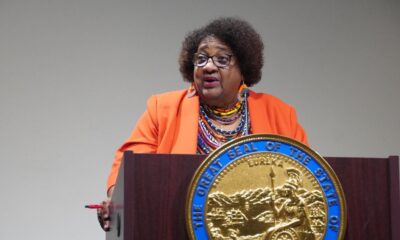
Department of Homeland Security Demands California Secretary of State Shirley N. Weber Scrub Voter Rolls
-
 Environment3 weeks ago
“The Power to See Threats Sooner”: Gov. Newsom, Safety Officials Showcase California’s Investments in Hi-Tech Wildfire Prevention
-
 Black History4 weeks ago
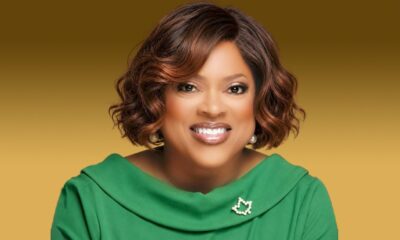
Alpha Kappa Alpha Sorority, Inc. Celebrates New North Atlantic Regional Director
-
 Featured3 weeks ago
California Sen. Padilla Joins Colleagues to Introduce Bill Imposing Term Limits on Supreme Court Justices
-
 Community2 weeks ago
Less Affluent School Districts, Including Sacramento City, Face Threat of State Takeover
-
 Business3 weeks ago
Car Wash Workers Cope with Lingering Impacts of ICE Raids
-

 Community3 weeks ago
As Part of Your Back-to- School Checklist, Vaccinate
-
 Commentary2 weeks ago
ESSAY: California Can Close Its Colorectal Cancer Gap
