
HBCU
A Series On Health Equity: The Black Church and HBCUs
NEW JOURNAL AND GUIDE — A new minority health initiative sponsored by Providential Credit Care Management, Inc./KareVan aims to educate, inform and impact health disparities among African Americans in the Hampton Roads area. It is in partnership with Norfolk State University Center of Excellence for Minority Health Disparities, Social Innovators Design Group, and the New Journal and Guide.

By New Journal and Guide
#1: Epilepsy and Seizure Disorders Among African-Americans
A new minority health initiative sponsored by Providential Credit Care Management, Inc./KareVan aims to educate, inform and impact health disparities among African Americans in the Hampton Roads area. It is in partnership with Norfolk State University Center of Excellence for Minority Health Disparities, Social Innovators Design Group, and the New Journal and Guide.

Dr. Steve Owens, Vice President of Programs and Services at the Epilepsy Foundation
On Saturday, April 20, Dr. Steve Owens, Senior Vice President, Programs and Services, Epilepsy Foundation, will be the guest speaker at the NSU Center of Excellence where he will address the topic of epilepsy.
The program is free and open to the public and will feature health policy experts and advocates as presenters.
The event is 9:00 a.m. to 1:00 p.m. with registration and a continental breakfast at 8:30 a.m. The Center is located in the Nursing Education Building on the NSU campus.
Following is an interview with Dr. Cynthia Burwell, who heads the NSU Center of Excellence.
Q1: Dr. Burwell, please tell us about the Center of Excellence at Norfolk State University? And what and how does it relate to the importance of health equity?
A1: The Center of Excellence for Minority Health Disparities was developed five years ago as one of Norfolk State University’s strategic initiatives in its Six Year Strategic Plan to help promote health equity and eliminate health disparities. Using the Community-Based Participation Research model, this work includes collaborative research and programming with various community-based health organizations across Hampton Roads and the Commonwealth of Virginia.
In support of The Center’s commitment to reducing health disparities in Hampton Roads and surrounding areas through research, service, and education, five primary strategic goals have been created. These goals focus on increasing The Center’s infrastructure and capacity to conduct research, engage communities, collaborate with key partners, and provide educational opportunities to communities of underserved, underrepresented, and minority populations. The Center is important to providing educational opportunities in order to help reduce health disparities.
Q2: What is the significance of our HBCU in the furtherance of improved Black Health?
A2: It is significant that HBCUs continue to provide the leadership needed in training students to become future healthcare providers. We know that there will be a shortage of minority healthcare professionals in the future and we need to be in the forefront in helping students become the next generation of healthcare professionals to help meet the needs of the community.
Q3: So what about epilepsy and seizure disorders that relate to overall health of African Americans, and why should we all gather at our “Communityveristy” NSU next Saturday morning, April 20? And please tell us about your involvement with Healthy Churches 2020.
A3: According to the literature many social factors have been identified as key drivers of epilepsy care, outcomes, and disparities, but there is a limited understanding of what these factors are and how they translate into disparities.
Key social determinants of health in epilepsy include socioeconomic status, race/ethnicity, age, and gender. For example, low socioeconomic status and minority status have been associated with a higher risk of epilepsy, more hospitalizations and emergency room visits (versus neurology services), and a lower rate of epilepsy surgery.
Such differences in care/treatment and outcomes translate into health disparities, many of which are considered unjust (inequitable) and modifiable through social action.
It’s important that we gather people from the community together to discuss these issues and educate members of the community about epilepsy.
The Center has been involved with the Healthy Churches 2020 conference through the establishment of the Health Churches Coalition of Hampton Roads. This has provided us with the opportunity to educate health ministry leaders about health issues that need to be improved in our community.
Q4: Dr. Steve Owens is the keynote speaker in the morning. Why are you so excited about having our esteemed brother and expert to be with us?
A4: Dr. Steve Owens is the Senior Vice President of Programs and Services with the Epilepsy Foundation, and he is going to be our keynote speaker at the “Faith and Fit. We are excited about him coming to help increase our knowledge about epilepsy, population health and health disparities.
Q5: How and why are community leaders and advocates like Sis. Barbara Wiggins so important in the work we do as Black health equity advocates so important?
A5: We are excited to have Sis. Barbara Wiggins on that same program so that she can share with us information about the valuable resources she and her colleagues can provide for the homeless in our community.
♦♦♦
This project is made possible in part by grant provided by the Epilepsy Foundation.
Please join on us for a prayer service and fellowship at Norfolk State University on April 20th at 9 a.m. We will come together to pray for the community, the sick and shut in, and for those who are living with various health challenges, including seizure disorders. Come and get the love, support and care you desire. Free and open to the community members.
A new minority health initiative sponsored by Providential Credit Care Management, Inc./KareVan aims to educate, inform and impact health disparities among African Americans in the Hampton Roads area. It is in partnership with Norfolk State University Center of Excellence for Minority Health Disparities, Social Innovators Design Group, and the New Journal and Guide.
On Saturday, April 20, Dr. Steve Owens, Senior Vice President, Programs and Services, Epilepsy Foundation, will be the guest speaker at the NSU Center of Excellence where he will address the topic of epilepsy.
The program is free and open to the public and will feature health policy experts and advocates as presenters.
The event is 9:00 a.m. to 1:00 p.m. with registration and a continental breakfast at 8:30 a.m. The Center is located in the Nursing Education Building on the NSU campus.
Following is an interview with Dr. Cynthia Burwell, who heads the NSU Center of Excellence.
Q1: Dr. Burwell, please tell us about the Center of Excellence at Norfolk State University? And what and how does it relate to the importance of health equity?
A1: The Center of Excellence for Minority Health Disparities was developed five years ago as one of Norfolk State University’s strategic initiatives in its Six Year Strategic Plan to help promote health equity and eliminate health disparities. Using the Community-Based Participation Research model, this work includes collaborative research and programming with various community-based health organizations across Hampton Roads and the Commonwealth of Virginia.
In support of The Center’s commitment to reducing health disparities in Hampton Roads and surrounding areas through research, service, and education, five primary strategic goals have been created. These goals focus on increasing The Center’s infrastructure and capacity to conduct research, engage communities, collaborate with key partners, and provide educational opportunities to communities of underserved, underrepresented, and minority populations. The Center is important to providing educational opportunities in order to help reduce health disparities.
Q2: What is the significance of our HBCU in the furtherance of improved Black Health?
A2: It is significant that HBCUs continue to provide the leadership needed in training students to become future healthcare providers. We know that there will be a shortage of minority healthcare professionals in the future and we need to be in the forefront in helping students become the next generation of healthcare professionals to help meet the needs of the community.
Q3: So what about epilepsy and seizure disorders that relate to overall health of African Americans, and why should we all gather at our “Communityveristy” NSU next Saturday morning, April 20? And please tell us about your involvement with Healthy Churches 2020.
A3: According to the literature many social factors have been identified as key drivers of epilepsy care, outcomes, and disparities, but there is a limited understanding of what these factors are and how they translate into disparities.
Key social determinants of health in epilepsy include socioeconomic status, race/ethnicity, age, and gender. For example, low socioeconomic status and minority status have been associated with a higher risk of epilepsy, more hospitalizations and emergency room visits (versus neurology services), and a lower rate of epilepsy surgery.
Such differences in care/treatment and outcomes translate into health disparities, many of which are considered unjust (inequitable) and modifiable through social action.
It’s important that we gather people from the community together to discuss these issues and educate members of the community about epilepsy.
The Center has been involved with the Healthy Churches 2020 conference through the establishment of the Health Churches Coalition of Hampton Roads. This has provided us with the opportunity to educate health ministry leaders about health issues that need to be improved in our community.
Q4: Dr. Steve Owens is the keynote speaker in the morning. Why are you so excited about having our esteemed brother and expert to be with us?
A4: Dr. Steve Owens is the Senior Vice President of Programs and Services with the Epilepsy Foundation, and he is going to be our keynote speaker at the “Faith and Fit. We are excited about him coming to help increase our knowledge about epilepsy, population health and health disparities.
Q5: How and why are community leaders and advocates like Sis. Barbara Wiggins so important in the work we do as Black health equity advocates so important?
A5: We are excited to have Sis. Barbara Wiggins on that same program so that she can share with us information about the valuable resources she and her colleagues can provide for the homeless in our community.
♦♦♦
This project is made possible in part by grant provided by the Epilepsy Foundation.
Please join on us for a prayer service and fellowship at Norfolk State University on April 20th at 9 a.m. We will come together to pray for the community, the sick and shut in, and for those who are living with various health challenges, including seizure disorders. Come and get the love, support and care you desire. Free and open to the community members.
This article originally appeared in the New Journal and Guide.












Black History
Alpha Kappa Alpha Sorority, Inc. Celebrates New North Atlantic Regional Director
WASHINGTON INFORMER — As the 36th Regional Director, Dr. Ringgold will serve on the Alpha Kappa Alpha 18-member Board of Directors and will assist in the implementation of policies and programs under the leadership of International President and Chief Executive Officer Charletta Wilson Jacks.

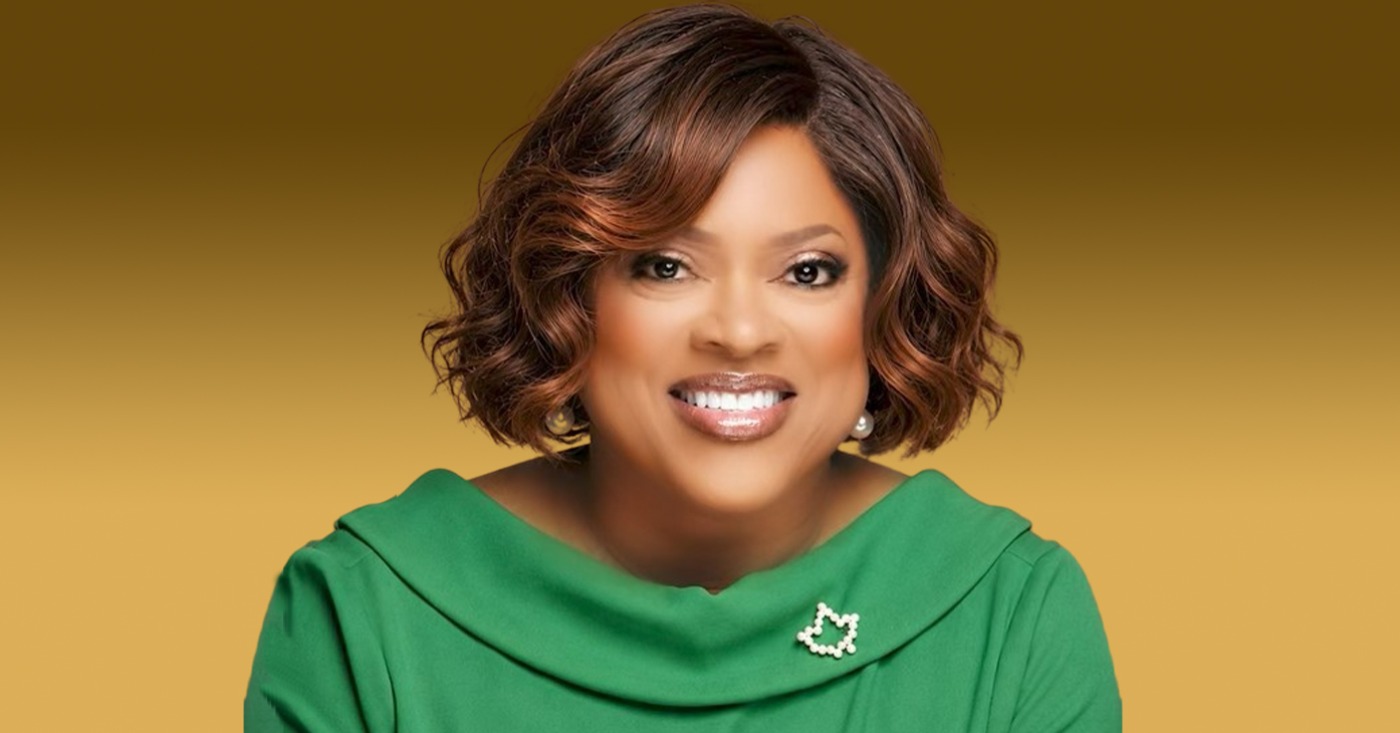
Dr. Tonja L. Ringgold, an educator and Life Member of Alpha Kappa Alpha Sorority, Incorporated® (AKA), was installed as North Atlantic Regional Director during the organization’s 72nd Biennial International Convention on July 23 in Las Vegas.
Dr. Ringgold will serve a two-year term overseeing one of the Sorority’s largest and most historic regions. With more than 17,000 members, the Notable North Atlantic is the birthplace of the sorority, which was established on Jan. 15, 1908, at Howard University in Washington, D.C.
“I am excited and humbled by the faith placed in me to lead,” said Dr. Ringgold. “I welcome the opportunity to give back to this illustrious Sisterhood that has poured so much into me.”
The North Atlantic Region, one of the sorority’s 10 regions in the United States and abroad, comprises undergraduate and graduate chapters in Connecticut, Delaware, the District of Columbia, Maine, Maryland, Massachusetts, New Hampshire, New Jersey, eastern New York, Pennsylvania, Rhode Island, and Vermont.
As the 36th Regional Director, Dr. Ringgold will serve on the Alpha Kappa Alpha 18-member Board of Directors and will assist in the implementation of policies and programs under the leadership of International President and Chief Executive Officer Charletta Wilson Jacks.
Her previous sorority leadership includes serving as the North Atlantic Regional Representative to the International Program Committee and as North Atlantic Region Program Chairman. She also served as president of Epsilon Omega Chapter in Baltimore, Maryland.
Dr. Ringgold represents four generations of Alpha Kappa Alpha women, all initiated into the Alpha Delta Chapter at Morgan State University. She was initiated in 1982, following in the footsteps of her cousin and Alpha Delta Charter member, Mary Anita Short Wheatley, and her mother, Mary Jane Briscoe Short, a life member of the Sorority with 67 years of service. Her daughter Ashley R. Davy was initiated into the Alpha Delta Chapter in 2011.
A nationally recognized educator, Dr. Ringgold has spent more than three decades in higher education. She is a retired Vice President of Academic Affairs within the Community College system and is a faculty member in the Morgan State University’s Community College Leadership Doctoral Program. She also serves as president and CEO of En-Sight Educational and Management Consultants.
She holds a doctorate degree in education, master’s degrees in Applied Psychology, Management, Business Administration, and a bachelor’s degree in Psychology.
In addition to her Alpha Kappa Alpha service, Dr. Ringgold is president of the Baltimore County Chapter of The Pierians, Incorporated; a member of the National Council on Black American Affairs; and a member of the Coalition of 100 Black Women.
She resides in Parkville, Maryland.

Community
Scotland Defeats Haiti 1-0 in World Cup Opener
MEDIASHIFT NEWSROOM MORGAN STATE UNIVERSITY — Despite Haiti’s dominance in possession, holding 54 percent of the ball, they struggled to convert opportunities, managing only two shots on goal from a total of 15 attempts.

In a tightly contested Group Stage encounter of the FIFA World Cup 2026, Scotland emerged victorious over Haiti with a 1-0 win, thanks to a decisive strike from John McGinn in the 28th minute at Boston Stadium.
The contest marked a historic night for each team, with Scotland collecting its first victory in the tournament since 1990.
And this is Scotland’s first victory in a World Cup opener since their 5-2 win over New Zealand at the 1982 FIFA World Cup Spain.
Both teams had spent many years on the sidelines as others qualified for the World Cup and four-year windows passed. Haiti qualifed for this tournament for the first time since 1974, while Scotland returned to action for the first time since 1998 in France.
An expanded tournament draw of 48 teams during this North American event helped both teams earn entrance.
Disappointed by the loss, the Haitians have another day to play, as its second Group Stage match comes against Brazil on June 19 at Philadelphia Stadium.
Looking for a better outcome, they will want to play with the same plucky toughness that kept them in this match.
Despite Haiti’s dominance in possession, holding 54 percent of the ball, they struggled to convert opportunities, managing only two shots on goal from a total of 15 attempts.
The Haitian side, led by forward pressure, forced Scotland to defend robustly, but Scottish goalkeeper David Marshall’s assured presence denied scoring opportunities.
Scotland’s organized defense and tactical discipline were exemplified by their equal number of shots on goal, though with fewer total attempts at nine.
Aaron Hickey received a yellow card early in the second half, marking a critical moment as Scotland maintained composure amidst Haiti’s spirited efforts.
The match saw a flurry of substitutions in the latter stage. Notably, Lyle Shankland, Ben Gannon-Doak, and Che Adams were introduced simultaneously by Scotland to fortify the midfield and attack.
Haiti pushed back with substitutions of their own, including the introduction of Deedson Louicius and Wilfried Isidor, trying to change the dynamic upfront.
However, defensive solidity and a disciplined Scottish side prevailed, maintained by a late yellow card to Kenny McLean as the match wound to a conclusion.
John McGinn’s solitary goal, coupled with strategic gameplay and resilient defense, secured Scotland a crucial three points in the group standings.
About the Game
Welcome to the world of the FIFA World Cup, a global football tournament. Football, also known as soccer in some countries, is a team sport played by two teams of 11 players each on an outdoor field.
The main goal is to score more goals than the opposing team. A goal is scored when the ball is kicked into the opposing team’s large net, called the goal.
Games last 90 minutes, divided into two halves of 45 minutes each, with a short break in between called halftime. Players use their feet to kick the ball, but they can also use their heads or other parts of the body, except their hands and arms.
Only the goalkeeper, who stays near the goal to try to stop shots, can use hands within a specific area called the penalty box. Some important terms you’ll hear include “offside,” which is when a player is in an illegal position closer to the opponent’s goal than the ball and the second last opponent, and “fouls,” which are rule violations leading to free kicks or penalty kicks, depending on where they occur.
The FIFA World Cup occurs every four years and is considered the most prestigious football competition in the world. In 2026, teams from around the globe compete for the title.
The tournament is structured with a group stage followed by knockout rounds. Initially, teams are divided into groups and each team plays against the others in its group.
Teams earn points for each match: three points for a win, one for a draw, and none for a loss. The best teams advance to the knockout stage, where they compete in direct elimination matches until only one team remains as the champion.
The World Cup is exciting because it brings nations together in a celebration of culture and sport, showcasing the best talents and fostering international camaraderie.
Understanding these basics helps you follow the matches and enjoy the thrilling spectacle of the world’s most-watched sporting event.
Entertainment
Ivory Coast Finds the Net Late Securing a 1-0 Victory Over Ecuador
MEDIASHIFT NEWSROOM MORGAN STATE UNIVERSITY — Ecuador dominated possession with 55 percent and had a higher passing accuracy at 87 percent compared to Ivory Coast’s 83 percent, but failed to register a single shot on target.

PHILADELPHIA – In a tightly contested FIFA World Cup 2026 Group Stage match, Côte d’Ivoire’s men’s national team (Ivory Coast) edged out Ecuador 1-0 thanks to a late goal from substitute Aboubacar Diallo.
The game, held on June 14 at Philadelphia Stadium, saw both teams struggle to create clear opportunities, with Les Éléphants managing only one shot on goal throughout the match.
They move forward with a much-anticiapted match against Germany on June 20 in Toronto.
Ecuador dominated possession with 55 percent and had a higher passing accuracy at 87 percent compared to Ivory Coast’s 83 percent, but failed to register a single shot on target.
The first half progressed with intense midfield battles, evidenced by three yellow cards issued to Ivory Coast’s Seko Fofana, Franck Kessie, and Giacomo Doue.
Despite Ecuador’s tactical substitutions in the second half, including Alexander Minda and Jhegson Yeboah, they could not break the deadlock.
Les Éléphants breakthrough came in the 90th minute when Diallo converted their sole accurate effort into the match’s defining moment.
Ecuador’s goalkeeper made one save, but it was not enough to stop Ivory Coast from securing a crucial three points. Les Éléphants return to the World Cup for the first time since 2014 and are making the nation’s fourth appearance.
The result leaves Ecuador needing to reassess their attacking strategies for upcoming matches if they are to progress further in the tournament.
About the Game
Welcome to the FIFA World Cup, a global football tournament. Football, also known as soccer in some countries, is a team sport played by two teams of 11 players each on an outdoor field.
The main goal is to score more goals than the opposing team. A goal is scored when the ball is kicked into the opposing team’s large net, called the goal. Games last 90 minutes, divided into two halves of 45 minutes each, with a short break in between called halftime.
Players use their feet to kick the ball, but they can also use their heads or other parts of the body, except their hands and arms. Only the goalkeeper, who stays near the goal to try to stop shots, can use hands within a specific area called the penalty box.
Some important terms you’ll hear include “offside,” which is when a player is in an illegal position closer to the opponent’s goal than the ball and the second last opponent, and “fouls,” which are rule violations leading to free kicks or penalty kicks, depending on where they occur. The
FIFA World Cup occurs every four years and is considered the most prestigious football competition in the world. In 2026, teams from around the globe compete for the title.
The tournament is structured with a group stage followed by knockout rounds. Initially, teams are divided into groups and each team plays against the others in its group.
Teams earn points for each match: three points for a win, one for a draw, and none for a loss. The best teams advance to the knockout stage, where they compete in direct elimination matches until only one team remains as the champion.
The World Cup is exciting because it brings nations together in a celebration of culture and sport, showcasing the best talents and fostering international camaraderie.
Understanding these basics helps you follow the matches and enjoy the thrilling spectacle of the world’s most-watched sporting event.


Port of Oakland, Army Corps Sign Historic Harbor Design Agreement

Democratic Clubs Interview Candidates for Oakland School Board

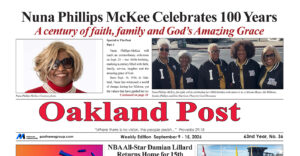
Nuna Phillips-McKee Celebrates 100 Years: ‘A Century of Faith, Family and God’s Amazing Grace!’

D.A. Ursula Jones Dickson: Terminix to Pay $3.15 Million Over Illegal Disposal of Pesticides, Customer Records

REPORT: Community Level Policy Is Impacting Homelessness and Drug Abuse in California

OPINION: AI Needs to Know Who Is the Boss
Goldi-Locs and Two (or Three) Bears in the Forest in California Hills

Election Watch 2026: 85% of Eligible Voters in California Are Registered

Don’t Let scammers Crash Your School Year

BOOK REVIEW — Curved Air: A Biography of Sickle Cell Anemia and the Quest to Cure the First Molecular Disease

California’s Legal Cannabis Market Hits $8 Billion as State Touts Progress on Fighting Drugs, Crime

Blacks and Latinos Clash Over LA’s Barrio Run; Mayor Karen Bass Calls for Dialogue Across Racial, Neighborhood Lines

Asm. Smallwood-Cuevas’s Bill Repealing ‘Racist’ CalWORKs ‘Man-in-the-House’ Rule Clears Legislature

Asm. Smallwood-Cuevas’s Bill Repealing ‘Racist’ CalWORKs ‘Man-in-the-House’ Rule Clears Legislature

‘Ready to See These Bills Become Law’: Sen. Weber’s Package of 15 Bills Advance to Gov. Newsom’s Desk

Department of Homeland Security Demands California Secretary of State Shirley N. Weber Scrub Voter Rolls

“The Power to See Threats Sooner”: Gov. Newsom, Safety Officials Showcase California’s Investments in Hi-Tech Wildfire Prevention

California Sen. Padilla Joins Colleagues to Introduce Bill Imposing Term Limits on Supreme Court Justices

Less Affluent School Districts, Including Sacramento City, Face Threat of State Takeover

Car Wash Workers Cope with Lingering Impacts of ICE Raids

ESSAY: California Can Close Its Colorectal Cancer Gap

Oakland Post: Week of August 5 – 11, 2026

As Part of Your Back-to- School Checklist, Vaccinate

Oakland ‘Port Serves as a Powerful Engine for Good Jobs and Economic Development

Gov. Newsom Announces $109.6 Million in Funding for 278 Supportive Homes in Bakersfield, Contra Costa, Sacramento and Fresno

California Hispanic Chambers of Commerce Unveils: ‘Powering the Future’ Theme for 47th Annual Statewide Convention

Closing the Gap: What the Data and Frontline Experiences Reveal About Cancer in Black California

Congresswoman Simon Demands Investigation into Trump’s Abuse of Emergency Powers for Coal Export Terminal in West Oakland

Four Candidates, Including Incumbent Barbara Lee, Qualify for Oakland Mayor’s Race

Oakland Post: Week of August 12 – 18, 2026

The Conversation With Al McFarlane 6/23/26

Media Monday 6/22/26

LIVE! ASK ALMA! — TUES. 6.23.26 7PM EST

Car Buying Secrets: 4 Hidden Checks Before You Sign!

Is This 550 HP Charger Worth YOUR Money? AutoNetwork Review

Celebrating Juneteenth – Frederick Douglass on education and resistance

LIVE! — ASK ALMA! — TUES. 6.19.26 7PM EST

Hyundai Ioniq 5 Parking, Safety, and 360 View #shorts

2025 Ioniq 5 New Wiper & Powerful Performance! #shorts

Electric SUV Range: Is 259 Miles Enough? #shorts

EV Charging: How Fast Can You Charge an Electric Vehicle? #shorts

Biometric Cooling… Messaging Seats…Come on! 2025 Infiniti QX80 Autograph 4WD

Charged Up: Witness the Magic of a Fully Electric Car! #shorts

Range Rover Sport PHEV Included…: See What’s Inside This Luxury SUV! #shorts

Invisible Hood View: Perfect Parking with X-Ray Vision! #shorts
-

 Commentary3 weeks ago
Standoff for Justice: Our Homes Are Worth Fighting For
-

 Business3 weeks ago
Gubernatorial Candidate Steve Hilton Blasts California New Tire Rules; Newsom Hits Back
-

 Activism3 weeks ago
Oakland Post: Week of August 26 – September 1, 2026
-

 Business3 weeks ago
Frontier Airlines’ Return to Oakland Airport Brings Flights, Jobs and Opportunity
-

 Business3 weeks ago
Chef Sharon Lee Blends Culinary Excellence, Education and Empowerment
-

 Education3 weeks ago
Gov. Newsom’s Latest Appointees Include Sacramento Advocate for Formerly Incarcerated Students; State’s New Tech Chief
-

 Business3 weeks ago
Oakland Coliseum Project Opens Door for Small Businesses to Build Bigger
-

 Community3 weeks ago
Big City Mayors Ask for “Yes” Vote on Housing Bond Measure; Conservatives Say “No”
