
Health
UCSF Medical Center to Open $1.5 Billion, “Next Generation” Hospital Complex

After more than 10 years of planning and construction, UCSF Medical Center at Mission Bay will open Feb. 1 on UC San Francisco’s biomedical research campus.
UCSF Medical Center at Mission Bay comprises UCSF Benioff Children’s Hospital San Francisco, UCSF Betty Irene Moore Women’s Hospital and UCSF Bakar Cancer Hospital. The new facilities include a 289-bed hospital complex, with children’s emergency and outpatient services that will integrate research and medical advancements with patient-focused, compassionate care.
UCSF Medical Center at Mission Bay will welcome its first patients the morning of Feb. 1, when teams of health care professionals and ambulances begin moving some inpatients from the UCSF Parnassus campus and Mount Zion campus into the new facilities.
The new medical center, strategically located on UCSF’s 60.2-acre Mission Bay research campus, will enhance UCSF’s ecosystem of innovation by putting physicians in close proximity to researchers and near biotechnology and pharmaceutical companies in Mission Bay and beyond. The new cancer hospital, for example, will sit near the UCSF Helen Diller Family Cancer Research Building, where every day leading scientists are seeking causes and cures for cancer.
UCSF Medical Center at Mission Bay also will feature the only operating hospital helipad in San Francisco to transport critically ill babies, children and pregnant women to the medical center from outlying hospitals.
“UCSF Medical Center at Mission Bay profoundly advances our ability to fulfill our mission as a public hospital, providing high-quality health care that meets the future needs of the entire Bay Area,” said Mark R. Laret, CEO, UCSF Medical Center and UCSF Benioff Children’s Hospitals.
“By embedding clinical care within our research enterprise at Mission Bay, UCSF physicians and scientists in the forefront of cancer medicine, and women’s and children’s health will be able to more readily translate discoveries into next-generation therapies and cures,” he said.
Distinctive features of UCSF Medical Center at Mission Bay include 4.3 acres of green space and 1.2 acres of rooftop gardens, soothing art- and light-filled interiors and a public plaza created in partnership with the City of San Francisco. In addition, UCSF Medical Center at Mission Bay is on target to be one of the first LEED Gold certified hospitals in California.
The Integrated Center for Design and Construction brought together more than 200 architects, engineers and contractors working side by side in a command center on the construction site. Construction of the hospitals began in December 2010.
“The healing power of UCSF Medical Center at Mission Bay extends beyond the hospitals’ walls, as clinicians and researchers work side by side to accelerate medical breakthroughs and transform the delivery of health care in this country,” said Sam Hawgood, MBBS, chancellor of UC San Francisco.













Community
Iowa’s State Black and Brown Caucus Demand Investigation into Lead Azine Detonation
The Iowa Legislative Black and Brown Caucus is demanding a full independent investigation following the U.S. Army’s controlled detonation of 10,000 pounds of degraded lead azide at the Iowa Army Ammunition Plant. Legislators expressed serious concerns regarding environmental justice and public health, questioning why the toxic material was allowed to deteriorate for decades until it became too unstable to move. The caucus is calling for transparency regarding potential lead contamination of local soil, water, and agricultural products that sustain rural and working-class communities. Read more.



Note: On Nov. 25, after court and state-requested delays, the U.S. Army completed two simultaneous controlled detonations of about 10,000 pounds of degraded lead azide which had been stored in the Army Ammunition Plant in Middletown. The detonation followed the discovery in March that the material was too unstable to move. In October, local residents were informed of the plan, and the Environmental Protection Agency approved it on Nov. 13. The Army ordered evacuations for residents within a five-mile radius. Protests ensued, and the Eighth Circuit Court paved the way for today’s detonation within a concrete bunker. The states of Illinois and Missouri are also activated monitoring and emergency coordination.
Portions of the statement by the Black and Brown Caucus of Iowa’s state legislators are below:
Lead is highly toxic, and there is no known safe level of lead exposure. The projected release of lead-containing dust raises serious concerns about the health of our children, pregnant people, agricultural workers, livestock, and anyone who may come into contact with contaminated air, soil, water, or surfaces.
Iowans deserve answers and accountability. The Army’s failure to address this material sooner has left our communities facing a dangerous situation, and at the very least, Iowans deserve full transparency, accountability, and every possible safeguard to protect our people, our land, and our future.
The consequences of this failure have been placed on the shoulders of Iowa families and communities.
The Iowa Legislative Black and Brown Caucus is calling for a full, independent
investigation into how nearly 10,000 pounds of lead azide were allowed to deteriorate at the Iowa Army Ammunition Plant for more than two decades, ultimately reaching a point where the Army claims it is too dangerous to safely move or dispose of through alternative methods.
This situation raises serious questions about environmental justice, public health, government
transparency, and the responsibility of public institutions to protect the people they serve.
For generations, Black, Latin, immigrant, rural, and working-class communities have experienced the consequences of environmental hazards and industrial pollution in Iowa. This is a matter of public health, economic security, and basic human dignity.
What happens when lead-containing particles settle on farmland, contaminate water sources, or
accumulate on crops and produce? What protections are in place for livestock, farm animals, and the people who work with, consume, and depend on these agricultural products? These are questions that deserve clear, science-based answers, not assumptions or reassurances.
Every Iowan deserves clear information, meaningful protections, and confidence that their health and safety are being prioritized. We call upon state and federal authorities to ensure:
- Timely, accessible information about the planned operation, potential exposure, and scientific evidence
- Safety advisories and emergency information reach all affected communities, including through Spanish-language and other accessible communications
- Assessment of potential impacts on farmland, crops, livestock, water sources, and agricultural operations, with clear guidance for producers and appropriate testing and remediation
- Independent air, soil, and environmental monitoring with findings made publicly available
- Prioritization of children, pregnant individuals, older adults, outdoor workers, wildlife, and households facing barriers to transportation, healthcare, or emergency services
- Clear expectations for long-term environmental testing, remediation, public health follow-up, and continued communication after the operation
- Full accounting of oversight and decision-making including a documented timeline of how hazardous materials were stored, when deterioration and associated risks were identified, what actions were considered, and how federal, state, local, and civilian personnel were notified and protected

State Rep. Ruth Ann Gaines
State Rep. Rob Johnson
State Rep. Mary Madison
State Rep. Jerome Amos
State Senator Renee Hardman
State Rep. Angel Ramirez
State Rep. Megan Srinivas
State Rep. Ross Wilburn
State Rep. Elect Vincent Collis
State Senator Elect Samy El-Baroudi
State Rep. Elect Ivette Muhammad
State Rep. Elect Shawn Olorundami
State Rep. Elect Nick Salazar
State Senator-Elect Nikhil Wagle
Former State Rep. Ako Abdul-Samad
The source for this statement is the Facebook page for the Iowa Black and Brown Caucus of State Legislators.

Commentary
OP-ED: More Sleep and Lower Blood Pressure — An Overlooked Connection
POST NEWS GROUP — High blood pressure often produces no noticeable symptoms, even while increasing the risk of heart disease and stroke. The absence of symptoms became even clearer to me at a local festival where free blood pressure screenings were offered. I spoke with a woman whose systolic pressure — the top number — was 198. She said she felt fine.

Essay: More Sleep and Lower Blood Pressure — An Overlooked Connection
Photo Caption:
By
Lack of sleep can contribute to high blood pressure, yet sleep often receives less attention than medication, diet and exercise in discussions about heart health. During sleep, blood pressure normally declines, reducing the demands placed on the heart and blood vessels. When sleep is insufficient or frequently interrupted, blood pressure can remain higher for longer periods.
For Black Americans, the connection deserves particular attention. Nearly 58% of Black adults have high blood pressure, according to the Centers for Disease Control and Prevention. A National Center for Health Statistics report found that 40.2% of Black adults experienced short sleep, compared with 28.9% of White adults.
The figures do not prove that inadequate sleep explains why Black adults have higher rates of hypertension. They do show why sleep belongs in the discussion about Black cardiovascular health.
That connection became personal for me during a routine visit to my cardiologist. My blood pressure was 143/90. I was already taking blood pressure medication, but I had not been monitoring my pressure at home. I had no warning that the reading had changed.

High blood pressure often produces no noticeable symptoms, even while increasing the risk of heart disease and stroke.
The absence of symptoms became even clearer to me at a local festival where free blood pressure screenings were offered. I spoke with a woman whose systolic pressure — the top number — was 198. She said she felt fine.
A systolic reading above 180 is considered severe hypertension and requires prompt medical attention, even without symptoms. Her reading reinforced what I had learned from my own experience: Feeling fine does not mean that blood pressure is normal.
After my cardiology appointment, I began looking at possible reasons for my elevated reading. I considered what I ate, how much I exercised and whether I was taking my medication as prescribed. Then I thought about my sleep.
I was sleeping four to five hours a night. I was not deliberately choosing to sleep less. I would become busy in the evening, move from one activity to another and go to bed later than I intended. Over time, that pattern became routine.
After researching the relationship between sleep and high blood pressure, I began going to bed earlier. I increased my sleep to seven or eight hours a night and continued monitoring my pressure. My medication remained the same.
Within weeks, my blood pressure readings moved into the normal range. One recent reading was 114/68.
I know that one change in my routine does not prove cause and effect. I had no home readings from before the cardiologist visit, so I do not know when my pressure started rising. Blood pressure also changes with stress, activity, time of day and how it is measured.
Still, my medication remained the same while I slept longer and my blood pressure readings improved.
Research has linked inadequate sleep to hypertension.
“When a person doesn’t sleep enough or doesn’t get quality sleep, it can increase their risk of hypertension,” Dr. Chandra Jackson, a senior investigator at the National Institute of Environmental Health Sciences, said in an interview published by the institute.
The American Heart Association added sleep to its Life’s Essential 8 measures of cardiovascular health in 2022. The association recommends seven to nine hours of sleep a night for most adults, which is the amount I now get.
Getting more sleep is also not simply a matter of personal discipline. Work schedules, multiple jobs, caregiving responsibilities, neighborhood noise, housing conditions and concerns about safety can make regular sleep difficult.
Dr. Girardin Jean-Louis, director of the Center on Translational Sleep and Circadian Sciences at the University of Miami, has studied racial disparities in sleep.
“Black and Latino people in the U.S. sleep around 30 to 60 minutes less per night than White people,” Jean-Louis said in an article published by the university.
Racism and discrimination also contribute to stress that can interfere with sleep.
“Things like racism and discrimination, these affect our sleep,” Dr. Dayna Johnson, a sleep epidemiologist at Emory University, said in an interview with North Carolina Public Radio.
Sleep quality matters, too. A person can spend seven or eight hours in bed and still not get restorative sleep. Sleep apnea causes breathing to stop and restart during the night and increases the risk of high blood pressure, heart attack and stroke. Warning signs include loud snoring, gasping during sleep, morning headaches and excessive daytime sleepiness. The condition is more common among Black adults than White adults.
The lesson from my experience is not that sleeping longer cured my high blood pressure. Sleeping longer does not replace medication, medical care or regular monitoring. I told my cardiologist about the change in my sleep schedule, and his concern remained whether my readings were under control.
What changed was my understanding of sleep as part of protecting my heart. I had treated sleep as the time left after I finished everything else. Going to bed earlier was a change I could make, and monitoring my pressure allowed me to see what was happening.
For me, inadequate sleep was a risk factor I had overlooked. Getting enough sleep is now part of how I manage my heart health. I did not know it mattered. Now I do.
About the Author
Joe W. Bowers Jr. is a contributing editor for California Black Media who reports on health, education and public policy. He is a graduate of Stanford University.
Community
UC Doctors, Nurses and Community Rally to Demand ICE Out of UC Hospitals
A coalition of University of California resident physicians and nurses rallied outside the Board of Regents meeting in San Francisco this week to demand the removal of immigration enforcement from UC hospitals. Supported by organizations including the California Nurses Association and SEIU, the protesters called for systemwide protocols to protect patient privacy and worker safety. Organizers argue that the presence of federal agents undermines medical trust and compromises care for vulnerable populations. The coalition is now urging university leadership to implement specific transparency measures and updated guidelines to read more.
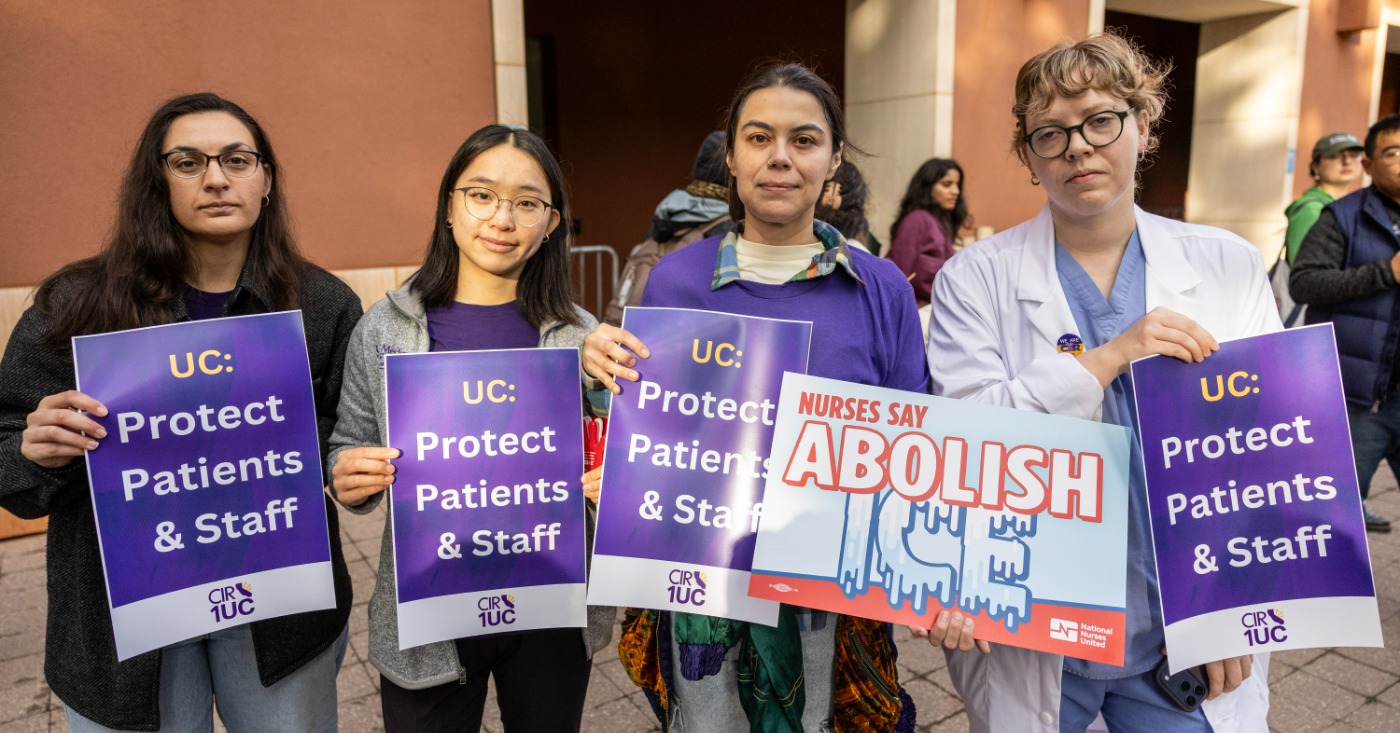
Alongside community members, a coalition of resident physicians and nurses from across the University of California rallied this week outside the Board of Regents meeting in San Francisco demanding that UC get ICE out of its hospitals and establish clear, systemwide protections for patients and healthcare workers.
Hundreds of emails have been sent to the Board of Regents and UC President James Milliken reiterating the need for a comprehensive policy and protocol. The email action is cosponsored by the Committee of Interns/Service Employees International Union (CIR/SEIU), the California Immigrant Policy Center, California Nurses Association, and United Auto Workers 4811, according to a press release issued by protest organizers.
These actions on Tuesday, Nov. 17, were part of a growing campaign to ensure UC hospitals remain places of healing, dignity, and confidential medical care for everyone, regardless of immigration or custody status, the press release said.
Currently, a lack of clear, consistent protocols and staff training for situations involving patients in immigration enforcement custody at UC Health facilities creates confusion, safety risks, and the potential for violations of patients’ rights. Healthcare workers need clear guidance to protect patient privacy, uphold legal rights, and provide appropriate medical care.

“As doctors, the well-being of the people we serve is our utmost priority. The presence of immigration enforcement in our hospitals undermines our ability to provide care and impedes patients from receiving proper, dignified treatment. UC must take action now to protect patients and staff,” said Dr. SatKartar Khalsa, CIR-SEIU regional vice president.
The presence of immigration enforcement officers in healthcare settings can interfere with medical examinations and treatment, compromise patient confidentiality, and undermine trust between patients and providers. Patients in immigration custody may face barriers to contacting family, accessing support services, and participating in decisions about their care. Healthcare workers also report fears of unsafe working conditions, racial profiling, and retaliation for advocating for their patients.
“Nurses demand that our hospitals must be places of healing and safety and completely off limits to any sort of ICE or federal immigration agent presence,” said Jamile Cabacungan, a medical-surgical-telemetry RN at UCSF Stanyan Hospital. “From the start of this cruel and unnecessary deportation program, nurses have been educating ourselves and our patients to know and exercise our rights, and we even sponsored state legislation to keep ICE out of our hospitals. Our employer UC must step up and proactively do everything possible to support us and our ability to provide safe care to our patients and communities.”
The coalition calls on UC leadership to:
- Protect patient privacy and dignity by limiting ICE access to patient care areas and safeguarding confidential patient communications.
- Uphold patients’ rights and continuity of care, including access to certified medical interpreters, family notification, surrogate decisionmakers, social services, legal support, and safe disposition planning.
- Protect healthcare workers from racial profiling and retaliation for advocating for immigrant patients.
- Establish clear protocols and staff training for responding to immigration enforcement activity in hospitals.
- Ensure transparency and accountability, including information about federal immigration agents’ visits to UC hospitals over the past year.
- Meet with union representatives to address healthcare workers’ concerns and develop effective protections.
The coalition is urging – at a minimum – for UC to adopt the updated California Attorney General guidelines, with stronger protections modeled on comprehensive immigrant rights policies. These protections must include practical protocols, staff training, clear lines of responsibility, and accountability for implementation.



Iowa’s State Black and Brown Caucus Demand Investigation into Lead Azine Detonation

COMMENTARY: The Judicial System Silenced Jendayi by Using the Penal Codes and Locking Her Up in Jail

PRESS ROOM: Mississippi Congressman Bennie Thompson to Speak at Oakland Post/El Mundo and Post News Group 64th Anniversary Celebration

OP-ED: More Sleep and Lower Blood Pressure — An Overlooked Connection

Native American Health Center Connects 140 Community Members to Career Opportunities During Native American Heritage Month

Oakland Chamber of Commerce Faces $42,000 Ethics Fine for Campaign Violation

Attorney General Bonta Serves Investigative Subpoena on Nvidia

A Record 216 Firearms Collected at East Oakland Gun Buy-Back Event

City Council Hearing Shines a Light on Failures of City’s Prompt Payment Policy

IN MEMORIAM: Claude T. Everhart, San Francisco’s First Black Deputy Mayor, Dies at 73

UC Doctors, Nurses and Community Rally to Demand ICE Out of UC Hospitals

Hypertension and Heart Disease: Doctors, Advocates and Patients Are Tackling the Leading Cause of Death for Black Californians

Marin City Is Especially Vulnerable to El Niño High Tides, Strong Winds, Flooding and Power Outages

‘We’re Committed to Delivering the Change that the American People Deserve’

Staying Ready: What Every Californian Should Know About Preparing for El Niño

COMMENTARY: Valarie Bachelor and Jennifer Brouhard are Excellent School Board Members and Deserve to Be Reelected

OUSD Receives State Review of District Finances; Outlines Progress Since January

SEIU Local 1000 and State of California Will Continue to Negotiate New Labor Contract

HISTORY MADE: Keisha Lance Bottoms Becomes First Black Woman Elected Governor in American History

COMMENTARY: Your California Living Trust Could Be Next: When Evidence Isn’t Enough

Golden State Valkyries Become Bay Area Legends Winning WNBA Championship on Halloween Night

Fate of Bay Area Public Transit Hinges on Regional Transit Measure

Chase Launches Fraud & Scam Prevention Month

Five Hospitals Said No! Who Will Help Annette Henry Recover?

From Backyard Grilling to Jack London Square: Jamale Carlyle’s Chicken Wing Success Story

Hutchinson Concedes: Ballots Still Being Counted in Oakland Board Elections

IN MEMORIAM: Marcia Ann Gillespie, Editor of Essence and Ms. Magazines, Dies at 82

Post News Group Nov. 3 Election Endorsements

Richmond Neighbors Put Pantry Power on the Map

Democrats, Community Groups Back Measure EE to Change How Oakland Is Governed

The Conversation With Al McFarlane 6/23/26

Media Monday 6/22/26

LIVE! ASK ALMA! — TUES. 6.23.26 7PM EST

Car Buying Secrets: 4 Hidden Checks Before You Sign!

Is This 550 HP Charger Worth YOUR Money? AutoNetwork Review

Celebrating Juneteenth – Frederick Douglass on education and resistance

LIVE! — ASK ALMA! — TUES. 6.19.26 7PM EST

Hyundai Ioniq 5 Parking, Safety, and 360 View #shorts

2025 Ioniq 5 New Wiper & Powerful Performance! #shorts

Electric SUV Range: Is 259 Miles Enough? #shorts

EV Charging: How Fast Can You Charge an Electric Vehicle? #shorts

Biometric Cooling… Messaging Seats…Come on! 2025 Infiniti QX80 Autograph 4WD

Charged Up: Witness the Magic of a Fully Electric Car! #shorts

Range Rover Sport PHEV Included…: See What’s Inside This Luxury SUV! #shorts

Invisible Hood View: Perfect Parking with X-Ray Vision! #shorts
-
 Commentary3 weeks ago
COMMENTARY: Valarie Bachelor and Jennifer Brouhard are Excellent School Board Members and Deserve to Be Reelected
-
 Education3 weeks ago
OUSD Receives State Review of District Finances; Outlines Progress Since January
-
 Business3 weeks ago
SEIU Local 1000 and State of California Will Continue to Negotiate New Labor Contract
-
 Black History3 weeks ago
HISTORY MADE: Keisha Lance Bottoms Becomes First Black Woman Elected Governor in American History
-
 Business3 weeks ago
COMMENTARY: Your California Living Trust Could Be Next: When Evidence Isn’t Enough
-
 Community3 weeks ago
Golden State Valkyries Become Bay Area Legends Winning WNBA Championship on Halloween Night
-
 Black History3 weeks ago
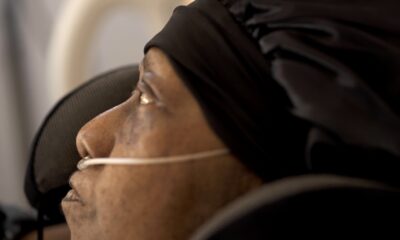
Five Hospitals Said No! Who Will Help Annette Henry Recover?
-
 Black History3 weeks ago
From Backyard Grilling to Jack London Square: Jamale Carlyle’s Chicken Wing Success Story
