
Health
First Lady: US Experiencing Food ‘Culture Change’


First lady Michelle Obama speaks at the annual Building a Healthier Future 2015 summit in Washington, Thursday, Feb. 26, 2015. (AP Photo/Jose Luis Magana)
DARLENE SUPERVILLE, Associated Press
WASHINGTON (AP) — Michelle Obama said Thursday that the U.S. has undergone a “culture change” in the five years since she started raising awareness about childhood obesity. But as she celebrated achievements on multiple fronts, the first lady also warned that the progress that’s been made is “incredibly fragile.”
That’s because special interests “whose first priority is not our kids’ health” are “waiting for us to get complacent or bored and move on to the next trendy issue,” Mrs. Obama said at an annual health summit. She cited the fight over a recent child nutrition law as an example.
“Even today, some folks are still arguing that we just can’t afford to serve our kids healthy food, that it’s too expensive,” she said in a reference to Obama administration requirements that more fresh produce and whole grains be served in schools.
Many schools have adopted the standards but others contend they aren’t working and have lobbied Congress to weaken them. Schools must follow government nutrition rules if they accept federal reimbursements for free and reduced-price meals for low-income students.
A massive spending bill passed at the end of 2014 eased some requirements for serving whole grains and reducing sodium content in school meals. Republicans now in control of both houses of Congress are expected to try to relax additional requirements this year when the overall law governing child nutrition policy, including school lunches, comes up for renewal.
Advocates say the standards are important because many children eat most of their meals away from home.
“There are not enough voices talking about how, when we’re spending hundreds of billions of dollars treating obesity-related diseases, we can’t afford not to give our kids nutritious food,” Mrs. Obama said, urging advocates to “get in the game” like their opponents.
“We need to be out there every day tweeting, Instagramming, myth-busting. We need to use every tool at our disposal: social media, marketing and advertising, even some old-fashioned community organizing,” she said.
Patricia Montague, chief executive of the School Nutrition Association, said the administration has said the new rules would cost schools an additional $1.2 billion this year. At the same time, more than 1 million fewer students are choosing to eat lunch at school each day, she said, reducing revenue.
“We hope the first lady will speak up in support of SNA’s request for adequate funding for struggling school meal programs and flexibility to help school nutrition professionals plan healthy, appealing meals,” Montague said in a statement.
The School Nutrition Association is an industry-backed group that represents school and cafeteria workers and food companies that sell to schools. It is holding its annual legislative conference next week and its members plan to lobby lawmakers on Capitol Hill.
In her remarks, the first lady said one measure of the past five years is that food companies, fast-food restaurants and convenience stores are “racing like never before” to make and sell more nutritious food. Schools are planting vegetable gardens and replacing pizza lunches with fresh produce and whole grains. Companies are rewarding employees for eating well and exercising, while she said it seems everyone is wearing a fitness bracelet.
“Five years ago all this stuff would have been considered cutting edge,” Mrs. Obama said. “But now, today, it’s our new norm.”
She also singled out the Georgetown women’s basketball team for giving away kale to the first 100 people who attended a recent home game.
“Now that definitely wasn’t happening five years ago,” the first lady joked.
Larry Soler, chief executive of the Partnership for a Healthier America, the conference sponsor, said that when the nonprofit organization started five years ago, he began by approaching companies and asking them to consider making more healthful products.
“Now, it’s more likely that companies are coming to us and saying, ‘Hey, we want to make these changes,'” Soler said in an interview. “Consumer demand is really now what’s driving these changes.”
___
Follow Darlene Superville on Twitter: http://www.twitter.com/dsupervilleap
Copyright 2015 The Associated Press. All rights reserved. This material may not be published, broadcast, rewritten or redistributed.





Activism
Diabetes in Black California: Turning the Tide from Crisis to Control
According to the Centers for Disease Control and Prevention (CDC) Behavioral Risk Factor Surveillance System data, nearly 17.9% of Black adults in California have been diagnosed with diabetes — above the national Black adult average of 16.8%, and nearly five points higher than California’s overall adult rate of 12.6% across all races. California ranks 24th out of 39 states with available data for Black adult diabetes rates.

By Charlene Muhammad, California Black Media
Crystal Lambert knew something was terribly wrong with her three-year-old granddaughter as she sped down the street trying to get her to the hospital.
“I thought she got a hold of some poison,” Lambert recalled.
Doctors found Lambert’s granddaughter had a blood sugar level over 800, diagnosing her with Diabetic Ketoacidosis(DKA), a state in which the body, starved of insulin, begins to shut down.
Lambert said she was born with a pancreas that was not fully functioning — it lacked the specialized cells required to produce insulin.
Her granddaughter survived and is five years old today. Now, she gives herself insulin shots, asks endless questions about her condition, and runs like the spirited child she is. But the terror of that night transformed Lambert — and ultimately inspired her to launch the We Fight Back Organization, a mobile health and food access initiative serving underserved communities across California. Lambert is the executive director.
The Crisis by the Numbers
According to the Centers for Disease Control and Prevention (CDC) Behavioral Risk Factor Surveillance System data, nearly 17.9% of Black adults in California have been diagnosed with diabetes — above the national Black adult average of 16.8%, and nearly five points higher than California’s overall adult rate of 12.6% across all races. California ranks 24th out of 39 states with available data for Black adult diabetes rates.
Nationally, according to the U.S. Department of Health and Human Services, Black Americans were 24% more likely than the overall U.S. population to have diabetes in 2024. They also died from diabetes 78% more often than the general population in 2022. Black Americans are also more than twice as likely as the overall population to develop kidney failure caused by diabetes.
According to the California Health Care Foundation’s 2024 Health Disparities Almanac, Black Californians have the shortest life expectancy in the state at just 74.6 years — due in part to chronic conditions like diabetes and its devastating complications.
Leon Rock, co-founder of the African American Diabetes Association, believes statistics, though revealing, only tell part of the story.
“There are a whole bunch of Black folks that don’t tell you that they have diabetes — or don’t know,” he said.
And the disease itself, Rock is careful to note, is not what kills. “They die from the complications. That’s heart attack, that’s stroke, that’s amputations of legs, of feet. Going blind. All those complications are inherent in a system that has impacted Black folks with diabetes in California and across America.”

Crystal Lambert, creator and executive director of the We Fight Back Organization, started out of a need to learn more about diabetes on behalf of her granddaughter. Now she is looking to spread her organization to the valley, on Friday, June 6, 2026 Photo by Solomon O. Smith/ California Black Media
An Information Gap Fuels the Crisis
For Rock, part of the solution is diagnosis. He says the medical and public health systems are failing Black Californians by the absence of information designed for them.
“That is the bottom line. We need good information. Information that is culturally specific,” said Rock.
Telling people to eat healthy or exercise, he added, falls short when culturally specific alternatives are not provided, and when many residents of urban communities do not feel safe exercising in some neighborhoods – or outside at night.
Dr. Khadijah Lang, a family medicine physician and president of the Golden State Medical Association, agrees that the roots of the crisis run deeper than individual behavior — and blaming patients misses the point.
“We are not genetically predisposed to diabetes,” Lang said. “But the system under which we live increases the likelihood that we will develop it.”
What the Body Needs — What Communities Are Denied
Type 2 diabetes, which accounts for 90 to 95% of all diabetes cases, according to the CDC, develops when the body can no longer use insulin effectively to regulate blood sugar. Left unmanaged, it damages nerves, kidneys, eyes, and the cardiovascular system. The hemoglobin A1C test is a blood draw that reveals how the body has processed sugar over the previous three months — not just at the moment of the test. It is the standard tool for both diagnosis and ongoing monitoring.
That distinction matters, Lang emphasized, because patients cannot manipulate three months of blood sugar history the way they might fast for a day before a single blood draw.
“The pill is not meant to undo or control a sugar level that’s being constantly stressed,” Lang said. “It’s meant to work in conjunction with a low-carbohydrate diet and exercise.” She recommended at minimum 30 minutes of physical activity five days a week — breakable into 10-minute sessions for those who need it.
Lang stressed that education must be delivered in language people recognize and can relate to. The goal is to inform them of the choices that serve their health best, she said.
But for many Black Californians, even those informed choices remain out of reach, Lambert said.
“They need access to healthy foods and medication, too” she said.
California has made some critical policy advances. The state has expanded access to the Continuous Glucose Monitor (CGM), which has transformed diabetes care for state residents. Assembly Bill 365, introduced in 2024, proposed requiring Medi-Cal to cover the costs of CGM and other related medical equipment but it failed in the State Senate. Since then, the California Department of Health Care Services (DHCS) reports that the core Medi-Cal CGM benefit now available to eligible patients was solidified through previous budget actions and pharmacy policy updates.
These measures, while meaningful, have not closed the gap for the communities most at risk, according to advocates.
Control Through Community
Health care advocates conclude that the solution must be communal, culturally grounded, and sustained — not a fad, not a celebrity moment, not a single clinic visit. For example, observed Lang, lifestyle shaped by shared values and collective accountability can move the needle where individual prescriptions have not.
Rock is building infrastructure to match the urgency, establishing local chapters of the African American Diabetes Association across the country, with California next.
“We have to do for self, period,” he said. “Health is wealth. We have to eat to live.”
And Lambert, whose granddaughter unknowingly started all of this for her, keeps showing up.
“Diabetes advocacy is about dignity, education, prevention, and hope,” she said.
Video: Diabetes Disparity Exposed in California
This article is supported by the California Health Care Foundation
(CHCF). Visit www.chcf.org
Commentary
Doctors Seeing More Cases of Preventable Childhood Illnesses
OAKLAND POST — Physicians have said vaccine skepticism has expanded beyond childhood immunizations. Doctors also reported growing resistance to other preventive treatments.


By Stacy M. Brown
Doctors across the United States say they are treating children for illnesses that routine vaccinations once made increasingly uncommon, raising concerns that years of declining immunization rates are beginning to reverse decades of public health progress.
Pediatricians have described seeing more cases of whooping cough, rotavirus infections, bacterial pneumonia and other potentially life-threatening illnesses that vaccines have long helped suppress. Some physicians reported treating conditions they had rarely encountered during their careers, while others said that growing vaccine hesitancy is changing how emergency rooms and hospitals care for children.
The reports come as measles outbreaks continue to spread across multiple states and vaccination coverage remains below federal public health targets.
Johns Hopkins University’s International Vaccine Access Center reported 2,077 confirmed measles cases nationwide as of May 29. Researchers warned that outbreaks reported across the country have raised concerns about continued transmission, additional hospitalizations and deaths, and the possible loss of the nation’s measles elimination status.
Public health experts have long viewed measles as a warning sign because of its ability to spread rapidly through communities with lower vaccination coverage. The New York Times reported that physicians increasingly fear the resurgence of measles may be followed by the return of other vaccine-preventable diseases.
Doctors say that is already happening.
Dr. Meghan Hofto, a pediatric hospitalist at the University of Alabama at Birmingham, said she has already treated roughly as many children with rotavirus this year as she saw during the previous decade. Rotavirus once caused tens of thousands of hospitalizations annually before vaccines sharply reduced its spread. None of the children she treated this year had been vaccinated.
Hofto also described caring for infants with pertussis, commonly known as whooping cough.
“It’s hard to know when they’re safe to go home,” Hofto told The Times.
The rise in whooping cough cases has been particularly striking. More than 28,000 cases were reported nationwide last year, compared with approximately 7,000 in 2023, according to figures cited by The Times. Many of the affected infants were too young to receive vaccinations themselves and relied on broader community protection to reduce their exposure.
Other doctors described similarly troubling cases.
Dr. Jessica Kirk, a pediatric hospitalist in Alabama, recently treated an unvaccinated toddler hospitalized with pneumonia caused by simultaneous infections of Haemophilus influenzae and Streptococcus pneumoniae. Vaccines exist to protect against both illnesses. The child required oxygen and antibiotics to recover.
Researchers at Johns Hopkins have been tracking vaccination trends nationwide and found continuing signs of vulnerability.
At the same time, vaccine policy has become increasingly contentious in state legislatures.
Johns Hopkins researchers reported that lawmakers across the country continue to introduce bills affecting childhood vaccination requirements, vaccine access and non-medical exemptions. Researchers also noted that state policies governing exemptions remain a significant factor in vaccination coverage and disease transmission risks.
Physicians have said vaccine skepticism has expanded beyond childhood immunizations. Doctors also reported growing resistance to other preventive treatments.
For doctors confronting the return of illnesses that vaccines once pushed to the margins of American medicine, the challenge is becoming increasingly personal.
“It just feels like you’re a tiny little boat with a giant tidal wave coming at you,” Dr. Erin Charles, a regional pediatric hospitalist at Seattle Children’s Hospital, told reporters. “And you might convince one family here and there.”

Community
Asm. Isaac Bryan’s Environmental Reparations Bill Passes on Assembly Floor
“All this bill does is allocate resources from that repair fund and direct cash assistance to families that have had negative health impacts as a result of living next to that oil field,” said Bryan during remarks on the Assembly floor.
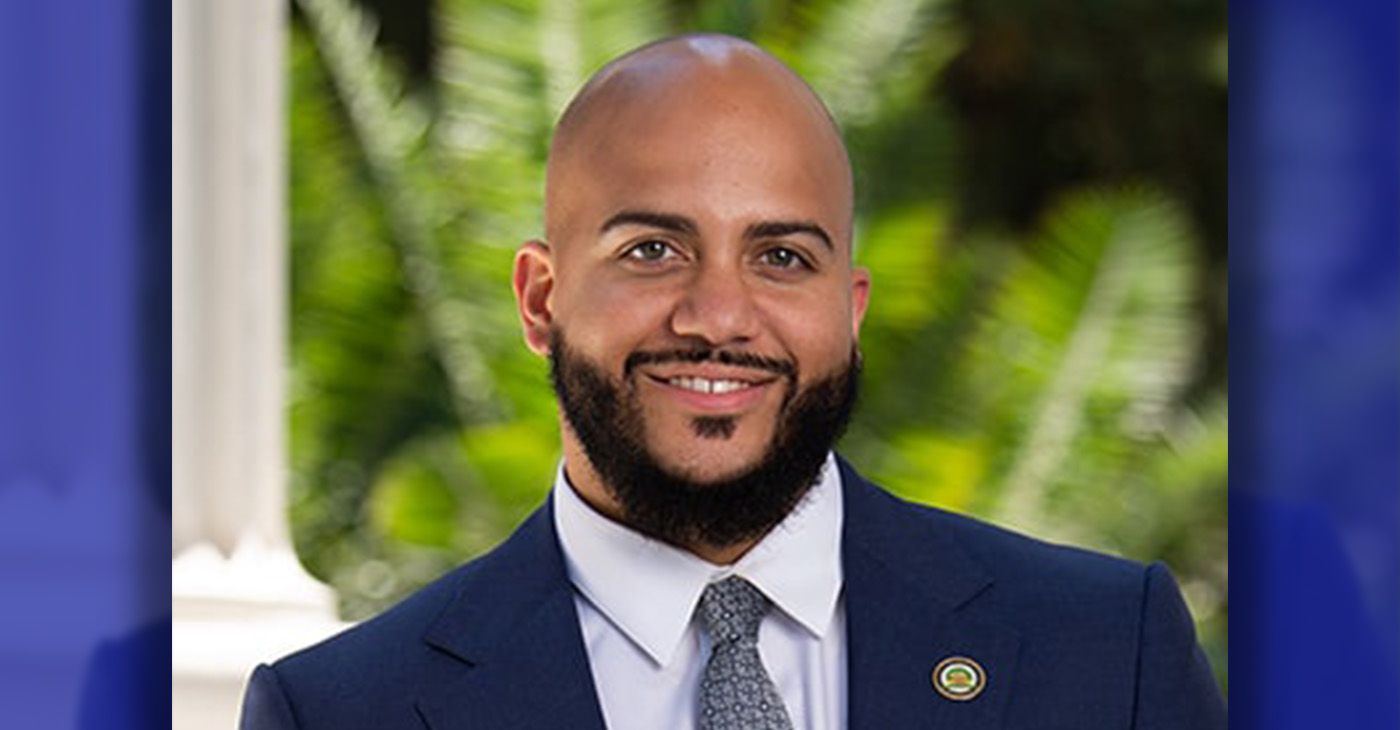
By Bo Tefu, California Black Media
On May 26, the California State Assembly passed legislation to provide direct financial assistance to families harmed by pollution from a major urban oil field in South Los Angeles.
Assembly Bill (AB) 1661, introduced by Assemblymember Isaac Bryan (D-Ladera Heights), cleared the Assembly floor with a 44-10 vote after lawmakers concluded debate on the measure.
The bill would direct money from a community repair fund toward families who suffered negative health effects from living near what Bryan described as the state’s largest toxic urban oil field. The repair fund was created under legislation approved two years ago that shut down the oil field and required polluters to contribute financially to community recovery efforts.
“All this bill does is allocate resources from that repair fund and direct cash assistance to families that have had negative health impacts as a result of living next to that oil field,” said Bryan during remarks on the Assembly floor.
Bryan called the proposal “the largest environmental reparations opportunity for South LA” and told lawmakers the bill had not received opposition during the legislative process.

The legislation is part of California’s broader push to address environmental justice concerns in communities historically exposed to industrial pollution. South Los Angeles residents and environmental advocates have long raised concerns about health risks associated with oil drilling operations near homes, schools and parks.
Supporters say the measure represents a new approach to environmental accountability by ensuring that communities affected by pollution directly benefit from funds collected from responsible companies.
After debate concluded, Assembly leadership opened the roll call vote, and the measure passed with majority support from lawmakers.
AB 1661 now moves to the Senate for further review.
WORK FROM HOME
Home-based business with potential monthly income of $10K+ per month. A proven training system and website provided to maximize business effectiveness. Perfect job to earn side and primary income. Contact Lynne for more details: Lynne4npusa@gmail.com 800-334-0540


Diabetes in Black California: Turning the Tide from Crisis to Control

Oakland Post: Week of July 1 – 7, 2026

Prescott Circus Theatre Presents Free Summer Performance Series

NPRC Joins National Grand Jury Proceedings Seeking Accountability, Constitutional Restoration

Local Civil Rights Attorney, Activist Walter Riley Reveals Life Lessons from 70 Years in the Movement

50 Years Later, ‘Wake Up Everybody!’ Still Resonates During Black Music

Inaugural Juneteenth Awards Ceremony Celebrates the Fillmore’s Black History, Leadership and Resilience

Thousands Come Out to Celebrate Juneteenth in Richmond

East Oakland COGIC Celebrates Re-Dedication

Black Repertory Group Needs Volunteers to Help Shape the Next Generation of Artists and Leaders

Oakland Post: Week of June 24 – 30, 2026


Oakland Museum Presents Landmark Retrospective Celebrating Beloved Bay Area Artist Mildred Howard

Ferry Fares to Increase July 1 as Ridership Hits Record Highs

Stop the Hate Symposium Brings Oakland Together Through Dialogue, Partnership, and Community Healing

After 10-Year Wait, Fillmore Heritage Center Reopens in San Francisco

Oakland Post: Week of June 3 – 9, 2026

Oakland Post: Week of May 27 – June 2, 2026

COMMENTARY: Black Music is the Sound of Black Freedom: Let Us Reclaim Both This Juneteenth

2026 World Cup is Here and Atlanta is Ready For It

5 Cleveland Police Officers Injured, Gunfire Erupts During East Side Pursuit

Oakland Director Boots Dazzles Once Again in ‘I Love Boosters’

Oakland Post: Week of June 10 – 16, 2026

Sale of Coliseum to African American Developers Moves Toward Completion

Oakland Post: Week of June 17 – 23, 2026

Venus Williams Calls a Sabalenka Exit a Tragedy

COMMENTARY: Using Art, Healing, And Community to Transform Mental Health Dialogue

Study: Waiting Lists for Child Care Assistance Nearly Doubled
Ferry Fares to Increase July 1 as Ridership Hits Record Highs

The Conversation With Al McFarlane 6/23/26

Media Monday 6/22/26

LIVE! ASK ALMA! — TUES. 6.23.26 7PM EST

Car Buying Secrets: 4 Hidden Checks Before You Sign!

Is This 550 HP Charger Worth YOUR Money? AutoNetwork Review

Celebrating Juneteenth – Frederick Douglass on education and resistance

LIVE! — ASK ALMA! — TUES. 6.19.26 7PM EST

Hyundai Ioniq 5 Parking, Safety, and 360 View #shorts

2025 Ioniq 5 New Wiper & Powerful Performance! #shorts

Electric SUV Range: Is 259 Miles Enough? #shorts

EV Charging: How Fast Can You Charge an Electric Vehicle? #shorts

Biometric Cooling… Messaging Seats…Come on! 2025 Infiniti QX80 Autograph 4WD

Charged Up: Witness the Magic of a Fully Electric Car! #shorts

Range Rover Sport PHEV Included…: See What’s Inside This Luxury SUV! #shorts

Invisible Hood View: Perfect Parking with X-Ray Vision! #shorts
-
 Art4 weeks ago
After 10-Year Wait, Fillmore Heritage Center Reopens in San Francisco
-
 Activism4 weeks ago
Oakland Post: Week of June 3 – 9, 2026
-
 Arts and Culture4 weeks ago
COMMENTARY: Black Music is the Sound of Black Freedom: Let Us Reclaim Both This Juneteenth
-
 Art4 weeks ago
Oakland Director Boots Dazzles Once Again in ‘I Love Boosters’
-
 Activism2 weeks ago
 -
 Activism4 weeks ago
Oakland Post: Week of June 10 – 16, 2026
-
 Business3 weeks ago
Sale of Coliseum to African American Developers Moves Toward Completion
-
 Activism2 weeks ago
Oakland Post: Week of June 17 – 23, 2026
