Special to the NNPA from the Afro-American Newspaper
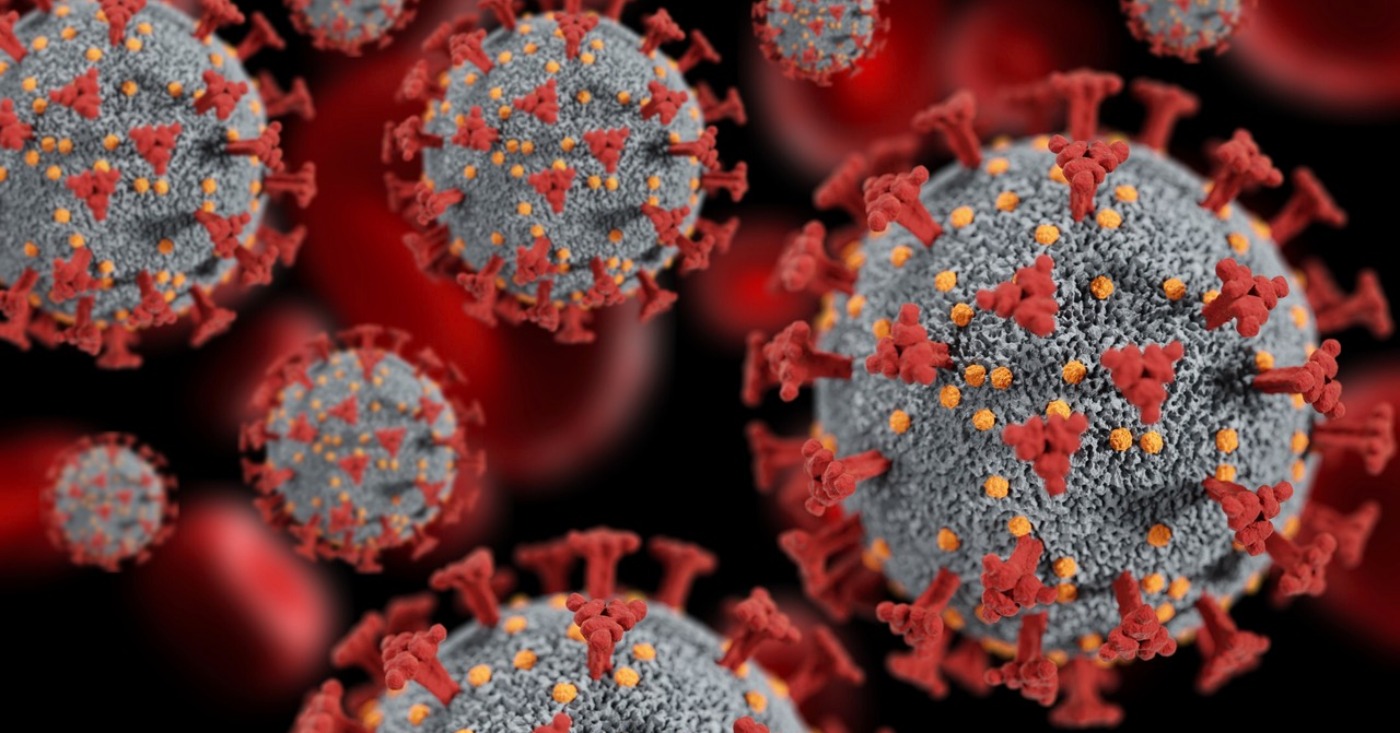
Many fans of the late comedian Bernie Mac recognize sarcoidosis as the inflammatory disease of the lungs that took his life. Believed to be caused by a bacterial or viral infection that produces restrictive granules or nodules, sarcoidosis travels from one organ to others, destroying tissue wherever it lands. With heart sarcoidosis, nodules develop in the heart, interfering with its electrical conduction system and causing an abnormal heart beat.
Denise Duncan, who shared her story of living with sarcoidosis with the American Heart Association said her condition actually began with a diagnosis of congestive heart failure.
“I was diagnosed with sarcoidosis in my lungs in 2001 and was in bad shape and a bad stage. I still get choked up thinking back. I had close friends at a local funeral home who had heard about this sickness, and they did some checking along with the doctor. I was told that sarcoidosis moves around and about three years ago it attacked my heart on the left bottom side. Anything this sickness touches, it hardens and can leave my heart and travel to another part of my body. My heart, however, is messed up forever,” Duncan said.
The exact cause of sarcoidosis is not known; however, it does appear in some families and may be linked to a genetic susceptibility. Other research suggests that its prevalence among African Americans and Western Europeans (Scandinavian, German, and Irish) points to its origin as a mixture of genetic predisposition and environmental cues.
Because sarcoidosis can escape diagnosis or be mistaken for several other diseases, we can only guess at how many people are affected. Sarcoidosis mainly affects people between 20 to 40 years of age. White women are just as likely as White men to get sarcoidosis, but the African-American female gets sarcoidosis twice as often as African-American males.
A review of African-American sarcoidosis patients by the American Lung Association found that 90 percent had at least one other disease, including: high blood pressure or hypertension (39 percent), diabetes mellitus (19 percent), anemia (19 percent), asthma (15 percent), gastro-esophageal reflux disease, (15 percent), depression (13 percent) and heart failure (10 percent).
Cardiac sarcoidosis may also cause the heart to become enlarged, a condition known as cor pulmonale that can lead to heart failure if left untreated. A complete heart blockage or a heart rate below 40 beats per minute, palpitation, irregular heart rhythm, and dizziness are some of the major symptoms, but many sarcoidosis patients with heart involvement are symptom free.
The prognosis for surviving sarcoidosis is primarily dependent upon the degree of lung and cardiac involvement, and the prognosis changes substantially in patients with symptomatic cardiac sarcoidosis. Cardiac involvement is the second leading cause of death and accounts for up to 25 percent of disease-associated mortality, due primarily to progressive heart failure.
Sarcoidosis affects about 135,000 Americans, occurring nearly 10 times as frequently in Blacks as in Whites.
NPRC Elder Justice Symposium Invites Community to Join Effort to Protect Alameda County Elders
“Two of our most vulnerable populations are elders and the disabled, and many times that combination resides in one individual,” said Tanya Dennis, lead facilitator of NPRC. “At our symposium, NPRC will bring decision makers and elders together in one space for a day to develop strategy and policy to protect and empower.”
The National Probate Reform Coalition (NPRC) will host an Elder Justice Symposium on Friday, Sept. 25, from 9 a.m. to 5 p.m. at Oakland City Hall, bringing elders, families, advocates, policymakers and community leaders together to address elder abuse, financial exploitation and problems within probate and conservatorship systems.
The symposium is designed to inform and empower the community while developing strategies and policies to better protect Alameda County’s vulnerable elders and disabled residents.
“Two of our most vulnerable populations are elders and the disabled, and many times that combination resides in one individual,” said Tanya Dennis, lead facilitator of NPRC. “At our symposium, NPRC will bring decision makers and elders together in one space for a day to develop strategy and policy to protect and empower.”
Dennis said NPRC has drafted proposed legislation intended to make conservatorship a true last resort by adding safeguards before and after a petition is filed. Proposals include mandatory private mediation before entering probate and placement of an ombudsman in probate proceedings to advocate for the rights and interests of prospective or current conservatees.
The coalition also wants stronger protections for elders’ estates and assets, arguing that money accumulated over a lifetime should be preserved for elders, families and intended beneficiaries rather than unnecessarily depleted by court-related expenses.
NPRC meets monthly through Zoom and has expanded into a national coalition because elder abuse, financial exploitation and guardianship and conservatorship concerns extend well beyond Alameda County.
“Members share horror stories of being isolated from their parents and children, many times physically abused and overmedicated; seeing estates drained for court costs, and assets that parents spent decades saving to leave a legacy depleted instead and going to strangers,” said Venus Gist, an NPRC co-facilitator and former victim of the probate system. Gist said she spent more than $80,000 trying to protect her parents’ estate.
“Eighty thousand dollars is nothing compared to the people in our group losing millions and having to sell their businesses and homes to pay court fees,” she said.
The symposium will also examine forms of elder exploitation including telephone scams, bank fraud, identity theft, family financial abuse and exploitation by trusted individuals. Participants will learn to recognize warning signs involving caregivers, financial professionals, health and social service workers, attorneys and guardians.
NPRC is seeking a California lawmaker willing to champion legislation that strengthens elder protections and increases accountability in the conservatorship process.
The symposium follows Supervisor Nate Miley’s 23rd Annual Healthy Living Festival on Thursday, Sept. 24, at the Oakland Zoo. The free event for adults 55 and older will feature health screenings, vaccinations, nearly 100 community resource booths, lunch, entertainment and complimentary zoo admission for eligible attendees.
Dennis said the two events offer a comprehensive two-day focus on elder well-being.
“The health fair will cover the physical care of our elders, and the next day NPRC’s symposium will cover the mental and social health,” Dennis said. “Together, we are offering a comprehensive two days of care for Alameda County elders.”
Both events are free, and advance registration is recommended because space is limited. Community members, elders, families, advocates and public officials are encouraged to participate. Breakfast and lunch will be served at both events.
INDIANAPOLIS RECORDER — Episode 4 of the Second Half of Life Podcast features hosts Thomas Griffin and Andrea McGordon in conversation with Joel Hungate, Assistant Vice President of Strategy & Integrated Wellbeing at Hancock Health. Hungate, a biomedical engineer, health adventurer, and Netflix-featured survivalist, discusses reinvention, personal reflection, confidence, and building lasting health beyond age 50.
Strength doesn’t disappear when you turn 50- it evolves. Just as growth is a lifelong journey, becoming stronger happens every day. The second half of life is not the beginning of decline; it is the horizon of a stronger, healthier, more confident, and happier version of yourself.
In Episode 4 of the Second Half of Life Podcast, hosts Thomas Griffin and Andrea McGordon sit down with Joel Hungate, Assistant Vice President of Strategy & Integrated Wellbeing at Hancock Health, biomedical engineer, health adventurer, and Netflix-featured survivalist, for a compelling conversation on reinvention, personal reflection, confidence, and building lasting health after 50.
Drawing from his professional expertise and extraordinary life experiences, Joel challenges many of the myths surrounding aging and demonstrates that the years after 50 can be filled with purpose, adventure, and renewed strength.
The Door Doesn’t Shut at Your Second Half
One of the most memorable moments from the conversation came when Joel Hungate shared a simple yet profound truth:
“The door doesn’t shut at 50.”
Far too many people believe that once they reach the second half of life, opportunities begin to disappear. Joel offers a refreshing perspective, reminding viewers that age does not determine potential. Instead, the years after 50 present an opportunity to reflect on your experiences, redefine your purpose, and confidently pursue new goals.
Whether you’ve always wanted to travel, learn a new skill, improve your health, or simply become the best version of yourself, your second half is not a limitation; it’s an invitation.
Find a Version of Strength Training That Works for You
When people hear the words strength training, many immediately picture lifting heavy weights in a gym. Joel Hungate believes strength looks different for everyone.
You don’t need an expensive fitness membership to become stronger. Walking after dinner, climbing stairs, carrying groceries, hiking with friends, cycling, resistance exercises, or simply staying physically active can all help build strength and preserve independence as you age.
Joel encourages people 50 and over to find a form of movement they genuinely enjoy because consistency not intensity, is what transforms health over time. One practical habit he recommends is taking a walk after dinner, a simple routine that benefits both physical health and overall wellbeing.
Frailty has become one of the greatest health challenges affecting those over 50, yet many people don’t realize that it is not an inevitable part of aging.
During the conversation, Joel explains how maintaining muscle strength, staying active, and making intentional lifestyle choices can significantly reduce the risk of frailty while supporting healthy weight management.
Rather than accepting weakness as a normal part of growing older, he challenges listeners to adopt habits that preserve mobility, resilience, and independence for years to come.
If you’ve ever wondered how to stay strong and capable well into your later years, this conversation offers practical insights that could change the way you think about aging.
Eating Better Isn’t the Goal for a Healthy You- Here’s What Is
One of Joel’s most thought-provoking statements during the episode was:
“When we think health is an end goal, it never works.”
Health is not a destination that we eventually arrive at, it is a lifelong journey shaped by daily decisions.
Joel explains that while nutritious eating is important, lasting health is built through a combination of purposeful movement, meaningful relationships, quality sleep, continual learning, and embracing new adventures. Healthy living is about creating a lifestyle that allows you to enjoy life, not simply following another diet.
This refreshing perspective encourages viewers to shift their focus from chasing perfection to building sustainable habits that support long-term wellbeing.
More Than a Conversation- A Blueprint for Living Stronger
Episode 4 of the Second Half of Life Podcast is more than an inspiring discussion- it is a practical guide for anyone determined to thrive after 50.
Joel Hungate shares expert insights, personal experiences, and actionable advice that challenge outdated beliefs about aging. His message is clear: strength doesn’t fade with age unless we stop investing in it.
If you’re ready to eliminate the fear of frailty, build lasting confidence, and embrace the adventure that awaits in the second half of life, this episode is one you won’t want to miss.
Watch the full episode now and discover how to grow stronger after 50.
INDIANAPOLIS RECORDER — Episode 4 of the Second Half of Life Podcast features hosts Thomas Griffin and Andrea McGordon in conversation with Joel Hungate, Assistant Vice President of Strategy & Integrated Wellbeing at Hancock Health. Hungate, a biomedical engineer, health adventurer, and Netflix-featured survivalist, discusses reinvention, personal reflection, confidence, and building lasting health beyond age 50.
Strength doesn’t disappear when you turn 50- it evolves. Just as growth is a lifelong journey, becoming stronger happens every day. The second half of life is not the beginning of decline; it is the horizon of a stronger, healthier, more confident, and happier version of yourself.
In Episode 4 of the Second Half of Life Podcast, hosts Thomas Griffin and Andrea McGordon sit down with Joel Hungate, Assistant Vice President of Strategy & Integrated Wellbeing at Hancock Health, biomedical engineer, health adventurer, and Netflix-featured survivalist, for a compelling conversation on reinvention, personal reflection, confidence, and building lasting health after 50.
Drawing from his professional expertise and extraordinary life experiences, Joel challenges many of the myths surrounding aging and demonstrates that the years after 50 can be filled with purpose, adventure, and renewed strength.
The Door Doesn’t Shut at Your Second Half
One of the most memorable moments from the conversation came when Joel Hungate shared a simple yet profound truth:
“The door doesn’t shut at 50.”
Far too many people believe that once they reach the second half of life, opportunities begin to disappear. Joel offers a refreshing perspective, reminding viewers that age does not determine potential. Instead, the years after 50 present an opportunity to reflect on your experiences, redefine your purpose, and confidently pursue new goals.
Whether you’ve always wanted to travel, learn a new skill, improve your health, or simply become the best version of yourself, your second half is not a limitation; it’s an invitation.
Find a Version of Strength Training That Works for You
When people hear the words strength training, many immediately picture lifting heavy weights in a gym. Joel Hungate believes strength looks different for everyone.
You don’t need an expensive fitness membership to become stronger. Walking after dinner, climbing stairs, carrying groceries, hiking with friends, cycling, resistance exercises, or simply staying physically active can all help build strength and preserve independence as you age.
Joel encourages people 50 and over to find a form of movement they genuinely enjoy because consistency not intensity, is what transforms health over time. One practical habit he recommends is taking a walk after dinner, a simple routine that benefits both physical health and overall wellbeing.
Frailty has become one of the greatest health challenges affecting those over 50, yet many people don’t realize that it is not an inevitable part of aging.
During the conversation, Joel explains how maintaining muscle strength, staying active, and making intentional lifestyle choices can significantly reduce the risk of frailty while supporting healthy weight management.
Rather than accepting weakness as a normal part of growing older, he challenges listeners to adopt habits that preserve mobility, resilience, and independence for years to come.
If you’ve ever wondered how to stay strong and capable well into your later years, this conversation offers practical insights that could change the way you think about aging.
Eating Better Isn’t the Goal for a Healthy You- Here’s What Is
One of Joel’s most thought-provoking statements during the episode was:
“When we think health is an end goal, it never works.”
Health is not a destination that we eventually arrive at, it is a lifelong journey shaped by daily decisions.
Joel explains that while nutritious eating is important, lasting health is built through a combination of purposeful movement, meaningful relationships, quality sleep, continual learning, and embracing new adventures. Healthy living is about creating a lifestyle that allows you to enjoy life, not simply following another diet.
This refreshing perspective encourages viewers to shift their focus from chasing perfection to building sustainable habits that support long-term wellbeing.
More Than a Conversation- A Blueprint for Living Stronger
Episode 4 of the Second Half of Life Podcast is more than an inspiring discussion- it is a practical guide for anyone determined to thrive after 50.
Joel Hungate shares expert insights, personal experiences, and actionable advice that challenge outdated beliefs about aging. His message is clear: strength doesn’t fade with age unless we stop investing in it.
If you’re ready to eliminate the fear of frailty, build lasting confidence, and embrace the adventure that awaits in the second half of life, this episode is one you won’t want to miss.
Watch the full episode now and discover how to grow stronger after 50.
Home-based business with potential monthly income of $10K+ per month. A proven training system and website provided to maximize business effectiveness. Perfect job to earn side and primary income. Contact Lynne for more details: Lynne4npusa@gmail.com 800-334-0540