
Bay Area
2024 Local Elections: Q&A for Oakland Unified School Candidates, District 1
The Post reached out to the eight candidates across Districts 1, 3, 5, and 7 to see what their views are on various topics concerning the OUSD community. Below are questions and answers from District 1 candidates Rachel Latta and Ben Salop.
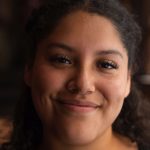

By Magaly Muñoz
Oakland residents will soon vote for new school board directors in four separate districts across the city.
The Post reached out to the eight candidates across Districts 1, 3, 5, and 7 to see what their views are on various topics concerning the OUSD community. Below are questions and answers from District 1 candidates Rachel Latta and Ben Salop.
Responses have been edited for length and clarity.
Q1: What do you think the biggest challenge will be to address while on the board?
Salop: The biggest challenge that we have to address as a board, and as a district, is the lack of trust that our parents and our community members have in the district.
In a lot of issues, we’ve seen that parents who are more interested are more likely to work with their students and their educators for early reading partners, which has measurable successes in increasing grade-level reading rates. So if we can get serious on [community engagement], then it’ll be a lot easier to target the budget. As well as, student success, scores, student achievement, college and career readiness, equity, inclusion, all the other issues that require community trust.
Latta: Change is hard, but fundamental change in how our district is structured is needed. I am committed to working to address systemic inequities in our schools by creating a more equitable, student centered district.

[Solutions include] making difficult and necessary budget choices that center students without reinforcing some of the harmful and inequitable decision-making of the past. We also need to address difficult, but necessary systemic inequities in our enrollment process that contribute to segregation and uneven distribution of attendance.
I will create space for community engagement outside of board meetings by taking the discussions out to the community, with regular office hours, school site listening sessions and direct outreach to families.
Q2: Given the large financial debt OUSD has and the looming threat of school closures, how will you ensure that funding for essential resources remain for students? What ideas do you have that do not include closing down schools?
Salop: The first thing we have to do is to listen to our students on what’s most important. We can’t have a concrete strategy to balance the budget or identify priorities by just saying we’re going to have an open conversation.
OUSD project management skills are awful. We have probably lost a ton of money in the 10s of millions of dollars in the last decade, just from poor management skills and poor administration. That is a rough guess by my own back of the envelope calculations. If we don’t figure out how we’re going to do that by auditing our dollars and appointing qualified independent project managers, we won’t be able to use our money any more effectively. And resolving that issue is one of the ways to reduce our deficit.
Latta: We need to do everything we can to protect positions that most directly impact students at our school sites. I would like to direct OUSD to thoroughly examine the scope of work for all central positions in order to understand what is duplicative and whose work is not reaching our sites as successfully as we intend. This includes talking with sites to understand the effectiveness of how these positions directly contribute to the day to day operations of our school sites and authentically contribute to student success and well-being.
As a board member, I will create space for community engagement outside of board meetings by taking the discussions out to the community, with regular office hours, school site listening sessions and direct outreach to families.
Q3: Students have reported feeling as though there is not enough inclusivity amongst their peers, often feeling a divide with those of other race and ethnic backgrounds. What do you think is the best way to foster an environment where students are not feeling excluded because of their differences to peers?
Salop: The first thing to do is to look at our curriculum and see how our school sites and what we’re teaching our students is helping to perpetuate this issue.
What I like to do, and what I will continue to do, is to communicate with students and parents and talk to them and let their approaches and ideas drive the policy making of the district. [I’ve participated] in an OUSD-wide advisory body with students from every single school, and that was a way for us to have these conversations and think about the ways in which schools and students were divided, and how that created a culture of intolerance. And I think supporting that measure and expanding it across our schools is really important just getting our students to work more closely.
Latta: We need to prioritize explicit site-based professional development opportunities for teachers and all staff. We also need to create concrete opportunities for students to learn from each other and about each other in the school day, including building the social-emotional tools needed for students to understand what inclusively really looks like in peer relationships.
Finally, schools should focus efforts on finding ways for students to connect through common interests, such as sports or the arts, and use them as a tool for connection for students from different backgrounds.






Activism
Oakland Post: Week of March 18 – 24, 2026
The printed Weekly Edition of the Oakland Post: Week of March 18 – 24, 2026

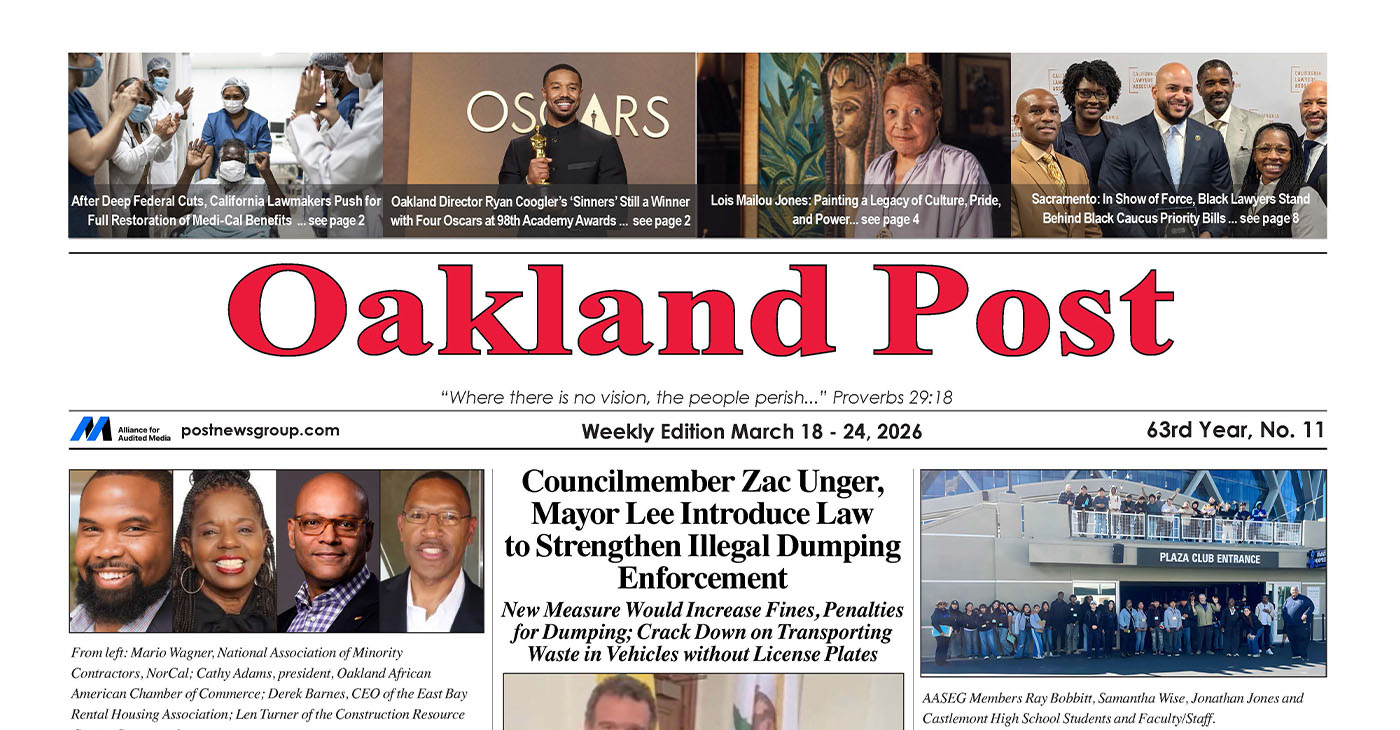
To enlarge your view of this issue, use the slider, magnifying glass icon or full page icon in the lower right corner of the browser window.

Activism
Oakland Post: Week of March 11 -17, 2026
The printed Weekly Edition of the Oakland Post: Week of March 11 – 17, 2026
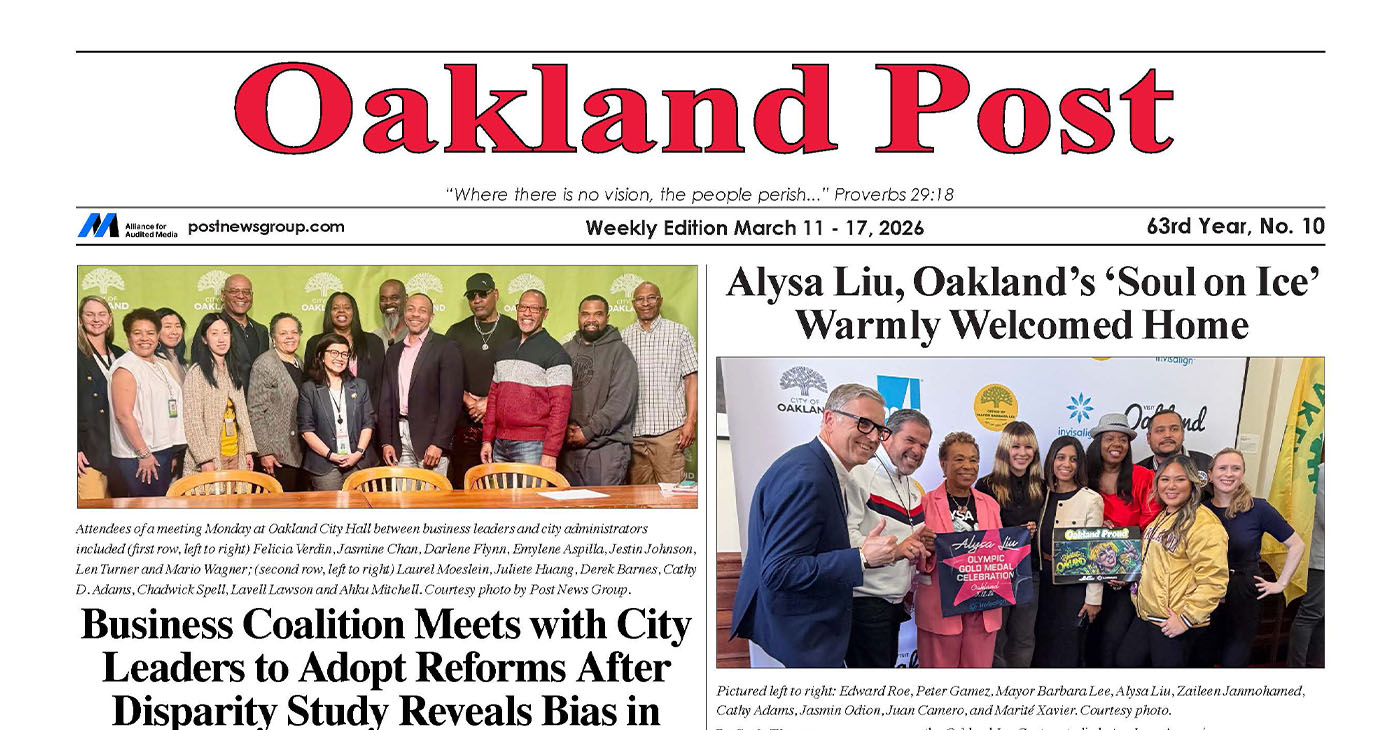
To enlarge your view of this issue, use the slider, magnifying glass icon or full page icon in the lower right corner of the browser window.
Activism
Oakland Post: Week of March 4 – 10, 2026
The printed Weekly Edition of the Oakland Post: Week of March 4 – 10, 2026
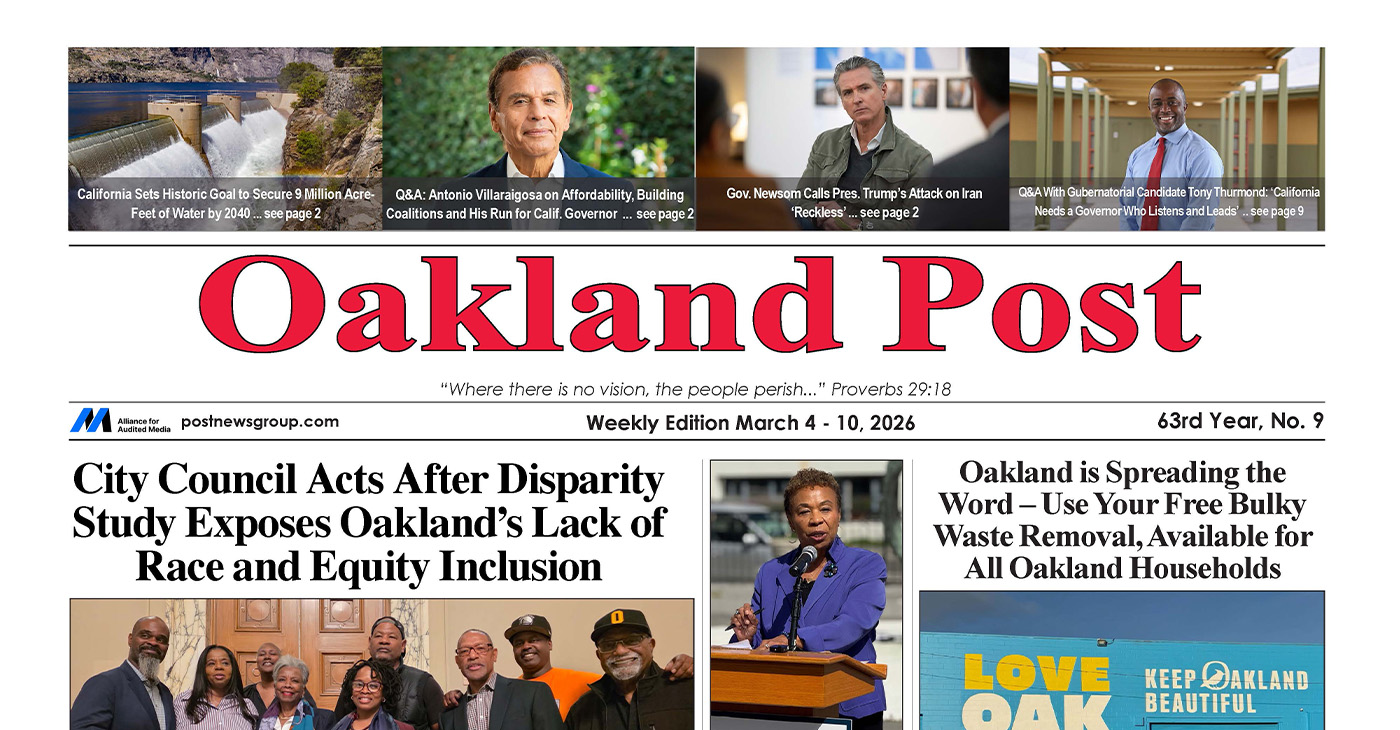
To enlarge your view of this issue, use the slider, magnifying glass icon or full page icon in the lower right corner of the browser window.


WORK FROM HOME
Home-based business with potential monthly income of $10K+ per month. A proven training system and website provided to maximize business effectiveness. Perfect job to earn side and primary income. Contact Lynne for more details: Lynne4npusa@gmail.com 800-334-0540


Black Artists in America, Installation Three Wraps at the Dixon Gallery and Gardens

Grief, Advocacy, and Education: A Counselor Reflects on Black Maternal Health

Future of Florida’s Black History Museum in Limbo

New Research Shows the Many Benefits of Early Learning

South Hampton K-8 Students Among Top 10 Finalists for Samsung’s ‘Solve for Tomorrow’ Competition

Cuba: No Negotiation with US on the President or Political System

Brooklyn Academy of Music Names Jamaican-Born Tamara McCaw as President

Trinidad & Tobego – U.S. Launches WhatsApp Channel for American Citizens in the Country

Oakland Post: Week of March 18 – 24, 2026

AI Innovation vs. Ethics and Environmental Impact

AI, Web3, and Digital Reparations

What If You Owned Your AI Agent?

Season 7, Episode 3 – January Reporter’s Roundtable 📱

Season 7, Episode 3 – January Reporter’s Roundtable

AI, Media, and Power | Part 2, Real-World Impacts and Tradeoffs

Book Review: Books on Black History and Black Life for Kids

California Launches Study on Mileage Tax to Potentially Replace Gas Tax as Republicans Push Back

Community Celebrates Turner Group Construction Company as Collins Drive Becomes Turner Group Drive

Discrimination in City Contracts

COMMENTARY: The Biases We Don’t See — Preventing AI-Driven Inequality in Health Care

Black History Events in the East Bay

Post Newspaper Invites NNPA to Join Nationwide Probate Reform Initiative

Art of the African Diaspora Celebrates Legacy and Community at Richmond Art Center

New Bill, the RIDER Safety Act, Would Support Transit Ambassadors and Safety on Public Transit

COMMENTARY: The National Protest Must Be Accompanied with Our Votes

Oakland Post: Week of February 4 – 10, 2026

Oakland Post: Week of February 11 – 17, 2026

Dorothy Lee Bolden: Uniting Domestic Workers

After Don Lemon’s Arrest, Black Officials Raise Concerns About Independent Black Media

Reflecting on Black History Milestones in Birmingham AL

Hyundai Ioniq 5 Parking, Safety, and 360 View #shorts

2025 Ioniq 5 New Wiper & Powerful Performance! #shorts

Electric SUV Range: Is 259 Miles Enough? #shorts

EV Charging: How Fast Can You Charge an Electric Vehicle? #shorts

Biometric Cooling… Messaging Seats…Come on! 2025 Infiniti QX80 Autograph 4WD

Charged Up: Witness the Magic of a Fully Electric Car! #shorts

Range Rover Sport PHEV Included…: See What’s Inside This Luxury SUV! #shorts

Invisible Hood View: Perfect Parking with X-Ray Vision! #shorts

AI Is Reshaping Black Healthcare: Promise, Peril, and the Push for Improved Results in California

ESSAY: Technology and Medicine, a Primary Care Point of View

Sanctuary Cities

The RESISTANCE – FREEDOM NOW

STATE OF THE PEOPLE: Freddie

ECONOMIC BOYCOTT DAY!!!!!

I told You So
-
 #NNPA BlackPress4 weeks ago
Reflecting on Black History Milestones in Birmingham AL
-
 #NNPA BlackPress4 weeks ago
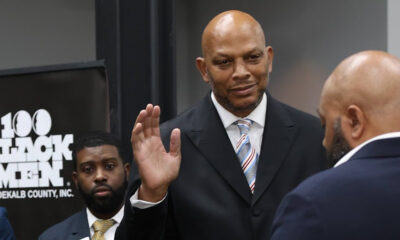
PRESS ROOM: NBA Hall of Fame Nominee Terry Cummings Joins 100 Black Men of DeKalb County to Launch Victory & Values Initiative
-

 #NNPA BlackPress4 weeks ago
U.S. manufacturing rebounds – how foundry services are adapting to rising demand
-

 Activism3 weeks ago
Oakland Post: Week of February 25 – March 3, 2026
-

 #NNPA BlackPress4 weeks ago
Trump’s MAGA Allies are Creating Executive Order Plan to Steal the 2026 Midterms
-

 #NNPA BlackPress4 weeks ago
OP-ED: One Hundred Years of Black Workers Telling the Truth
-

 #NNPA BlackPress4 weeks ago
Advancements in solar technology that are changing the way we power the world
-

 #NNPA BlackPress4 weeks ago
PRESS ROOM: Civil Rights TV Launches in Selma as the World’s First 24/7 Civil Rights Television Network
