
Activism
Oakland Post: Week of January 28, 2025 – February 3, 2026
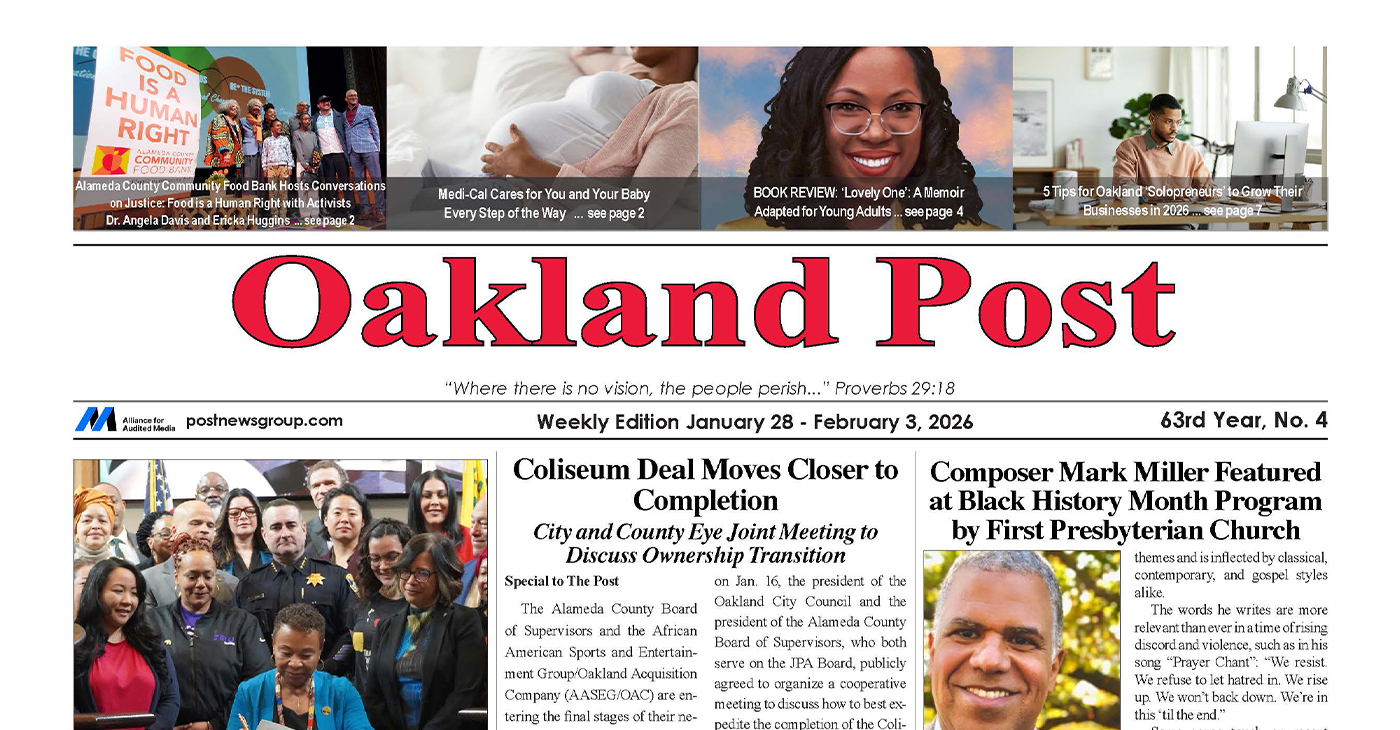
The printed Weekly Edition of the Oakland Post: Week of January 28, 2025 – February 3, 2026






Activism
Life Expectancy in Marin City, a Black Community, Is 15-17 Years Less than the Rest of Marin County
“Marin City residents have been fighting for years just to stay here. Residents live with the fear of being forced out, public housing torn down and rebuilt for the wealthy. Due to ongoing issues continually being ignored, residents feel they must be empowered to make their own decisions for the future survival and protection of their community,” said Terrie Green, a lifelong resident and executive director of Marin City Climate Resilience (MCCR).
By Ken Epstein
People may be aware of the existence of Marin City and know a little about its history as a center of U.S. resistance to fascism in the World War II. But fewer know of the community’s ongoing struggles to survive potential displacement while facing severe toxic health and environmental conditions on a daily basis.
These conditions cause chronic disease and premature death, dramatically shown in the sharp difference in life expectancy between Black and white people living in households only a few miles apart.
A historically African American enclave, Marin City, occupies a 0.5-square mile area between Mill Valley and Sausalito with its own freeway exit near the Golden Gate Bridge. In contrast, the rest of Marin County rates among the healthiest, wealthiest, and most environmentally friendly counties in the country. However, it is one of the least racially equitable counties in California, with Black residents being the most impacted, according to the Advancement Project, a civil rights organization,.
The community owes its continued existence to the World War II generation that came to the Bay Area from the South to work in the shipyards and to the resiliency of its residents. Despite often facing discriminatory practices, such as redlining and a segregated school district, Marin City residents have continually created a strong community rich in culture, spirituality, and community values.

The current statistics are brutal. At present, Marin City residents face more than a 17-year difference in life expectancy compared to neighboring cities and towns. Contributing to these conditions are a lack of investment in public housing and infrastructure: unsafe drinking water, air pollution caused by proximity to the U.S. 101 freeway, unsanitary stormwater drainage that produces mold and mildew, as well as old and broken lead pipes and sewage in homes.
As an unincorporated community, Marin City residents must rely primarily on the elected Marin County Board of Supervisors, Department of Public Works, Transportation Authority of Marin and Caltrans for the decisions and investments that impact their lives.
“Marin City residents have been fighting for years just to stay here. Residents live with the fear of being forced out, public housing torn down and rebuilt for the wealthy. Due to ongoing issues continually being ignored, residents feel they must be empowered to make their own decisions for the future survival and protection of their community,” said Terrie Green, a lifelong resident and executive director of Marin City Climate Resilience (MCCR).
MCCR’s focus is on environmental justice. Its purpose is to empower and advocate for individuals to embrace sustainable living, envision a future free of environmental harm and collectively work towards a better Marin City. MCCR’s motto is “Forever Marin City.”
MCCR has created a unique team of Marin City Youth Environmentalists who have studied and researched environmental issues impacting the health of the community.
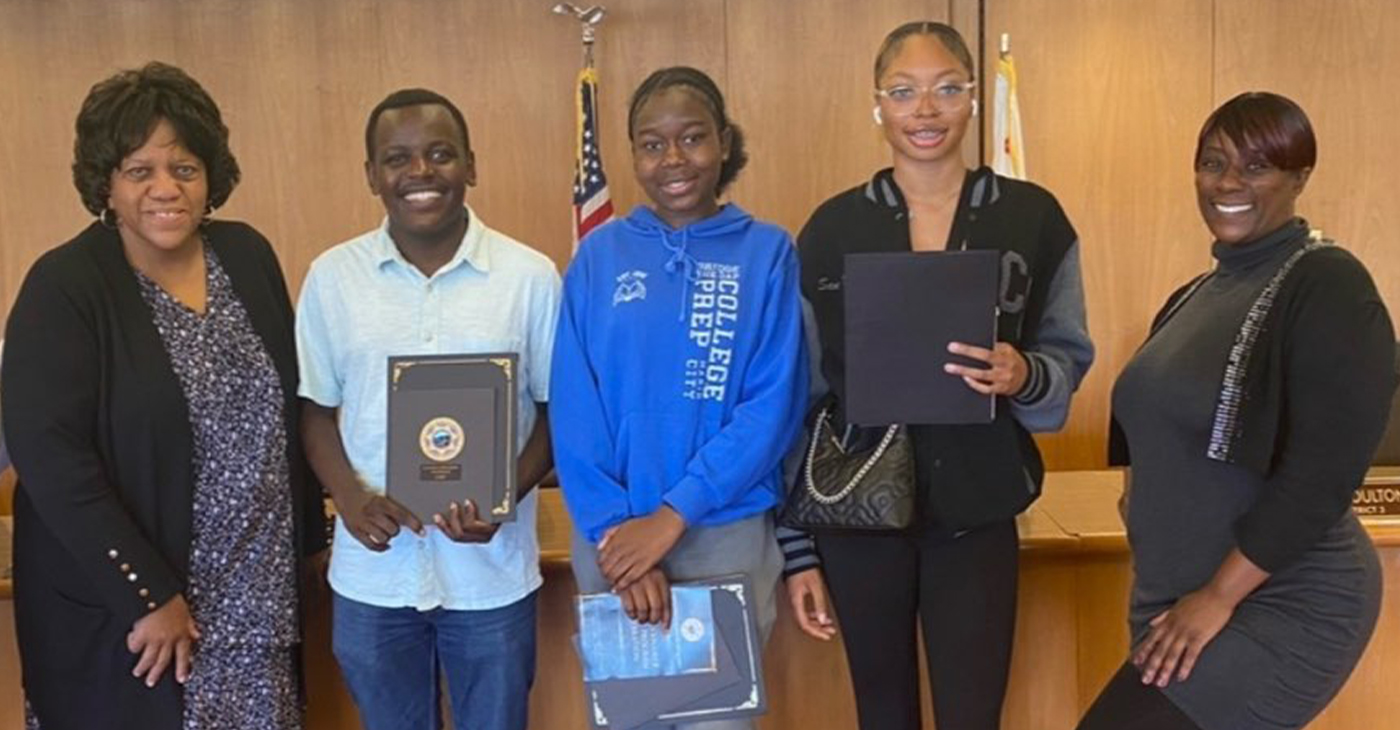
Serenity Allen is an MCCR Youth Coordinator/Young Environmentalist studying to be a medical social worker at Xavier University. She has been working in the community for six years. “I strongly believe that where you live should not determine how long you are able to live,” she said.
Allen referred to the work done by former Marin County Public Health Officer Dr. Matt Willis, who stated that Marin City has a 17-year life expectancy difference between residents of Marin City (77 years) and more affluent areas like Ross (94 years).
“The research shows this gap is heavily correlated with race and socioeconomic status. Sausalito, which is not even two miles outside of Marin City, has a life expectancy of 92 years,” Allen said.
“Many elements contribute to this gap,” she said. “A major factor may be the 12 acres of toxic flood waters that pour down off the highway into low-lying Marin City.
In addition, “We do not have a barrier wall protecting us along our highway; the rest of Marin County has 16 barrier walls to protect from noise and air pollution. Marin City has been fighting for a barrier wall since 2008,” she said.
Octavien Green, an MCCR high school environmentalist, spoke about the impact of the absence of recreational facilities on health and wellness, particularly for youth.
“Lack of investment in our recreational facilities means we have fewer spaces and opportunities for physical activity, which contribute to serious health problems like heart disease, diabetes, weak bones and low energy, especially for kids. We are presently involved in an ongoing struggle just to rebuild a sports ball field for the community that’s been unusable for the last 15 years.”
“Marin City is the center of Black culture for all of Marin County,” said Green. “Historically, though, the county has not invested in the community, and you see it in the life expectancy, the highest chronic disease and disability rates and eight times the amount of asthma. In the last six weeks, we’ve had three young people in their 40s and 50s die from heart attacks. This is alarming and must be addressed.”
Looking toward next steps, she said, “The way forward is through incorporation,” which would mean that Marin City would have its own elected leadership to find solutions that determine the future of the community.
This is the first in a series of articles on Marin City, examining conditions in the community and interviewing both community members and public officials.

Activism
Oakland Post: Week of January 21 – 27, 2026
The printed Weekly Edition of the Oakland Post: Week of January 21 – 27, 2026
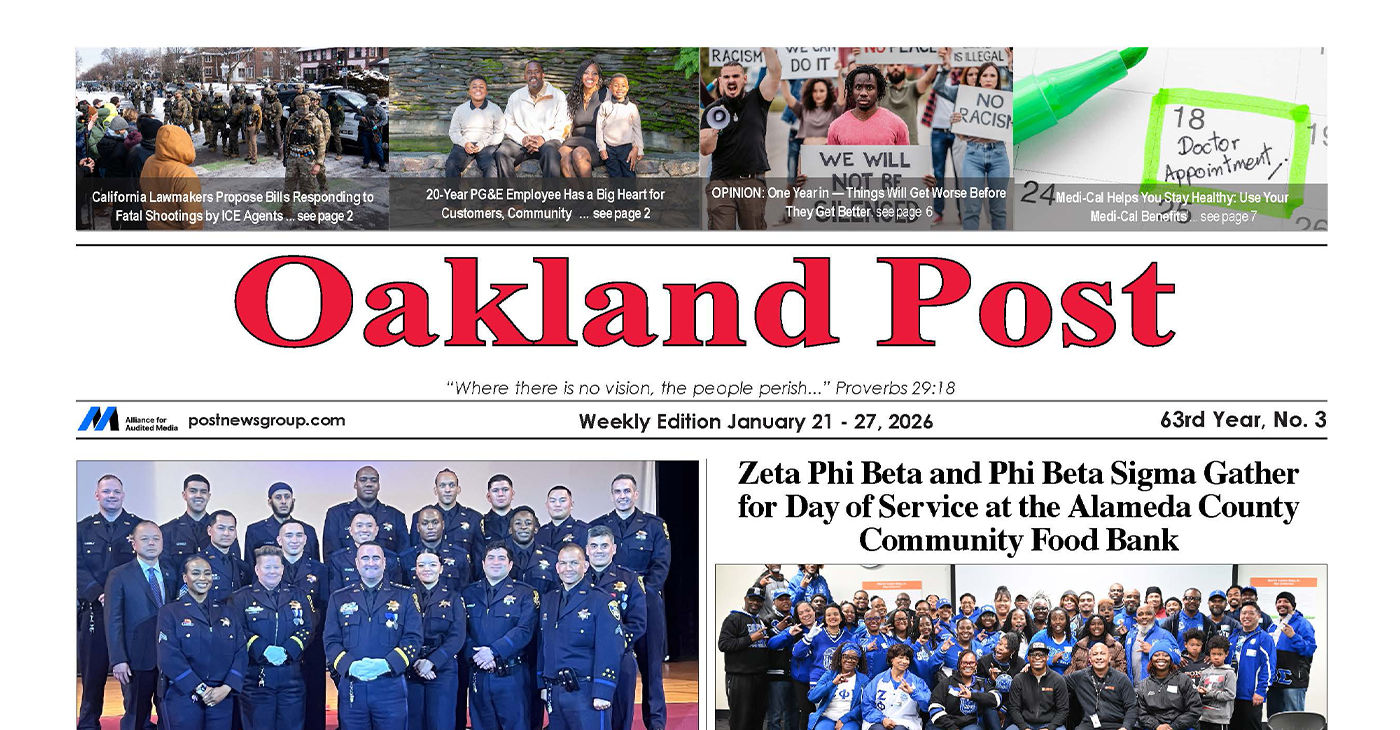
To enlarge your view of this issue, use the slider, magnifying glass icon or full page icon in the lower right corner of the browser window.
Activism
Why Peace on Earth Begins with Birth, a Q&A with Midwife Nikki Helms
In this Q&A with California Black Media, Helms reflects on what it would take to truly improve birthing services in the United States, why midwifery must be fully integrated into the healthcare system, and how trauma, safety and community shape birth experiences across a lifetime. Drawing on her clinical expertise and lived experience, Helms shares insights on building supportive birth environments, paying for care, and what every parent and baby deserves for a healthy start.
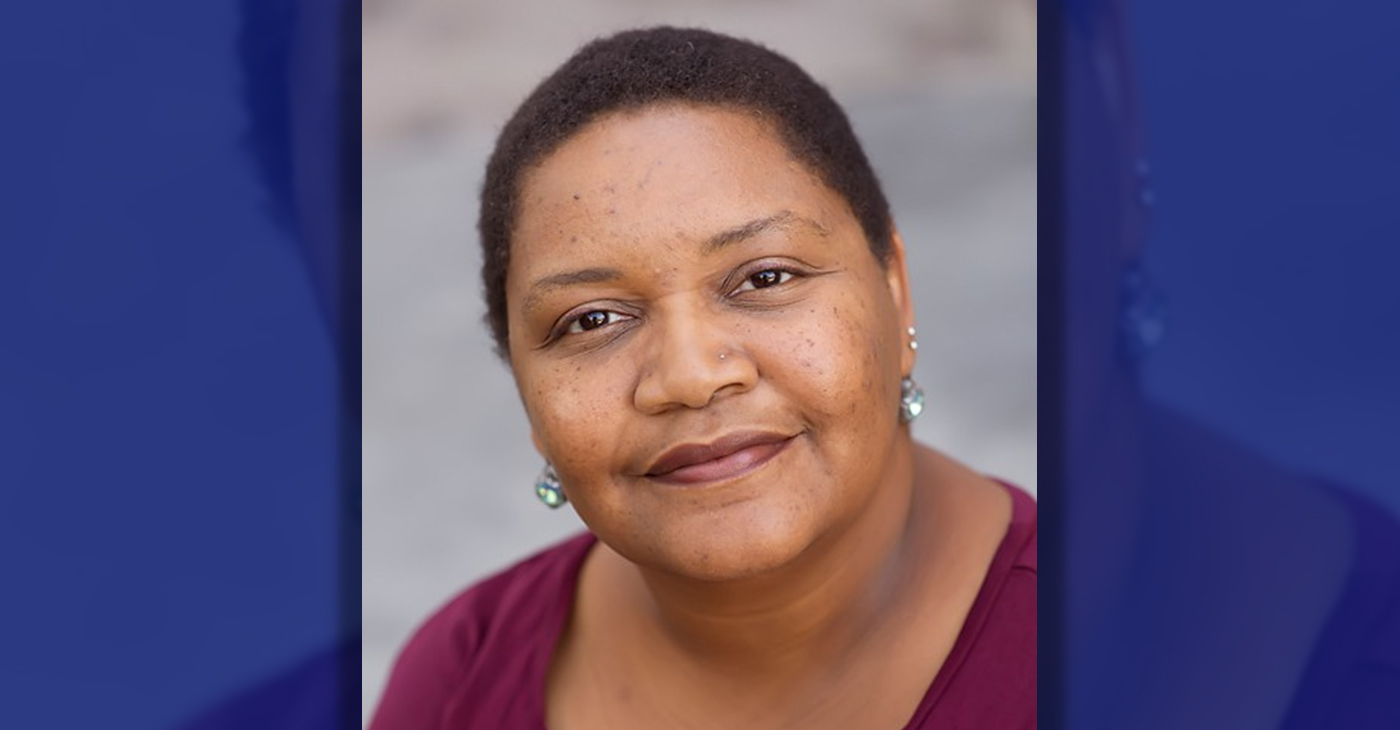
By Amanda Kim, California Black Media
Midwife and full-spectrum birthing care advocate Nikki Helms has spent nearly two decades supporting families through pregnancy, birth and the often-overlooked postpartum period in California.
A Certified Professional Midwife, lactation educator, and DONA-and CAPPA-trained labor and postpartum doula, Helms is known for her deeply personalized, in-home education, her community-centered workshops, and her unwavering belief that evidence-based care and informed consent are essential to healthy outcomes for parents and babies. As the founder of the San Diego Birth Center, she has helped create a welcoming, home-like alternative to hospital birth — one rooted in continuity of care, trDAt and deep listening.
In this Q&A with California Black Media, Helms reflects on what it would take to truly improve birthing services in the United States, why midwifery must be fully integrated into the healthcare system, and how trauma, safety and community shape birth experiences across a lifetime. Drawing on her clinical expertise and lived experience, Helms shares insights on building supportive birth environments, paying for care, and what every parent and baby deserves for a healthy start.
What is the one thing we could do to improve birthing services in the U.S.?
We need to integrate well-trained, super-experienced, certified professional midwives fully into the healthcare system. Over the last century, the medical community has excluded, and in some states, banned midwifery, which has impacted Black parents and babies the most and limited safe choices. Today, the U.S. spends more money than any other developed nation on maternity care with some of the worst outcomes — for Black families especially. The integration of professional midwives is long overdue.
What does a midwife do?
There are several types. I’m a certified professional midwife and founder of a birth center. But there are also midwives who come to your home, educators, lactation consultants, doulas who provide support and advocacy, and monitrices, who have clinical training and can support the mother before and after the birth.
How are birth centers and midwifery services different from traditional care?
A lot of people feel more at home in a birth center. They are often colorful, inviting, simple, and calm. People also feel more at home because we’ve supported them from six weeks into their pregnancy to six weeks after the birth. That’s nearly a year, so we’ve gotten to know them and understand their lives. This wonderful continuity can help us identify subtle issues later on, especially postpartum. A team of three midwives will always pick up on cues.
As a midwife, what does this work mean to you?
This work just fills my soul. It empties me out completely and fills me. It’s the look on someone’s face after their baby has been born. They are filled with an amazing clarity and a look that says, “I did it.” And I can say, “Yes, you did, and I’m not surprised at all because I believe in you to the depths of my soul.”
After helping so many parents and babies, how has this work changed you?
I often think that peace on earth begins with birth. There are so many things wrong with the world that we can trace back directly to the birth experience. So, if we take care of mothers and babies and create a community around birth, then we are raising children who will know what it means to be emotionally mature, to have boundaries and to feel safe. People who feel safe don’t start wars or get into a lot of trouble.
How do parents pay for midwifery services?
Midwives and birth centers often accept cash, payment plans, credit cards, and certain insurances, like Medi-Cal. I tell expectant parents to, “Put out a shoebox at your baby shower and ask for $20 a head and use that money to pay for your postpartum doula. Help yourself along the way.” People can also create online fundraisers.
If you were to give every parent and baby a healthy birth bag, what would be in it?
- Education, so you know what to expect physiologically and psychologically. Take out some of the surprises. For example, giving birth is generally bloodless, but not vomit-less.
- Support without judgment. That can be a partner, a doula, your mother, a partner’s mother, a best friend, aAnd if you have to pay for it, then do, because it’s worth every dime.
- Additional nutrition. We don’t want to take anything away from you, but we want to add the nutrition that will help you, your pregnancy and your baby.
- External connection, a place to tell your stories and listen to other stories. That’s how we build community.
- Two books: The Red Tent by Anita Diamant, which tells the stories of mothers in the Bible and how babies and the birth experience connect us all and The Happiest Baby on the Block by Dr. Harvey Karp, which combines science and wisdom.
- A little bit of “woo,” because I definitely believe that babies are incredibly spiritual beings. And birthing people are a passage for these spiritual beings. So, a lot of education, a lot of support, a lot of nutrition, and just a little bit of woo sprinkled on at the end, should cover it.
WORK FROM HOME
Home-based business with potential monthly income of $10K+ per month. A proven training system and website provided to maximize business effectiveness. Perfect job to earn side and primary income. Contact Lynne for more details: Lynne4npusa@gmail.com 800-334-0540


Life Expectancy in Marin City, a Black Community, Is 15-17 Years Less than the Rest of Marin County
Rest in Peace: A.M.E. Pastor and L.A Civil Rights Icon Cecil “Chip” Murray Passes
Court Throws Out Law That Allowed Californians to Build Duplexes, Triplexes and RDUs on Their Properties
Funds for Down Payments and Credit Repair Given to Black First Time Homebuyers
Black Leadership Council Honors California’s Three Black Constitutional Officers
Gov. Newsom, Other California Leaders, Pay Tribute to Baseball Great Willie Mays
Homegoing Service for Education Advocate Oscar Wright, 101
Scholarships Available for Marin City and Sausalito Students
Gov. Newsom Looks Back at 2024 Milestones; Presents Vision for 2025
State’s $3.4 Million Request to Shore Up Medi-Cal Sparks Immigration Debate
COMMENTARY: Diabetes – Should You Be Concerned?
Celebrate Father’s Day with These 3 Books

LIVE from the NMA Convention Raheem DeVaughn Says The Time Is Now: Let’s End HIV in Our Communities #2
TRUMP: “Washington, D.C. is Safe”
Rising Energy Costs Weigh Heaviest on Black Households

OP-ED: AB 1349 Puts Corporate Power Over Community

Desmond Gumbs — Visionary Founder, Mentor, and Builder of Opportunity

Bling It On: Holiday Lights Brighten Dark Nights All Around the Bay

Oakland Council Expands Citywide Security Cameras Despite Major Opposition

Black Arts Movement Business District Named New Cultural District in California

Alfred Cralle: Inventor of the Ice Cream Scoop

Oakland Post: Week of December 24 – 30, 2025

First 5 Alameda County Distributes Over $8 Million in First Wave of Critical Relief Funds for Historically Underpaid Caregivers

Lu Lu’s House is Not Just Toying Around with the Community

Oakland Post: Week of December 31, 2025 – January 6, 2026

Families Across the U.S. Are Facing an ‘Affordability Crisis,’ Says United Way Bay Area

2025 in Review: Seven Questions for Assemblymember Lori Wilson — Advocate for Equity, the Environment, and More

Big God Ministry Gives Away Toys in Marin City

2025 in Review: Seven Questions for Assemblymember Tina McKinnor, Champion of Reparations, Housing and Workers’ Rights

BOOK REVIEW: Let Me Be Real With You

Hyundai Ioniq 5 Parking, Safety, and 360 View #shorts

2025 Ioniq 5 New Wiper & Powerful Performance! #shorts

Electric SUV Range: Is 259 Miles Enough? #shorts

EV Charging: How Fast Can You Charge an Electric Vehicle? #shorts

Biometric Cooling… Messaging Seats…Come on! 2025 Infiniti QX80 Autograph 4WD

Charged Up: Witness the Magic of a Fully Electric Car! #shorts

Range Rover Sport PHEV Included…: See What’s Inside This Luxury SUV! #shorts

Invisible Hood View: Perfect Parking with X-Ray Vision! #shorts

AI Is Reshaping Black Healthcare: Promise, Peril, and the Push for Improved Results in California

ESSAY: Technology and Medicine, a Primary Care Point of View

Sanctuary Cities

The RESISTANCE – FREEDOM NOW

STATE OF THE PEOPLE: Freddie

ECONOMIC BOYCOTT DAY!!!!!

I told You So

-
 Activism4 weeks ago
OP-ED: AB 1349 Puts Corporate Power Over Community
-
 Activism3 weeks ago
Why Peace on Earth Begins with Birth, a Q&A with Midwife Nikki Helms
-
 Activism3 weeks ago
Protecting California’s Black Moms and Babies: Policies and Programs Struggle to Fix Deep-Rooted Maternal Health Inequities
-
 #NNPA BlackPress3 weeks ago
Jefferson County (AL) Democrats Open Qualifying for 2026 Primary Elections
-
 #NNPA BlackPress3 weeks ago
COMMENTARY: With Gratitude and Praise for 2026
-

 #NNPA BlackPress3 weeks ago
From Civil Rights to ICE Raids, Trump’s Unchecked Power Puts Every Community at Risk
-
#NNPA BlackPress3 weeks ago
From Civil Rights to ICE Raids, Trump’s Unchecked Power Puts Every Community at Risk
-

 #NNPA BlackPress2 weeks ago
OP-ED: The Dream Cannot be Realized Without Financial Freedom
