
Business
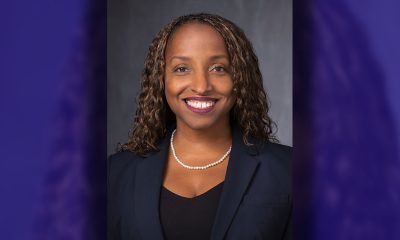
OP-ED: Proposition 44 Would Put a Price on Trust
The danger in Proposition 44 is not only its 90 percent figure. It is that the meaning of “qualifying” spending will be worked out later. A clinic preparing a budget today may not know whether a navigator, health educator, transportation program, outreach worker, technology upgrade, or other patient-support service will be counted the way it expects. Yet the financial consequence of getting it wrong could be immediate.













To enlarge your view of this issue, use the slider, magnifying glass icon or full page icon in the lower right corner of the browser window.

To enlarge your view of this issue, use the slider, magnifying glass icon or full page icon in the lower right corner of the browser window.

Business
Farms to Grow, Inc. Hosts the 8th Annual Sweet Potato Pie Tasting Contest
POST NEWS GROUP — For years, one baker dominated the competition and proudly held the Best N’ West crown. Then, in 2024, a longtime friend rose to the challenge and snatched the title away. Not to be outdone, the former champion reclaimed the crown in 2025, setting the stage for an exciting showdown this year.
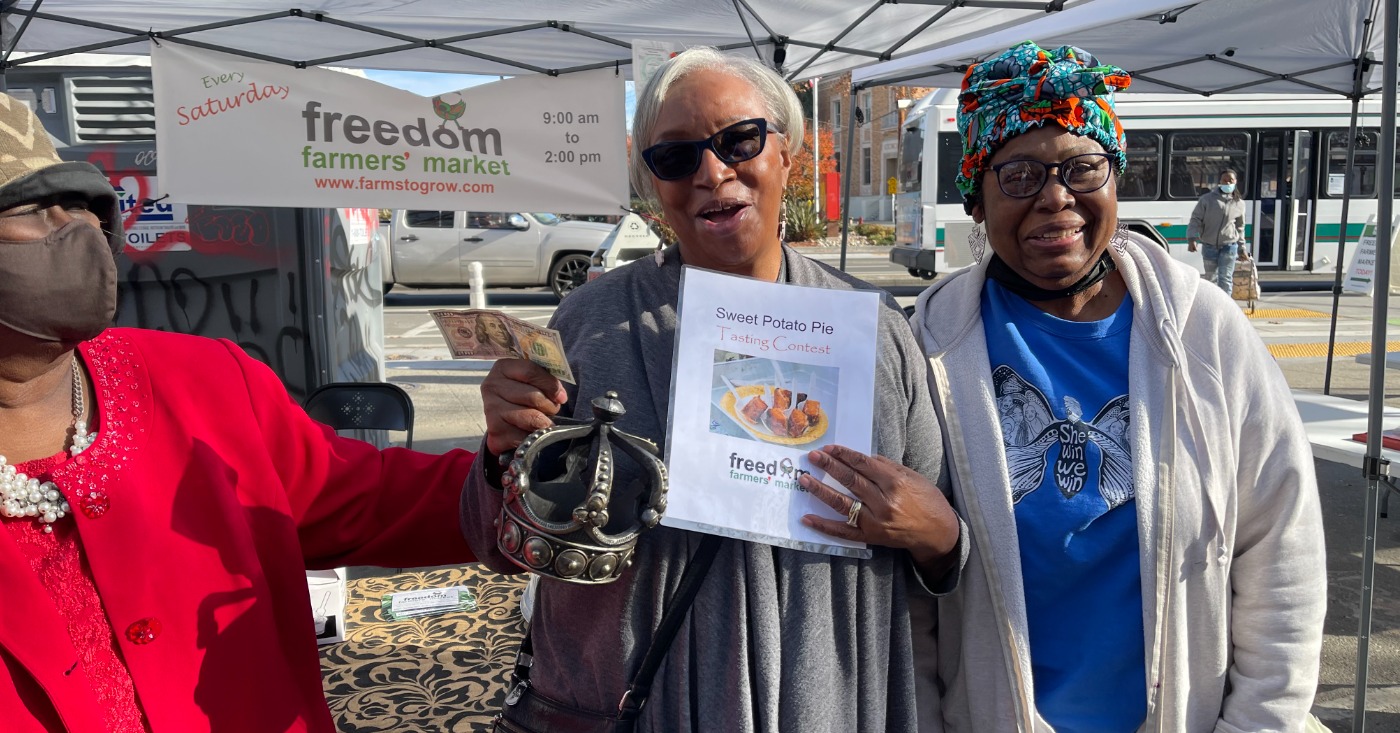
Community Invited to Crown the 2026 ‘Best N’ West’ Sweet Potato Pie Champion
Farms to Grow, Inc. invites sweet potato pie lovers, food enthusiasts, and friendly rivals to gather for the Eighth Annual Sweet Potato Pie Tasting Contest on Saturday, Nov.14, 10 a.m.–12 p.m. at the Freedom Farmers’ Market, 4521 Telegraph Ave., Oakland, CA.
Community members are encouraged to come hungry, cast their votes as official judges, and be part of the crowning of the next Best N’ West Sweet Potato Pie Champion.
Creating a championship-worthy sweet potato pie is no simple task. It takes the perfect blend of spices, carefully selected sweet potatoes, and a magical crust. Each year, contestants bring their best recipes to the table, competing for bragging rights, a beautiful crown, and a cash prize.
For years, one baker dominated the competition and proudly held the Best N’ West crown. Then, in 2024, a longtime friend rose to the challenge and snatched the title away. Not to be outdone, the former champion reclaimed the crown in 2025, setting the stage for an exciting showdown this year.

Now the question on everyone’s mind is: Who will take home the crown in 2026?
Will the reigning Best N’ West queen defend her title? Will her rival and friend reclaim the throne? Or will a newcomer surprise everyone and emerge victorious?
The Sweet Potato Pie Tasting Contest has become a beloved community tradition at the Freedom Farmers’ Market season, bringing on friendly competition. Beyond the delicious pies, attendees can purchase fresh sweet potatoes grown by black farmers, enjoy live music, and help decide who earns the title of Best N’ West Sweet Potato Pie Champion.
Farms to Grow, Inc. works to preserve Black agricultural heritage, strengthen local food systems, and support farmers through education, advocacy, market development, and community-based programs that increase access to fresh, locally grown food.




Oakland Post: Week of November 18 – 24, 2026

Oakland Post: Week of November 11 -17, 2026

Alameda County Supervisor Miley to Propose Illegal Dumping Ordinance

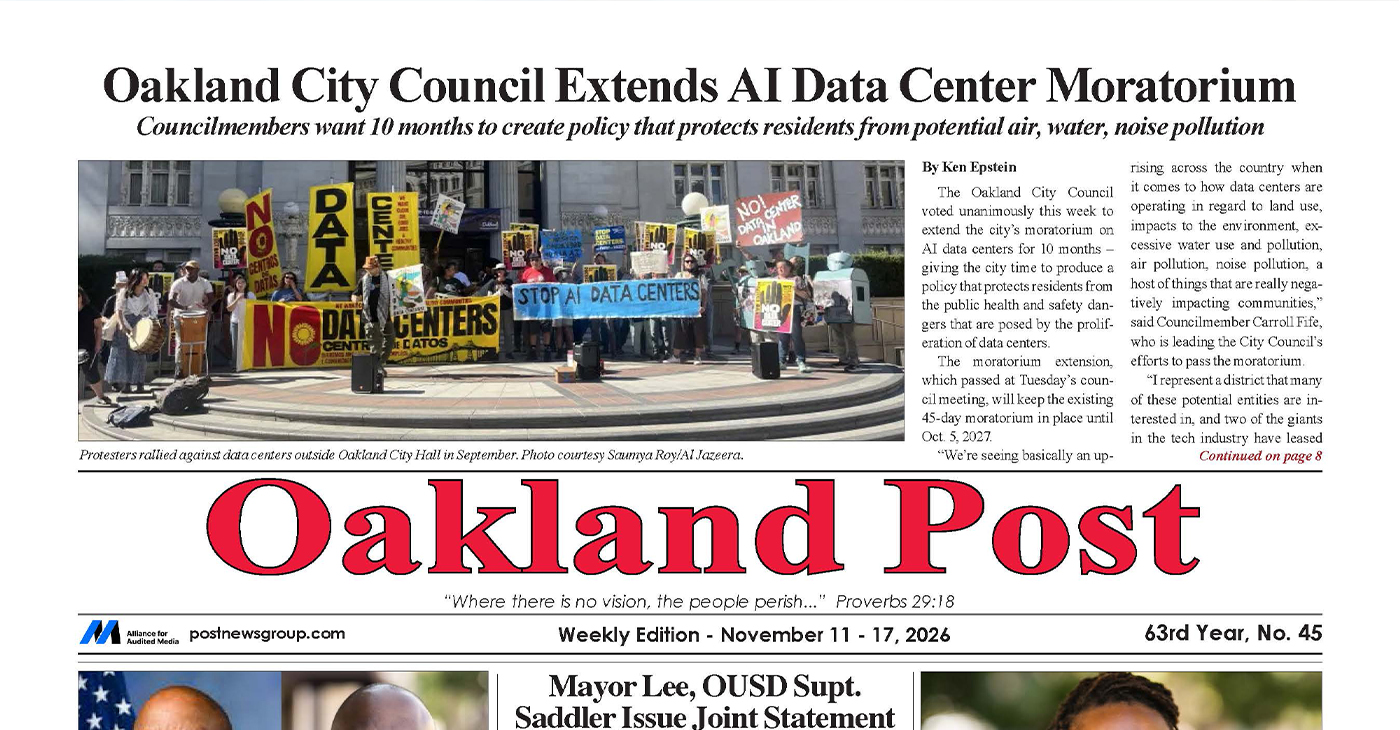
Oakland City Council Extends AI Data Center Moratorium for 10 Months.

On Veterans Day, U.S. Rep. Simon Demands Answers on Status of Veterans Affairs Clinic, Columbarium Project

OPINION: Mario Juarez’s Courtroom Admissions Raise Questions About Allegations That Fueled Recall of Pamela Price

Hutchinson Concedes: Ballots Still Being Counted in Oakland Board Elections

Mayor Lee and Schools’ Supt. Saddler Issue Joint Statement on Recent ICE Activity in Oakland

Mississippi Congressman Bennie Thompson Congratulates Scott Colom on Historic Victory

Farms to Grow, Inc. Hosts the 8th Annual Sweet Potato Pie Tasting Contest

Oakland Post: Week of November 4 – 10, 2026

How the Sandwich Generation Can Help Protect Aging Parents’ Finances

As Progressive Democrats Celebrate ‘Blue Tsunami,’ Oakland Counts Victories

Golden State Valkyries Become Bay Area Legends Winning WNBA Championship on Halloween Night

IN MEMORIAM: Marcia Ann Gillespie, Editor of Essence and Ms. Magazines, Dies at 82

COMMENTARY: Valarie Bachelor and Jennifer Brouhard are Excellent School Board Members and Deserve to Be Reelected

OUSD Receives State Review of District Finances; Outlines Progress Since January

HISTORY MADE: Keisha Lance Bottoms Becomes First Black Woman Elected Governor in American History

SEIU Local 1000 and State of California Will Continue to Negotiate New Labor Contract
Golden State Valkyries Become Bay Area Legends Winning WNBA Championship on Halloween Night

Fate of Bay Area Public Transit Hinges on Regional Transit Measure

COMMENTARY: Your California Living Trust Could Be Next: When Evidence Isn’t Enough

Chase Launches Fraud & Scam Prevention Month

Mayor Barbara Lee Holds Special State of the City Address in Deep East Oakland

It’s Time to Lose Weight Before the Holidays

Democrats, Community Groups Back Measure EE to Change How Oakland Is Governed

Post News Group Nov. 3 Election Endorsements

Oakland Awarded More than $14 Million in State Funding

Richmond Neighbors Put Pantry Power on the Map

Oakland Post: Week of October 7 – 13, 2026

The Conversation With Al McFarlane 6/23/26

Media Monday 6/22/26

LIVE! ASK ALMA! — TUES. 6.23.26 7PM EST

Car Buying Secrets: 4 Hidden Checks Before You Sign!

Is This 550 HP Charger Worth YOUR Money? AutoNetwork Review

Celebrating Juneteenth – Frederick Douglass on education and resistance

LIVE! — ASK ALMA! — TUES. 6.19.26 7PM EST

Hyundai Ioniq 5 Parking, Safety, and 360 View #shorts

2025 Ioniq 5 New Wiper & Powerful Performance! #shorts

Electric SUV Range: Is 259 Miles Enough? #shorts

EV Charging: How Fast Can You Charge an Electric Vehicle? #shorts

Biometric Cooling… Messaging Seats…Come on! 2025 Infiniti QX80 Autograph 4WD

Charged Up: Witness the Magic of a Fully Electric Car! #shorts

Range Rover Sport PHEV Included…: See What’s Inside This Luxury SUV! #shorts

Invisible Hood View: Perfect Parking with X-Ray Vision! #shorts
-
 Commentary3 weeks ago
COMMENTARY: Valarie Bachelor and Jennifer Brouhard are Excellent School Board Members and Deserve to Be Reelected
-
 Education3 weeks ago
OUSD Receives State Review of District Finances; Outlines Progress Since January
-
 Black History2 weeks ago
HISTORY MADE: Keisha Lance Bottoms Becomes First Black Woman Elected Governor in American History
-
 Business2 weeks ago
SEIU Local 1000 and State of California Will Continue to Negotiate New Labor Contract
-
 Community2 weeks ago
Golden State Valkyries Become Bay Area Legends Winning WNBA Championship on Halloween Night
-
 Business3 weeks ago
Fate of Bay Area Public Transit Hinges on Regional Transit Measure
-
 Business2 weeks ago
COMMENTARY: Your California Living Trust Could Be Next: When Evidence Isn’t Enough
-
 Business4 weeks ago
Chase Launches Fraud & Scam Prevention Month
