
Activism
Lecrae, Rapper with San Diego Ties, Shares Wealth-Building Ideas
Before knowing that his passion for financial education would grow into what he calls a “new-age Teen Summit” (referring to the early 1990s BET weekly show that dealt with issues facing young African Americans), Lecrae says he was working to expose those around him to the benefits of good money habits.

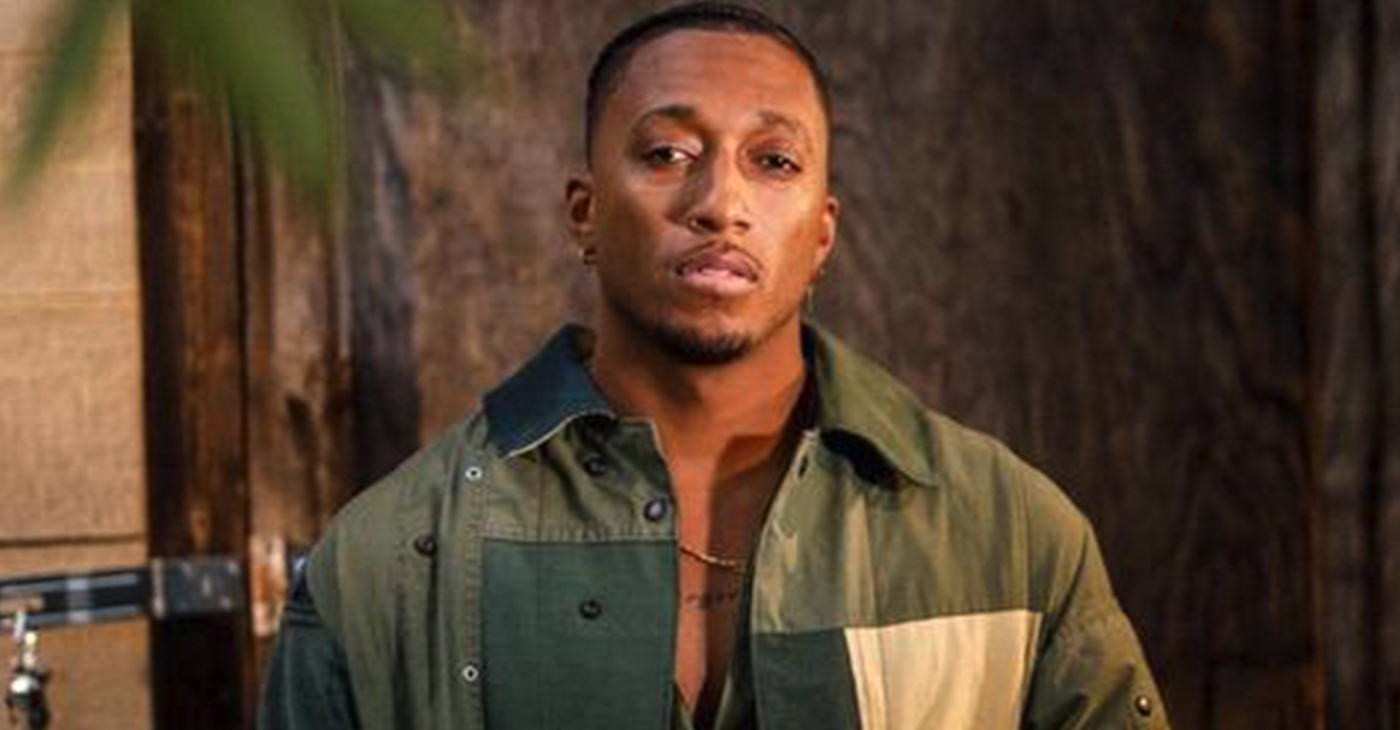
By Kassidy Henson | California Black Media
Lecrae, a Grammy Award-winning Christian hip-hop artist, is on a mission to increase financial literacy among African Americans.
Growing up in a “marginalized” community in San Diego, Lecrae says he was exposed to incredible wealth and opportunity when he visited communities along the Pacific coastline or neighborhoods nestled in the hills overlooking the city.
But life was different in his predominantly Black neighborhood. Less possibility. Much more poverty.
“You begin to wonder ‘how do I acquire that?’ How do you change the narrative?” Lecrae told California Black Media.
“Returning to a community that faced marginalization, brutality and the effects of poverty was a reflection — excluded from the gleaming SoCal Hills.”
Recalling those childhood experiences, Lecrae — who now lives in Atlanta — said he decided to launch an effort to create opportunities for African Americans that would help to close the wealth gap between Blacks and whites.
Using his own production company, 3 Strands Films, Lecrae developed a short-form financial education show called “Protect the Bag.”
The six-part web series provides viewers with a “blueprint” for financial wellness by delving into topics like saving, retirement, investment, budgeting, and identity protection, according to the rapper who released a new album with fellow artist 1K Phew titled “No Church in a While” on December 3.
Lecrae, who won a Grammy for Best Gospel Album in 2012, says he hopes the show helps to restore stability and hope in a new generation of young Black people.
The concept for “Protect the Bag” was developed during the COVID-19 lockdown last year. During that time, Lacrae says he partnered with the credit scoring company Experian to come to the aid of 21 families facing foreclosure due to financial hardship.
“Protect the Bag” is a series of short, roundtable conversations. During each one, Lecrae explains the basics of building a financial legacy. In discussions with financial professionals, community members and guests like Denver Nuggets forward Michal Porter Jr., the panelists address obstacles to building wealth that large numbers of African Americans face.
By the end of each episode, Lecrae says his goal is to equip viewers with the knowledge, exposure and confidence to create better financial habits.
Before knowing that his passion for financial education would grow into what he calls a “new-age Teen Summit” (referring to the early 1990s BET weekly show that dealt with issues facing young African Americans), Lecrae says he was working to expose those around him to the benefits of good money habits.
A self-described “doer,” Lecrae explained that at his label he met with artists and hosted financial literacy classes exploring buying power, disparities in the stock market, and the value of the Black dollar.
“Those are all important pillars of good financial stewardship,” says the artist who joined other lecturers to teach a six week “pop-out course” at Stanford University.
“One of the struggles that we had in academia is that academics often speak through a backwards megaphone. They speak through the wide end. To them, the information is easy to grasp when it comes out the smaller side,” he said.
“How do we turn that megaphone around? How do we take these narrow concepts and make them more broad and applicable for everybody listening? How do we speak the language of the community and allow it to be less complicated than everyone makes it sound?”
Lecrae also talked about the many benefits that can be reaped when African Americans decide to invest in their communities.
“It creates a network. Like that old game, Barrel of Monkeys: when someone reaches down to give you a hand the next step is to reach your hand down to help the next person up,” he says. “This practice puts funds and resources back into the community, which is an essential part of a financially stable economy.”
Lecrae said young people should ditch the mindset that you only live once.
“You can really lose a movement over a moment. I think we chase pleasure over happiness. Think about what you want long-term because your decisions today can work to ensure that your 60-year-old self is living in a way that is liberated and free.”
New episodes of “Protect the Bag” are released each week on Lecrae’s YouTube channel.









Activism
Oakland Post: Week of March 18 – 24, 2026
The printed Weekly Edition of the Oakland Post: Week of March 18 – 24, 2026
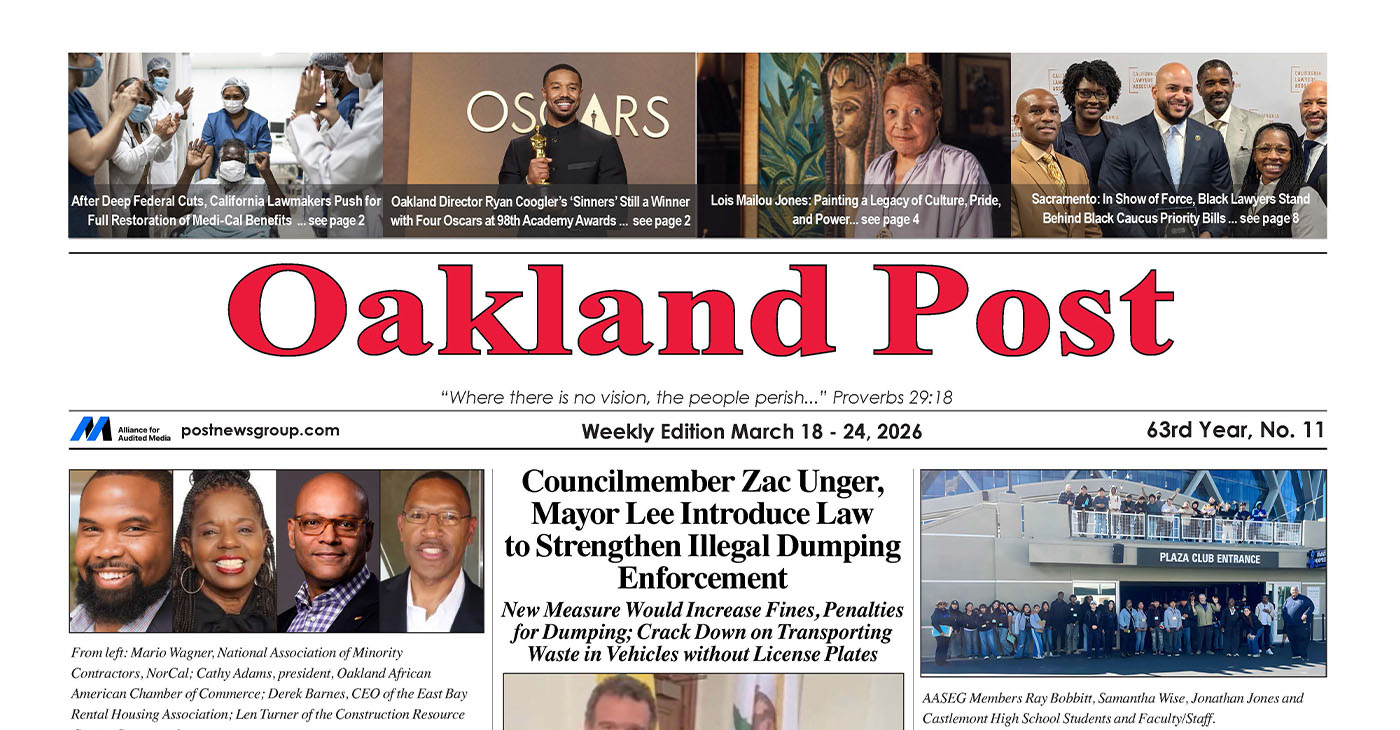
To enlarge your view of this issue, use the slider, magnifying glass icon or full page icon in the lower right corner of the browser window.
Activism
Oakland Post: Week of March 11 -17, 2026
The printed Weekly Edition of the Oakland Post: Week of March 11 – 17, 2026
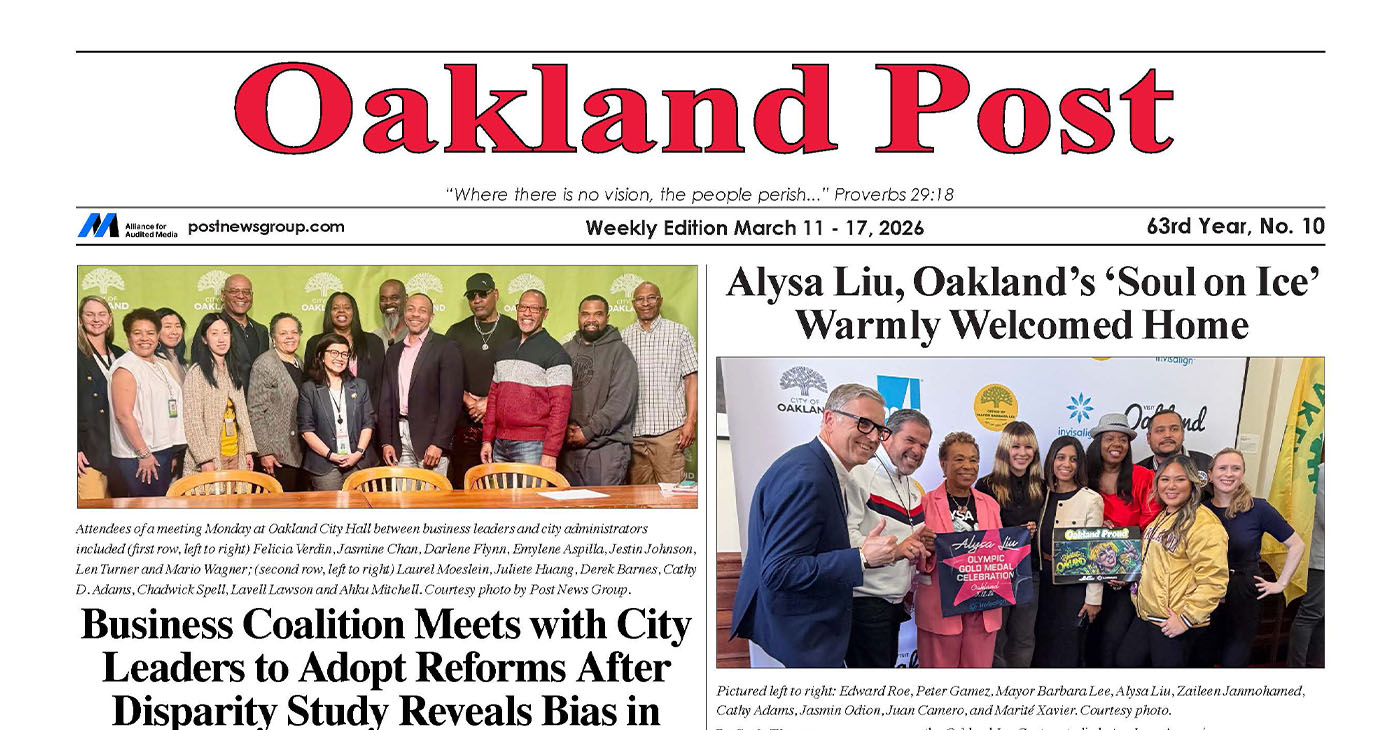
To enlarge your view of this issue, use the slider, magnifying glass icon or full page icon in the lower right corner of the browser window.
Activism
Oakland Post: Week of March 4 – 10, 2026
The printed Weekly Edition of the Oakland Post: Week of March 4 – 10, 2026
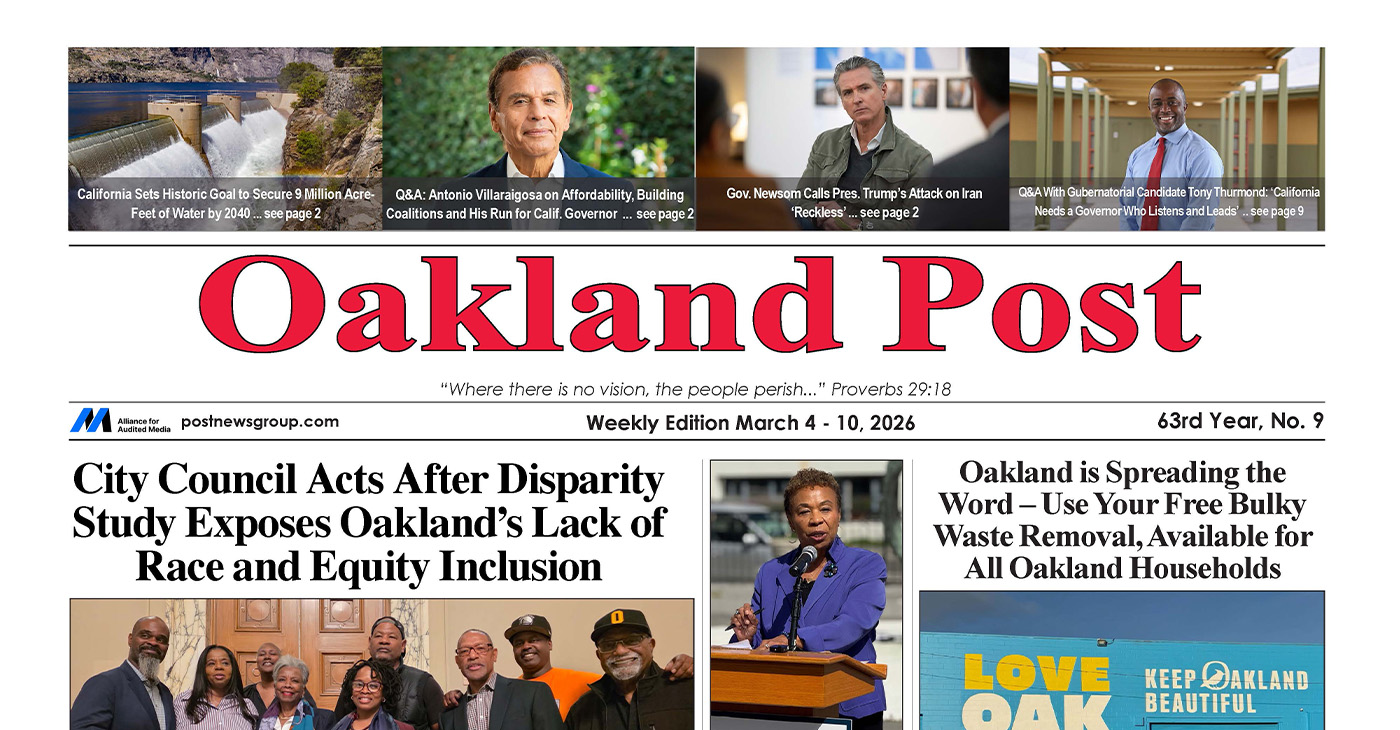
To enlarge your view of this issue, use the slider, magnifying glass icon or full page icon in the lower right corner of the browser window.


WORK FROM HOME
Home-based business with potential monthly income of $10K+ per month. A proven training system and website provided to maximize business effectiveness. Perfect job to earn side and primary income. Contact Lynne for more details: Lynne4npusa@gmail.com 800-334-0540


Black Artists in America, Installation Three Wraps at the Dixon Gallery and Gardens

Grief, Advocacy, and Education: A Counselor Reflects on Black Maternal Health

Future of Florida’s Black History Museum in Limbo

New Research Shows the Many Benefits of Early Learning

South Hampton K-8 Students Among Top 10 Finalists for Samsung’s ‘Solve for Tomorrow’ Competition

Cuba: No Negotiation with US on the President or Political System

Brooklyn Academy of Music Names Jamaican-Born Tamara McCaw as President

Trinidad & Tobego – U.S. Launches WhatsApp Channel for American Citizens in the Country

Oakland Post: Week of March 18 – 24, 2026

AI Innovation vs. Ethics and Environmental Impact

AI, Web3, and Digital Reparations

What If You Owned Your AI Agent?

Season 7, Episode 3 – January Reporter’s Roundtable 📱

Season 7, Episode 3 – January Reporter’s Roundtable

AI, Media, and Power | Part 2, Real-World Impacts and Tradeoffs

Discrimination in City Contracts

Oakland Post: Week of February 11 – 17, 2026

Reflecting on Black History Milestones in Birmingham AL

Rising Optimism Among Small And Middle Market Business Leaders Suggests Growth for California

CITY OF SAN LEANDRO STATE OF CALIFORNIA PUBLIC WORKS DEPARTMENT ENGINEERING DIVISION NOTICE TO BIDDERS FOR ANNUAL STREET OVERLAY/REHABILITATION 2019-21 – PHASE III

Oakland Post: Week of February 18 – 24, 2026

PRESS ROOM: NBA Hall of Fame Nominee Terry Cummings Joins 100 Black Men of DeKalb County to Launch Victory & Values Initiative

Oakland Post: Week of February 25 – March 3, 2026

Trump’s MAGA Allies are Creating Executive Order Plan to Steal the 2026 Midterms

U.S. manufacturing rebounds – how foundry services are adapting to rising demand

OP-ED: One Hundred Years of Black Workers Telling the Truth

Advancements in solar technology that are changing the way we power the world

Chase Oakland Community Center Hosts Alley-Oop Accelerator Building Community and Opportunity for Bay Area Entrepreneurs

Poll Shows Support for Policies That Help Families Afford Child Care

PRESS ROOM: Civil Rights TV Launches in Selma as the World’s First 24/7 Civil Rights Television Network

Hyundai Ioniq 5 Parking, Safety, and 360 View #shorts

2025 Ioniq 5 New Wiper & Powerful Performance! #shorts

Electric SUV Range: Is 259 Miles Enough? #shorts

EV Charging: How Fast Can You Charge an Electric Vehicle? #shorts

Biometric Cooling… Messaging Seats…Come on! 2025 Infiniti QX80 Autograph 4WD

Charged Up: Witness the Magic of a Fully Electric Car! #shorts

Range Rover Sport PHEV Included…: See What’s Inside This Luxury SUV! #shorts

Invisible Hood View: Perfect Parking with X-Ray Vision! #shorts

AI Is Reshaping Black Healthcare: Promise, Peril, and the Push for Improved Results in California

ESSAY: Technology and Medicine, a Primary Care Point of View

Sanctuary Cities

The RESISTANCE – FREEDOM NOW

STATE OF THE PEOPLE: Freddie

ECONOMIC BOYCOTT DAY!!!!!

I told You So
-
 #NNPA BlackPress4 weeks ago
Reflecting on Black History Milestones in Birmingham AL
-
 #NNPA BlackPress4 weeks ago
PRESS ROOM: NBA Hall of Fame Nominee Terry Cummings Joins 100 Black Men of DeKalb County to Launch Victory & Values Initiative
-
 Activism4 weeks ago
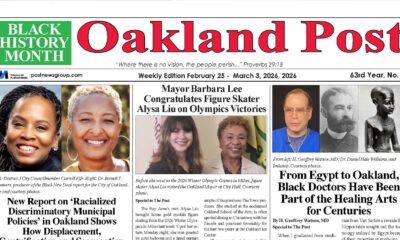
Oakland Post: Week of February 25 – March 3, 2026
-
 #NNPA BlackPress4 weeks ago
Trump’s MAGA Allies are Creating Executive Order Plan to Steal the 2026 Midterms
-
 #NNPA BlackPress4 weeks ago
Poll Shows Support for Policies That Help Families Afford Child Care
-
 Activism3 weeks ago
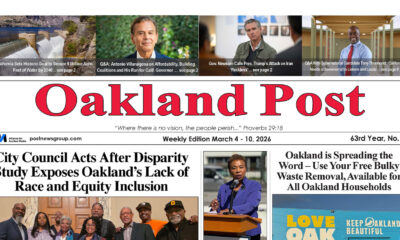
Oakland Post: Week of March 4 – 10, 2026
-

 #NNPA BlackPress3 weeks ago
Woman’s Search for Family’s Roots Leads to Ancestor John T. Ward – A Successful Entrepreneur and Conductor on the Underground Railroad
-

 #NNPA BlackPress3 weeks ago
OP-ED: NNPA Launches 2026 “Leadership Matters” Video Series
