
Black History
Fort Mose: The First Free Black Settlement
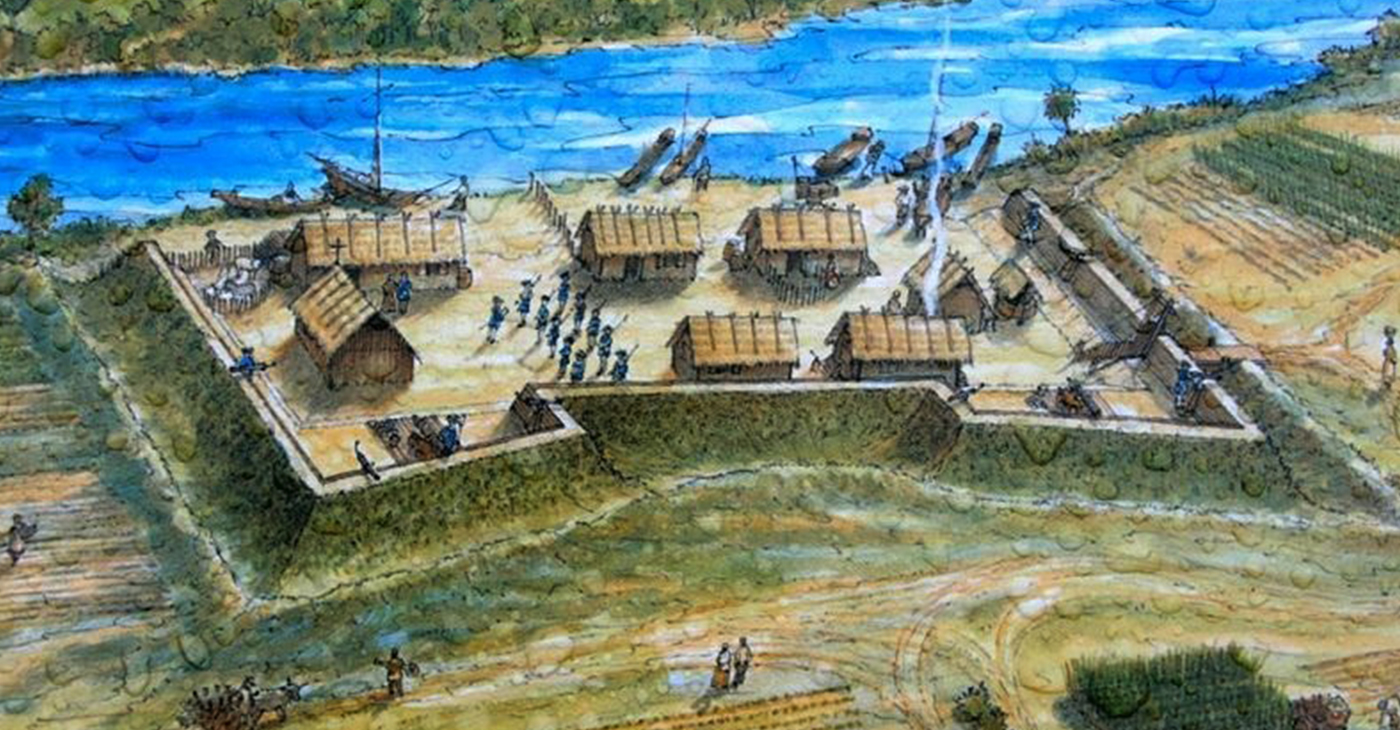
Fort Mose was the first free Black settlement in what is now the United States, and the only one known to have been sponsored by a European colonial government. Two Fort Mose sites eventually existed: one occupied by the Spanish (1737–1740) and the other by Blacks (1752–1763). Although living there was peaceful, the settlement was not immune to violent opposition.

By Tamara Shiloh
During the 18th century, Florida had become a haven for colonial South Carolina’s fugitive slaves. This was a result of the competition between Spain and Britain. Spain held a flexible attitude toward slaves and Black freedmen and thus encouraged British-owned slaves to escape to Florida. Such a move would inevitably destabilize British colonization in the north.
Runaway slaves crossed swamps and forestlands on foot. Help provided by Native Americans along the way created the first Underground Railroad. Parts of the journey were treacherous, and many did not survive. Those who reached St. Augustine, Fla., were granted asylum by the Spanish government: freedom in exchange for converting to Catholicism. Male slaves served a term of military service.
The first group seeking these freedoms arrived in 1687: eight men, two women, and a three-year-old child. By 1738, the numbers increased to more than 100. That’s when the fortified town of Gracia Real de Santa Teresa de Mose (Fort Mose) was constructed on St. Augustine’s northernmost border. (A fortified town is one with strong defenses, usually a massive wall structure and inner citadels or strongholds.)
Fort Mose was the first free Black settlement in what is now the United States, and the only one known to have been sponsored by a European colonial government. Two Fort Mose sites eventually existed: one occupied by the Spanish (1737–1740) and the other by Blacks (1752–1763). Although living there was peaceful, the settlement was not immune to violent opposition.
A war broke out between England and Spain (The War of Jenkins’ Ear: 1740–1750). Citizens of St. Augustine and Fort Mose had suddenly found themselves involved in a conflict spanning three continents. This action of war was The Battle of Fort Mose (then dubbed Bloody Mose or Bloody Moosa).
The English employed thousands of soldiers and dozens of ships to destroy St. Augustine. All runaway slaves were to be returned to their former owners. A blockade was set up and the city was bombarded for 27 consecutive days. Those protecting St. Augustine and Fort Mose were hopelessly outnumbered. But that did not stop a group of Blacks, whites, and Native Americans from pulling together and fighting back.
Capt. Francisco Menéndez, a formerly enslaved African, led Fort Mose’s free Black militia in protecting St. Augustine. They lost the fort briefly but were able to recapture it, holding back English forces. In 1763, Spain ceded all of La Florida to England (Treaty of Paris). The citizens of Fort Mose once again faced enslavement. To maintain their freedom, they abandoned the fort for safety in Havana, Cuba, then a colony of Spain.
Fort Mose was demolished by the British during the War of 1812. As the years passed, the land was swallowed by marsh; the important legacy of its community was forgotten.
But later in the 20th century, a team of archaeologists, historians, government leaders, and citizens restored Fort Mose to its rightful place of honor.
Today, the location of the fort occupied by Blacks is recognized as a significant local, national, and international historic landmark.
Image: http://www.fortwiki.com/Fort_Mose







Activism
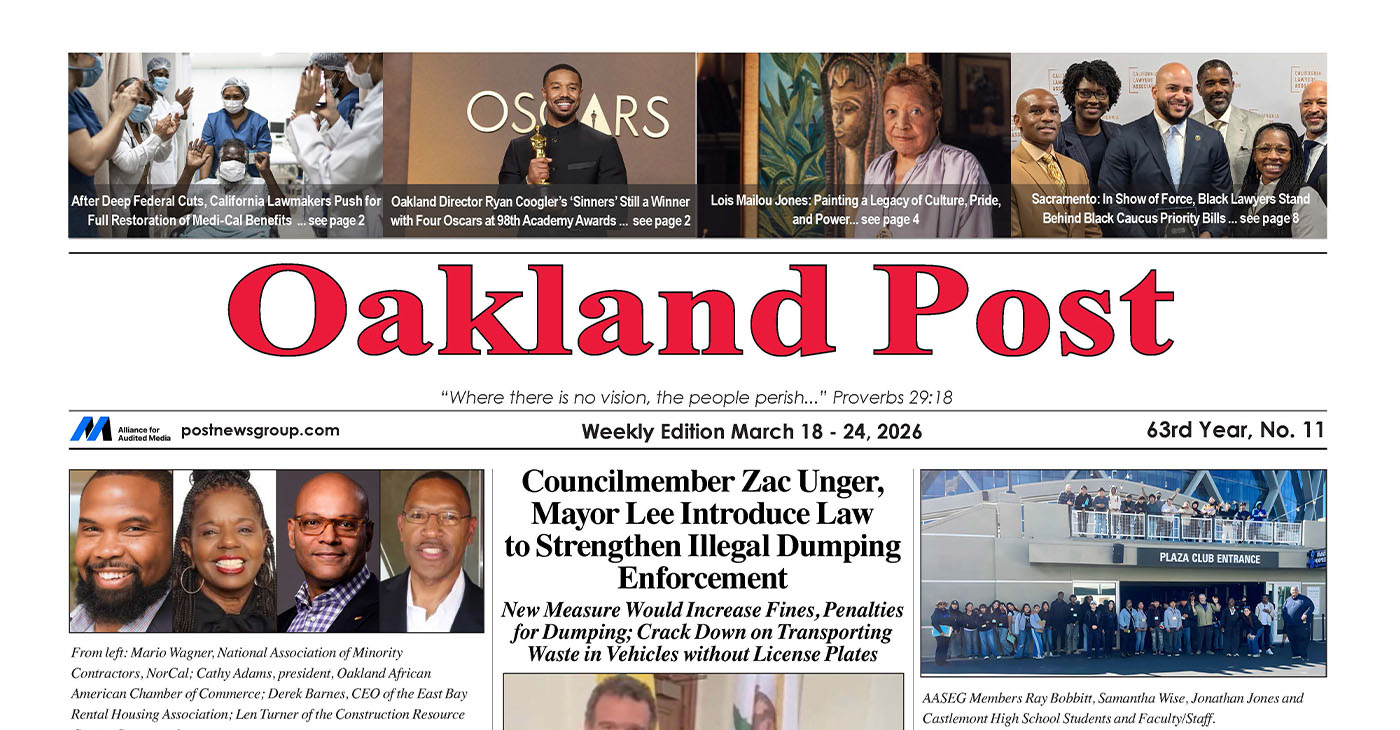
Oakland Post: Week of March 18 – 24, 2026
The printed Weekly Edition of the Oakland Post: Week of March 18 – 24, 2026
To enlarge your view of this issue, use the slider, magnifying glass icon or full page icon in the lower right corner of the browser window.
Activism
Oakland Post: Week of March 11 -17, 2026
The printed Weekly Edition of the Oakland Post: Week of March 11 – 17, 2026
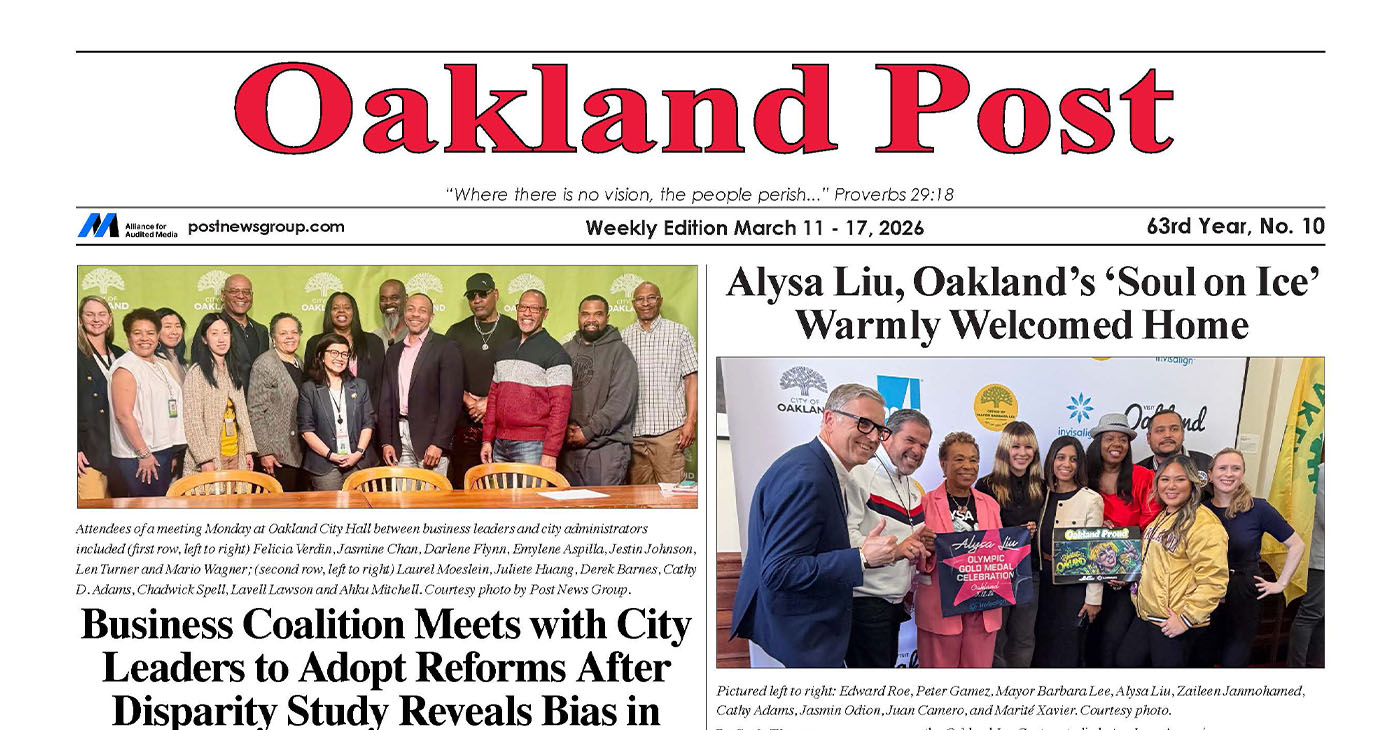
To enlarge your view of this issue, use the slider, magnifying glass icon or full page icon in the lower right corner of the browser window.
Activism
Oakland Post: Week of March 4 – 10, 2026
The printed Weekly Edition of the Oakland Post: Week of March 4 – 10, 2026
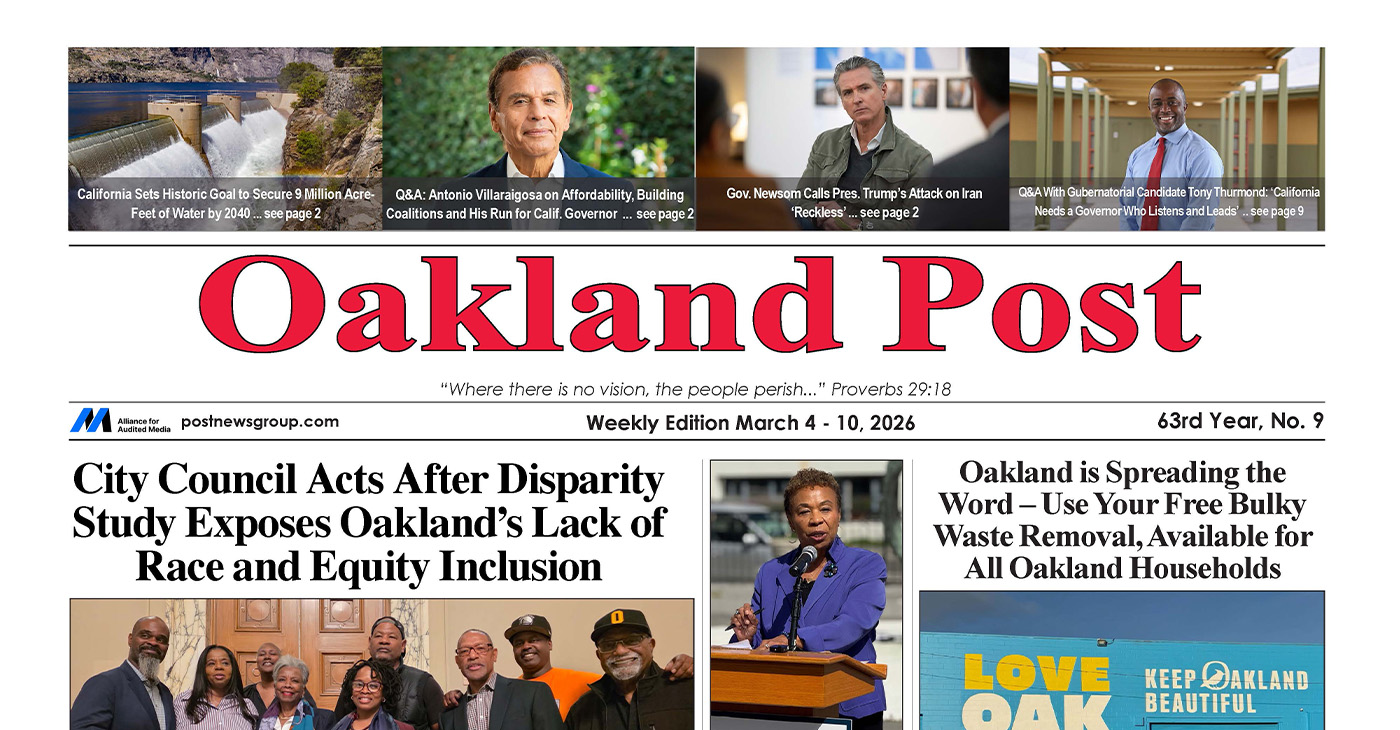
To enlarge your view of this issue, use the slider, magnifying glass icon or full page icon in the lower right corner of the browser window.


WORK FROM HOME
Home-based business with potential monthly income of $10K+ per month. A proven training system and website provided to maximize business effectiveness. Perfect job to earn side and primary income. Contact Lynne for more details: Lynne4npusa@gmail.com 800-334-0540


Black Artists in America, Installation Three Wraps at the Dixon Gallery and Gardens

Grief, Advocacy, and Education: A Counselor Reflects on Black Maternal Health

Future of Florida’s Black History Museum in Limbo

New Research Shows the Many Benefits of Early Learning

South Hampton K-8 Students Among Top 10 Finalists for Samsung’s ‘Solve for Tomorrow’ Competition

Cuba: No Negotiation with US on the President or Political System

Brooklyn Academy of Music Names Jamaican-Born Tamara McCaw as President

Trinidad & Tobego – U.S. Launches WhatsApp Channel for American Citizens in the Country

Oakland Post: Week of March 18 – 24, 2026

AI Innovation vs. Ethics and Environmental Impact

AI, Web3, and Digital Reparations

What If You Owned Your AI Agent?

Season 7, Episode 3 – January Reporter’s Roundtable 📱

Season 7, Episode 3 – January Reporter’s Roundtable

AI, Media, and Power | Part 2, Real-World Impacts and Tradeoffs

Reflecting on Black History Milestones in Birmingham AL

CITY OF SAN LEANDRO STATE OF CALIFORNIA PUBLIC WORKS DEPARTMENT ENGINEERING DIVISION NOTICE TO BIDDERS FOR ANNUAL STREET OVERLAY/REHABILITATION 2019-21 – PHASE III

Oakland Post: Week of February 18 – 24, 2026

Oakland Post: Week of February 25 – March 3, 2026

PRESS ROOM: NBA Hall of Fame Nominee Terry Cummings Joins 100 Black Men of DeKalb County to Launch Victory & Values Initiative

Trump’s MAGA Allies are Creating Executive Order Plan to Steal the 2026 Midterms

U.S. manufacturing rebounds – how foundry services are adapting to rising demand

Oakland Post: Week of March 4 – 10, 2026

Chase Oakland Community Center Hosts Alley-Oop Accelerator Building Community and Opportunity for Bay Area Entrepreneurs

Poll Shows Support for Policies That Help Families Afford Child Care

OP-ED: One Hundred Years of Black Workers Telling the Truth

Advancements in solar technology that are changing the way we power the world

Woman’s Search for Family’s Roots Leads to Ancestor John T. Ward – A Successful Entrepreneur and Conductor on the Underground Railroad

PRESS ROOM: Civil Rights TV Launches in Selma as the World’s First 24/7 Civil Rights Television Network

COMMENTARY: Women of Color Shape Our Past and Future

Hyundai Ioniq 5 Parking, Safety, and 360 View #shorts

2025 Ioniq 5 New Wiper & Powerful Performance! #shorts

Electric SUV Range: Is 259 Miles Enough? #shorts

EV Charging: How Fast Can You Charge an Electric Vehicle? #shorts

Biometric Cooling… Messaging Seats…Come on! 2025 Infiniti QX80 Autograph 4WD

Charged Up: Witness the Magic of a Fully Electric Car! #shorts

Range Rover Sport PHEV Included…: See What’s Inside This Luxury SUV! #shorts

Invisible Hood View: Perfect Parking with X-Ray Vision! #shorts

AI Is Reshaping Black Healthcare: Promise, Peril, and the Push for Improved Results in California

ESSAY: Technology and Medicine, a Primary Care Point of View

Sanctuary Cities

The RESISTANCE – FREEDOM NOW

STATE OF THE PEOPLE: Freddie

ECONOMIC BOYCOTT DAY!!!!!

I told You So
-
 Activism4 weeks ago
Oakland Post: Week of March 4 – 10, 2026
-
 #NNPA BlackPress4 weeks ago
Woman’s Search for Family’s Roots Leads to Ancestor John T. Ward – A Successful Entrepreneur and Conductor on the Underground Railroad
-
 #NNPA BlackPress4 weeks ago
COMMENTARY: Women of Color Shape Our Past and Future
-

 #NNPA BlackPress4 weeks ago
OP-ED: NNPA Launches 2026 “Leadership Matters” Video Series
-

 Activism2 weeks ago
Oakland Post: Week of March 11 -17, 2026
-

 #NNPA BlackPress4 weeks ago
Advocates Raise Alarm Over ICE Operation, MOU and Detention Risks in Baltimore County
-

 #NNPA BlackPress4 weeks ago
Pete Buttigieg to Join Mayor Randall Woodfin for Community Town Hall in Birmingham
-

 Advice2 weeks ago
Financial Wellness and Mental Health: Managing Money Stress in College
