
Bay Area
County prepares to update long-term plans to meet needs and state mandates
Marin must plan for future population growth by state law, right along with the other 57 counties in California and all the state’s cities and towns. As part of the next required planning cycle, the County is eager to increase fair housing opportunities for people of all income levels, races and backgrounds.

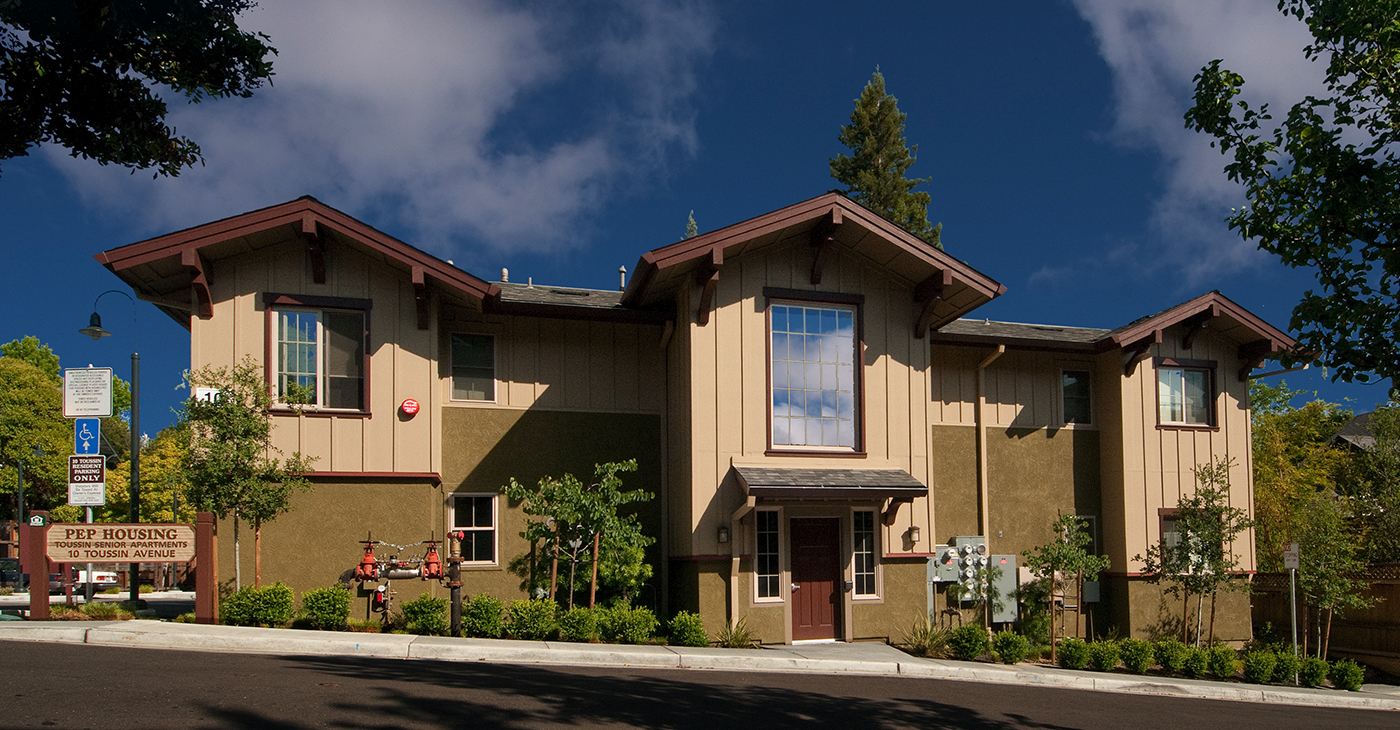
Marin County is in the midst of updating its Housing and Safety Elements, plans to accommodate future housing needs and address climate change. Starting this month, staff from the Marin County Community Development Agency (CDA) is seeking input on sites to accommodate the growing housing need in the unincorporated areas of the County. An online public meeting is set for Jan. 20 to go over the process and gather feedback.
The Housing Element update gives the County a chance to make marked progress with racial and social equity. Lower-income residents in the local workforce struggle to find suitable affordable housing close to their Marin jobs. Almost two-thirds of Marin workers commute in from other counties because of local high housing costs, and that takes a toll on traffic, the environment, and quality of life for everyone.
Marin must plan for future population growth by state law, right along with the other 57 counties in California and all the state’s cities and towns. As part of the next required planning cycle, the County is eager to increase fair housing opportunities for people of all income levels, races and backgrounds.
A master list of all potential new housing locations under consideration in unincorporated Marin was released during the online public meeting Jan. 20.
In spring 2021, the Regional Housing Needs Allocation (RHNA) set by the Association of Bay Area Governments (ABAG) directed Marin to plan for 3,569 new housing units in unincorporated areas during the eight-year cycle that begins in 2023. Those must be distributed among all income categories, from very low to above moderate.
Parcels have been identified as potential housing sites in all areas of the unincorporated County. Land owned by schools, houses of worship, businesses, nonprofits, and the county government is all open for consideration. While housing is allowed in almost all local zoning districts, including commercial, the update to the Housing Element does not exclude potential changes to the maximum density under the existing zoning.
“Public feedback will be a key component of the plan’s development,” said Jillian Nameth Zeiger, a CDA senior planner. “We are introducing the full range of possibilities and asking people their thoughts about meeting the RHNA goal by using these properties. No major decisions have been made at this point. It will be a challenge to meet the allocation, and we want to collect as much public feedback as possible.”
CDA plans to document the feedback and summarize it when the Housing Element update is brought back to the Marin County Board of Supervisors and Planning Commissioners in early March. The Housing Element, along with the accompanying Safety Element, needs to be completed by the end of 2022 so it can be submitted to the State of California for approval.
Zeiger said the shortage of affordable housing has grown more pronounced since the state approved Marin’s last Housing Element update in January 2014. The local median home price has risen from approximately $1.2 million in 2017 to more than $1.6 million in 2021. During the same span, few housing units for the lowest income levels have been constructed.
With the Housing Element update, the intent is to achieve an adequate supply of decent, safe, and affordable housing for residents in unincorporated areas, including individuals, families, retirees, and special-needs populations. One of the major changes to the new Housing Element requirement includes meeting new steps to ensure fair housing and address historical patterns of segregation. Accordingly, the next Housing Element will include an assessment of fair housing to address barriers to fair housing choice and will identify sites and programs that provide housing opportunity for lower-income families and individuals near high quality schools, employment opportunities, and public transportation.
The consequences of noncompliance with housing requirements could be stiff. If a jurisdiction does not meet its goals, it becomes ineligible for state funding to serve local transportation needs and may be subject to statewide streamlining rules, which allow for housing development with limited public review process. California Department of Housing and Community Development (HCD) has a new division that is designed to enforce accountability with plans to meet housing needs.
Related initiatives under the fair housing program include the Restrictive Covenants Project, which aims to inform and educate Marin residents of the history and significance of government policies and programs that were intentionally discriminatory and helped create segregated areas.
CDA staff is engaging in community discussions, speaking at local homeowners associations meetings and design review boards. Trusted community-based organizations, elected officials, and other advocates will help convey messaging about the Housing Element update during the engagement process. Questions and comments can be emailed to staff and phone inquiries can be made to (415) 473-6269. Regular updates can be found on the Housing and Safety Elements update webpage.
Many residents live near town limits or city limits and might be interested in plans brewing across the nearby border. For that reason, there is a new website that includes news about Housing Element updates in all of Marin’s municipalities.
Check out housingelementsmarin.org to learn more.










Activism
Oakland Post: Week of March 18 – 24, 2026
The printed Weekly Edition of the Oakland Post: Week of March 18 – 24, 2026

To enlarge your view of this issue, use the slider, magnifying glass icon or full page icon in the lower right corner of the browser window.
Activism
Oakland Post: Week of March 11 -17, 2026
The printed Weekly Edition of the Oakland Post: Week of March 11 – 17, 2026

To enlarge your view of this issue, use the slider, magnifying glass icon or full page icon in the lower right corner of the browser window.
Activism
Oakland Post: Week of March 4 – 10, 2026
The printed Weekly Edition of the Oakland Post: Week of March 4 – 10, 2026

To enlarge your view of this issue, use the slider, magnifying glass icon or full page icon in the lower right corner of the browser window.

WORK FROM HOME
Home-based business with potential monthly income of $10K+ per month. A proven training system and website provided to maximize business effectiveness. Perfect job to earn side and primary income. Contact Lynne for more details: Lynne4npusa@gmail.com 800-334-0540


Black Artists in America, Installation Three Wraps at the Dixon Gallery and Gardens

Grief, Advocacy, and Education: A Counselor Reflects on Black Maternal Health

Future of Florida’s Black History Museum in Limbo

New Research Shows the Many Benefits of Early Learning

South Hampton K-8 Students Among Top 10 Finalists for Samsung’s ‘Solve for Tomorrow’ Competition

Cuba: No Negotiation with US on the President or Political System

Brooklyn Academy of Music Names Jamaican-Born Tamara McCaw as President

Trinidad & Tobego – U.S. Launches WhatsApp Channel for American Citizens in the Country

Oakland Post: Week of March 18 – 24, 2026

AI Innovation vs. Ethics and Environmental Impact

AI, Web3, and Digital Reparations

What If You Owned Your AI Agent?

Season 7, Episode 3 – January Reporter’s Roundtable 📱

Season 7, Episode 3 – January Reporter’s Roundtable

AI, Media, and Power | Part 2, Real-World Impacts and Tradeoffs

Oakland Post: Week of February 11 – 17, 2026

Reflecting on Black History Milestones in Birmingham AL

CITY OF SAN LEANDRO STATE OF CALIFORNIA PUBLIC WORKS DEPARTMENT ENGINEERING DIVISION NOTICE TO BIDDERS FOR ANNUAL STREET OVERLAY/REHABILITATION 2019-21 – PHASE III

Oakland Post: Week of February 18 – 24, 2026

PRESS ROOM: NBA Hall of Fame Nominee Terry Cummings Joins 100 Black Men of DeKalb County to Launch Victory & Values Initiative

Oakland Post: Week of February 25 – March 3, 2026

Trump’s MAGA Allies are Creating Executive Order Plan to Steal the 2026 Midterms

U.S. manufacturing rebounds – how foundry services are adapting to rising demand

OP-ED: One Hundred Years of Black Workers Telling the Truth

Advancements in solar technology that are changing the way we power the world

Chase Oakland Community Center Hosts Alley-Oop Accelerator Building Community and Opportunity for Bay Area Entrepreneurs

Poll Shows Support for Policies That Help Families Afford Child Care

Oakland Post: Week of March 4 – 10, 2026

PRESS ROOM: Civil Rights TV Launches in Selma as the World’s First 24/7 Civil Rights Television Network

Woman’s Search for Family’s Roots Leads to Ancestor John T. Ward – A Successful Entrepreneur and Conductor on the Underground Railroad

Hyundai Ioniq 5 Parking, Safety, and 360 View #shorts

2025 Ioniq 5 New Wiper & Powerful Performance! #shorts

Electric SUV Range: Is 259 Miles Enough? #shorts

EV Charging: How Fast Can You Charge an Electric Vehicle? #shorts

Biometric Cooling… Messaging Seats…Come on! 2025 Infiniti QX80 Autograph 4WD

Charged Up: Witness the Magic of a Fully Electric Car! #shorts

Range Rover Sport PHEV Included…: See What’s Inside This Luxury SUV! #shorts

Invisible Hood View: Perfect Parking with X-Ray Vision! #shorts

AI Is Reshaping Black Healthcare: Promise, Peril, and the Push for Improved Results in California

ESSAY: Technology and Medicine, a Primary Care Point of View

Sanctuary Cities

The RESISTANCE – FREEDOM NOW

STATE OF THE PEOPLE: Freddie

ECONOMIC BOYCOTT DAY!!!!!

I told You So
-
 #NNPA BlackPress4 weeks ago
Poll Shows Support for Policies That Help Families Afford Child Care
-
 Activism4 weeks ago
Oakland Post: Week of March 4 – 10, 2026
-
 #NNPA BlackPress3 weeks ago
Woman’s Search for Family’s Roots Leads to Ancestor John T. Ward – A Successful Entrepreneur and Conductor on the Underground Railroad
-

 #NNPA BlackPress4 weeks ago
OP-ED: NNPA Launches 2026 “Leadership Matters” Video Series
-

 #NNPA BlackPress3 weeks ago
Advocates Raise Alarm Over ICE Operation, MOU and Detention Risks in Baltimore County
-

 #NNPA BlackPress3 weeks ago
COMMENTARY: Women of Color Shape Our Past and Future
-

 #NNPA BlackPress3 weeks ago
Pete Buttigieg to Join Mayor Randall Woodfin for Community Town Hall in Birmingham
-

 Activism2 weeks ago
Oakland Post: Week of March 11 -17, 2026
